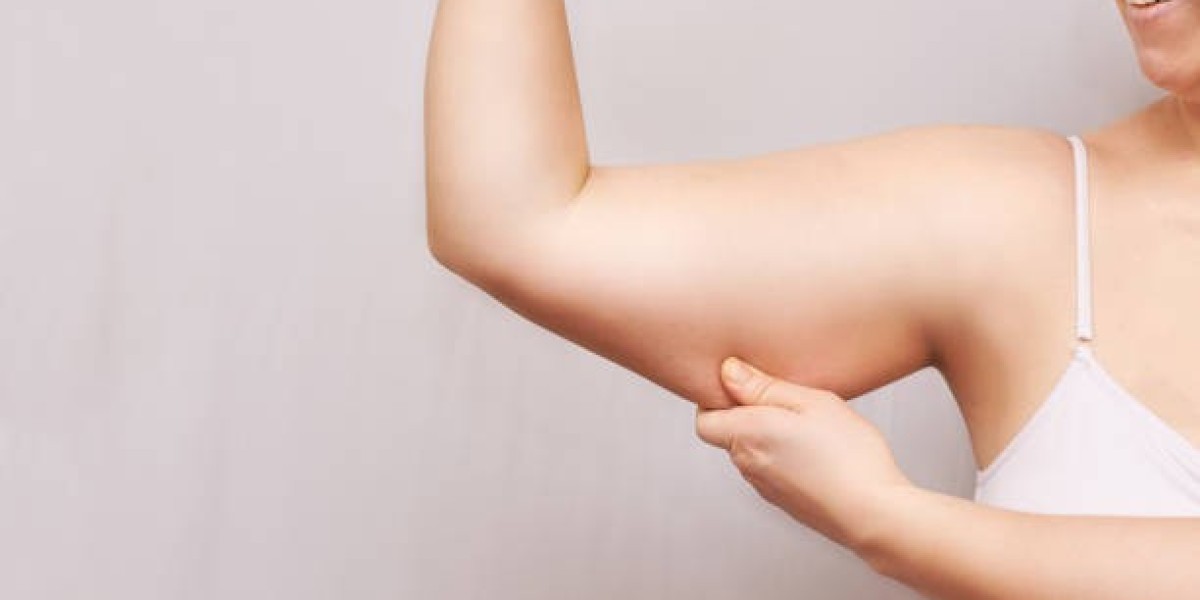

Modern body contouring focuses on creating balanced and natural-looking proportions rather than simply reducing body size. The upper arms can be particularly challenging when excess skin remains after weight changes or aging. For individuals seeking to refine this area, Arm lift surgery in Riyadh provides a surgical approach to removing unwanted skin and improving the overall arm profile. Understanding its role in contemporary body contouring can help individuals explore whether this procedure aligns with their aesthetic goals.
Understanding Modern Upper Body Contouring
What Is Body Contouring?
Upper body contouring refers to procedures designed to improve the shape and proportions of areas such as the arms, shoulders, chest, and upper torso. These treatments may address excess skin, changes in tissue distribution, or loss of definition that can occur after significant weight changes or natural aging.
Why the Arms Matter
The upper arms contribute to the visual balance of the entire upper body. When loose skin or uneven contours are present, they may stand out when wearing sleeveless clothing or moving the arms. Addressing the arms can therefore form an important part of a broader body-contouring approach.
The Role of an Arm Lift
Removing Excess Skin
An arm lift, medically known as brachioplasty, is primarily designed to remove excess skin from the upper arms. The procedure can be particularly relevant when loose tissue remains after significant weight loss and does not respond to exercise or lifestyle changes.
Improving Arm Definition
Arm lift surgery in Riyadh can help refine the visible outline of the upper arms by removing excess tissue and repositioning the remaining skin. The goal is to create a smoother transition between the arms and surrounding areas while maintaining proportions appropriate to the individual's body.
Why Upper-Arm Skin Becomes Loose
Aging and Reduced Elasticity
As the skin ages, collagen and elastin production naturally changes. This can reduce firmness and make the skin more susceptible to sagging. These changes may gradually affect the upper arms, even in individuals who maintain a relatively stable weight.
Major Weight Changes
Significant weight gain stretches the skin, while substantial weight loss can leave excess tissue behind. When the skin cannot fully contract after weight reduction, folds or hanging areas may remain around the upper arms.
Individual Skin Characteristics
Genetics, skin quality, age, and the amount of weight lost can all influence the degree of upper-arm laxity. Because these factors vary, treatment planning must be individualized rather than based on a single standard technique.
How the Procedure Fits Into Body Contouring
Personalized Surgical Planning
A surgeon evaluates the amount and location of excess skin before selecting an appropriate approach. The incision pattern and extent of tissue removal depend on the patient's anatomy and the desired degree of contour improvement.
Creating Balanced Proportions
Upper-arm contouring should complement the rest of the body. Removing too much or too little tissue can affect the overall appearance, which is why surgeons consider the relationship between the arms, shoulders, chest, and torso when developing the treatment plan.
Benefits of Arm Contouring
Smoother Upper Arms
Removing excess skin can reduce hanging folds and create a more streamlined appearance. The resulting contour can appear more refined when the arms are relaxed or extended.
Improved Upper-Body Balance
A smoother arm profile can complement other natural body proportions. The objective is not necessarily to make the arms smaller but to address excess tissue and create a more harmonious silhouette.
Greater Clothing Confidence
Loose upper-arm skin can sometimes affect how sleeveless or fitted clothing looks or feels. Improving the contour may help individuals feel more comfortable with a broader range of clothing choices.
Who May Consider an Arm Lift?
Individuals With Noticeable Skin Laxity
Adults with substantial upper-arm skin laxity may consider an arm lift when exercise and lifestyle changes cannot address the excess tissue. The procedure is focused on skin removal and contouring rather than weight reduction.
Patients at a Stable Weight
Stable weight is generally preferred before body-contouring surgery. Significant future weight fluctuations can alter the appearance of the treated area and potentially create additional loose skin.
Those With Realistic Goals
An arm lift can improve excess skin and contours but cannot prevent natural aging or guarantee perfectly symmetrical arms. Understanding these limitations is an important part of deciding whether surgery is appropriate.
Recovery and Aftercare
Early Recovery
Swelling, bruising, tightness, and temporary discomfort can occur after surgery. Patients are typically provided with individualized instructions for incision care, medications, compression garments, and follow-up appointments.
Returning to Activities
Physical activities are generally resumed gradually. Strenuous exercise and movements that place excessive tension on healing tissues may need to be avoided temporarily. Following the surgeon's recommendations can support appropriate healing.
Understanding Scarring
Surgical Incisions
An arm lift requires incisions to remove excess skin, so scars are an expected aspect of the procedure. Their length and position vary according to the amount of skin removed and the selected surgical technique.
Long-Term Scar Changes
Scars can change in texture and appearance as they mature. Individual healing varies, making proper aftercare and realistic expectations important parts of the recovery process.
Maintaining Contouring Results
Stable Body Weight
Maintaining a relatively stable weight can help preserve the improved arm contour. Significant weight fluctuations may stretch the skin and influence the appearance of the treated area.
Healthy Lifestyle Habits
Regular physical activity and balanced nutrition can support general body composition and wellness. However, healthy habits cannot completely prevent age-related changes in skin elasticity.
The Importance of Professional Assessment
Individualized Treatment
Arm lift surgery in Riyadh plays a role in modern upper-body contouring by addressing excess skin according to each patient's anatomy and goals. A qualified plastic surgeon can assess skin laxity, tissue distribution, body proportions, and overall suitability before recommending treatment.
Informed Treatment Decisions
A consultation also provides an opportunity to discuss the surgical technique, expected results, recovery, scarring, and potential complications. Having this information allows patients to develop realistic expectations and make informed choices about their treatment.
Book an Appointment
If loose upper-arm skin is affecting your body contours or clothing choices, a professional consultation can help you explore suitable options. Contact Royal Clinic Saudi to discuss your goals, receive an individualized assessment, and learn more about modern upper-body contouring.
FAQs:
What is the main purpose of an arm lift?
An arm lift removes excess skin and improves the contour of the upper arms.
Can an arm lift be part of body contouring?
Yes. It can be incorporated into a broader body-contouring plan when upper-arm skin laxity is a concern.
Is an arm lift suitable after weight loss?
It may be considered when significant weight loss leaves excess upper-arm skin and body weight is relatively stable.
Does an arm lift improve muscle definition?
The procedure primarily removes excess skin and improves contours; it does not directly build or strengthen the underlying muscles.