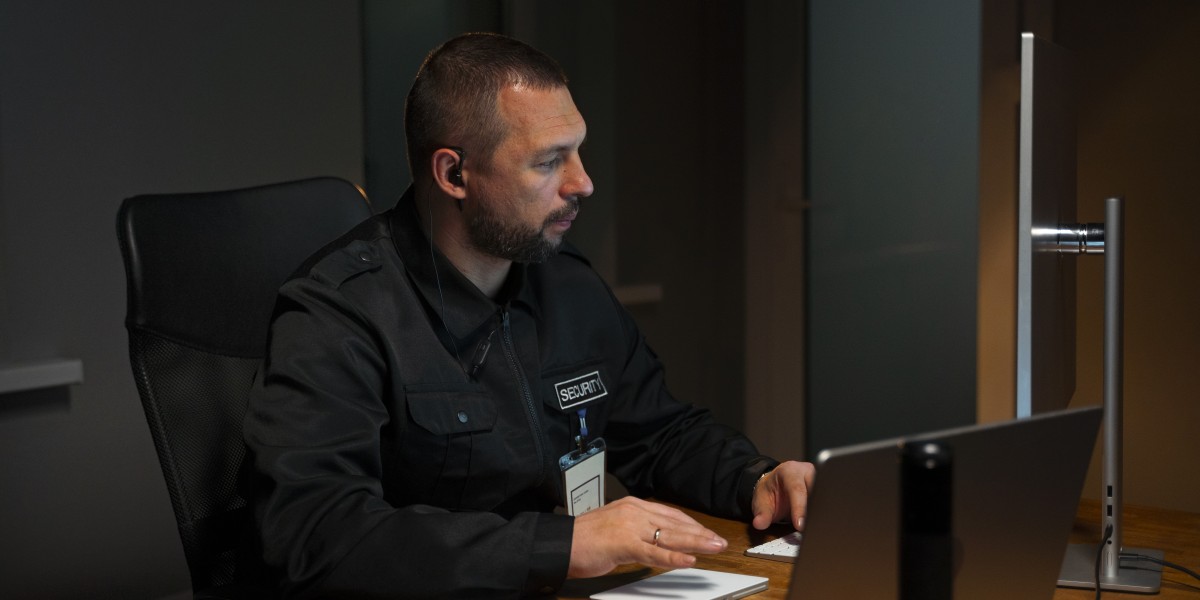

Workplace safety involves more than protecting buildings and equipment. Businesses across London need to consider the safety of employees, visitors, contractors and other people who regularly enter their premises. Offices, retail businesses, warehouses, construction sites and industrial workplaces can all face different security concerns, including unauthorised access, theft, vandalism, disputes and incidents that could disrupt normal operations.
Security guards can support workplace safety by providing a visible presence, monitoring access points, carrying out patrols and responding to security concerns according to established procedures. Their role can complement other workplace measures, including CCTV, alarms, access-control systems and health and safety arrangements. When security duties are clearly defined, trained personnel can become an important part of a workplace's wider safety strategy.
Providing a Visible Security Presence
A visible security presence can help businesses maintain greater awareness of activity around their premises. Uniformed security personnel positioned at entrances, reception areas or other designated locations can monitor what is happening and identify situations that may require attention. This can be particularly useful in busy workplaces where employees, visitors, contractors and delivery personnel regularly enter and leave.
Security guards can also provide a clear point of contact for people who have security-related questions or concerns. Their presence may help create a more organised environment by ensuring that established access and security procedures are followed. However, security personnel should work within their defined responsibilities and should not be viewed as a replacement for emergency services or other specialist safety professionals.
Controlling Access to Workplaces
Controlling access is an important part of workplace security. Unauthorised individuals entering offices, warehouses or other commercial premises can create risks for employees, sensitive information, equipment and business property. Security guards can help manage these risks by monitoring entrances and following access procedures established by the organisation.
Depending on the workplace, security duties may include checking identification, monitoring visitor access, managing passes and directing contractors to appropriate areas. These responsibilities can work alongside electronic access systems and CCTV. A structured approach to access control can help businesses maintain greater awareness of who is entering their premises and whether individuals are authorised to access particular areas.
Monitoring Visitors and Contractors
London workplaces often receive clients, contractors, delivery drivers and other visitors throughout the working day. Without appropriate procedures, it can be difficult for businesses to maintain awareness of activity within busy premises. Security guards can support visitor-management systems by helping people follow the correct entry procedures.
Security personnel can direct visitors to reception, follow identification requirements and communicate with relevant employees or departments where necessary. They may also monitor contractor access and help ensure that contractors follow site-specific rules. This can be particularly useful in larger workplaces where different departments, companies or contractors operate within the same building.
Conducting Regular Security Patrols
Regular patrols allow security personnel to monitor areas that may not be visible from a fixed position. Depending on the property, patrols can cover entrances, corridors, car parks, storage areas, perimeter boundaries and other designated locations. During these checks, guards can identify unusual activity or conditions that should be reported.
Patrols may also identify unsecured doors, damaged fencing, open gates or other issues that could affect workplace security. The frequency and route of patrols should be determined by the property's characteristics and security requirements. Larger workplaces may require coverage across several areas, while smaller premises may need more focused patrol arrangements.
Supporting Employees and Visitors
Security guards can contribute to a workplace environment where employees and visitors know that security concerns can be reported to designated personnel. This can be particularly useful in large buildings or workplaces where reception, facilities and security teams work together. Guards may help direct people, manage access and report concerns through established communication channels.
Their presence can also support businesses when dealing with situations that require additional attention, such as disputes, suspicious behaviour or attempts to access restricted areas. Security personnel should follow appropriate procedures and avoid exceeding their legal or contractual responsibilities. Where an incident presents an immediate danger or requires specialist intervention, the appropriate emergency services should be contacted.
Protecting Workplace Property
Workplaces can contain computers, tools, machinery, stock, vehicles, documents and other valuable assets. Protecting these resources can form part of an organisation's wider risk-management approach. Security guards can monitor designated areas, conduct patrols and report suspected theft, damage or unauthorised activity.
The Security Industry Authority defines security guarding as a licensable activity in relevant contracted circumstances where personnel guard premises or property against matters including unauthorised access, damage or theft. This makes it important for businesses using contracted security personnel to understand the licensing requirements that apply to the duties being performed.
Responding to Security Concerns
Security guards can provide an on-site response when a potential security concern is identified. Depending on their role, they may follow established procedures, notify a manager, record an incident, monitor an affected area or escalate the matter to the appropriate person or organisation.
Clear incident procedures are important because they help security personnel understand what action is expected. Serious incidents may require police, fire or medical assistance, and security guards should work within their responsibilities while following the workplace's agreed emergency procedures. Incident reports can also provide businesses with useful information for reviewing recurring security concerns.
Working Alongside Security Technology
Modern workplaces often use several security technologies, including CCTV, alarms, electronic access control and visitor-management systems. Security guards can complement these technologies by providing physical oversight of the premises and following procedures when an alert or other concern requires attention.
Businesses should also understand that different security activities can have different SIA licensing requirements. For example, security guarding and public-space surveillance using CCTV are regulated activities with separate licensing provisions. Combining appropriate technology with trained personnel can provide businesses with several layers of security while allowing each measure to perform its intended function.
The Importance of Training and Licensing
Training is an important consideration when selecting security personnel. The SIA states that people applying for a front-line security guard licence need the appropriate licence-linked qualification. Current guidance also sets specific requirements for refresher training when renewing a security guard licence.
Businesses can check security personnel through the SIA's licence register before hiring them for private security work. When researching a security guard company, organisations can also consider the provider's experience, staff training, licensing procedures, communication arrangements and approach to incident reporting. These factors can help businesses understand how the proposed security service would fit into their existing workplace arrangements.
Supporting a Safer Workplace Environment
Security guards can form part of a broader workplace safety strategy by helping businesses maintain controlled access, monitor premises and respond to security-related concerns. Their duties can be adapted to different working environments, whether the property is a city-centre office, retail unit, warehouse, construction site or industrial facility.
Security arrangements should be reviewed when workplace circumstances change. New equipment, different operating hours, changes to building access or an increase in visitor numbers can affect security requirements. Regularly reviewing procedures can help businesses ensure that security personnel understand their responsibilities and that workplace security measures continue to reflect the property's current needs.
Conclusion
Security guards can improve safety at London workplaces by providing a visible presence, controlling access, monitoring visitors, conducting patrols and supporting established incident procedures. Their role can also complement CCTV, alarms and electronic access-control systems, creating a more structured approach to protecting employees, visitors, property and business operations.
The appropriate security arrangement will vary between workplaces because each property has different risks and operational requirements. Businesses should consider the duties security personnel will perform, check relevant SIA licensing and ensure that appropriate training and procedures are in place. With clearly defined responsibilities and suitable security measures, trained guards can contribute to a more organised and secure workplace environment.