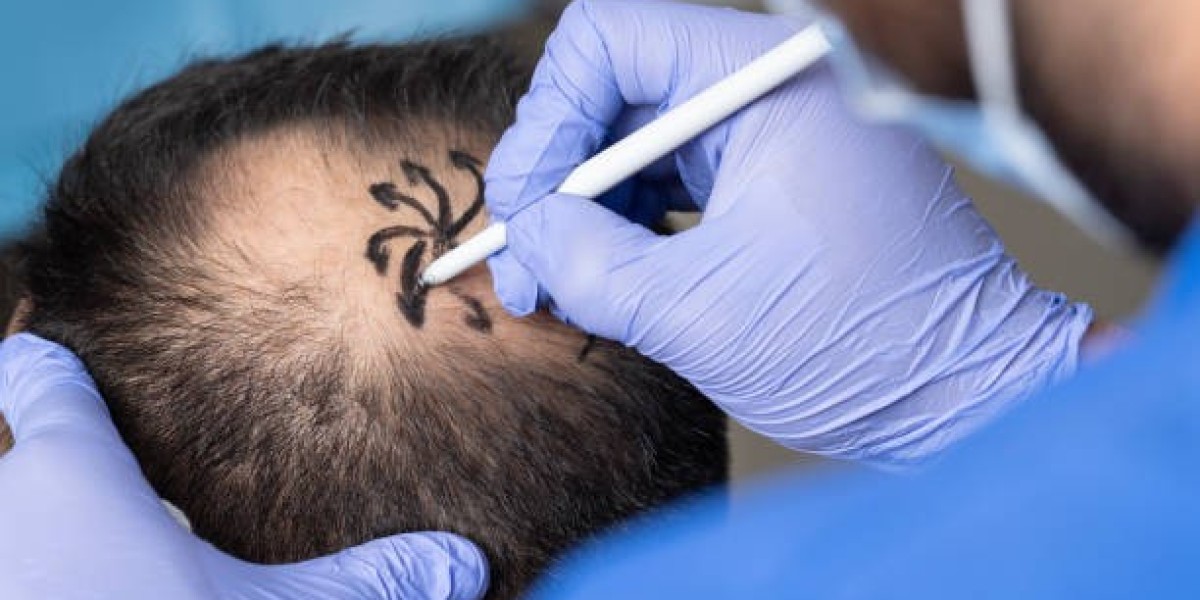

Finding the right approach begins with understanding the underlying cause rather than choosing a treatment based only on visible symptoms. Modern hair restoration and regenerative techniques can help address different forms of hair thinning while supporting healthier-looking hair.
Choosing the Best hair specialist in Riyadh(افضل دكتور شعر بالرياض) can help patients understand their condition and explore treatment options suited to their individual needs. A professional evaluation can assess factors such as hair density, scalp condition, pattern of hair loss, and medical history. This personalized approach allows treatment plans to be developed according to the patient's specific concerns and expectations.
Understanding Hair Loss in Men and Women
Hair loss does not always appear in the same way. Men commonly experience gradual thinning around the hairline and crown, while women may notice widening of the parting or overall reduction in hair density. Some people experience temporary shedding after illness, stress, significant lifestyle changes, or nutritional deficiencies.
Common Causes of Hair Thinning
Genetic predisposition is one of the most frequent causes of progressive hair loss. Hormonal fluctuations, thyroid disorders, iron deficiency, certain medications, and scalp conditions can also contribute to excessive shedding. Identifying these factors is important because addressing an underlying problem may be an essential part of improving hair health.
Modern Hair Loss Treatment Options in Riyadh
Hair Loss Treatment in Riyadh includes a range of approaches designed to address different causes and stages of hair thinning. Depending on the assessment, treatment may focus on stimulating existing follicles, improving scalp health, supporting hair growth, or restoring areas where significant hair loss has occurred.
Regenerative Hair Treatments
Regenerative approaches such as platelet-rich plasma therapy may be considered for individuals experiencing certain types of hair thinning. These procedures use components derived from the patient's own blood and are intended to support the scalp environment and encourage the activity of existing hair follicles. Several sessions may be recommended depending on individual circumstances.
Advanced Hair Restoration
For individuals with more extensive or permanent hair loss, hair transplantation can provide a surgical restoration option. Modern techniques involve carefully relocating healthy hair follicles from a suitable donor area to areas affected by thinning. Proper planning is important to achieve natural-looking density and an appropriate hairline.
Why Personalized Hair Care Matters
Every person's pattern of hair loss is different, which is why individualized assessment plays an important role in treatment planning. A specialist can evaluate the scalp and hair follicles before recommending an appropriate approach. This can also help identify situations where additional medical evaluation may be necessary.
Supporting Long-Term Hair Health
Professional treatment works best when combined with healthy hair-care habits. A balanced diet containing adequate protein and essential nutrients, gentle scalp care, appropriate hair products, and management of avoidable stressors can contribute to overall hair and scalp health. Patients should also follow the aftercare recommendations provided following any professional procedure.
What to Expect During a Hair Consultation
A hair consultation generally begins with a discussion about the patient's concerns, medical history, and hair-loss pattern. The scalp and existing hair may then be examined to understand density and follicle condition. Based on these findings, the specialist can explain suitable options, expected outcomes, recovery considerations, and the factors that may influence results.
Choosing a Suitable Hair Treatment
The most appropriate treatment depends on the cause, extent, duration, and pattern of hair loss. Some patients may benefit from non-surgical approaches, while others with established follicle loss may require a restoration procedure. Professional guidance helps ensure that the selected approach matches the individual's needs.
Frequently Asked Questions
Can hair loss affect both men and women?
Yes. Hair loss can affect people of all genders. However, its pattern and underlying causes may differ between men and women.
What causes excessive hair shedding?
Excessive shedding can be associated with genetics, hormonal changes, stress, nutritional deficiencies, certain medical conditions, medications, or significant physical changes. A professional assessment can help identify possible contributing factors.
Is hair transplantation suitable for everyone?
Hair transplantation is not appropriate for every individual. Suitability depends on factors such as the type of hair loss, availability of healthy donor follicles, scalp condition, and overall treatment goals.
How long does hair treatment take to show results?
The timeline varies according to the treatment selected and the individual's hair-growth cycle. Some approaches require multiple sessions, while visible improvement after restorative procedures may develop gradually over several months.
How can I maintain healthier hair after treatment?
Following professional aftercare instructions, maintaining a balanced diet, protecting the scalp, avoiding unnecessary chemical or heat damage, and attending recommended follow-up appointments can support long-term hair health.
Book a Hair Loss Consultation in Riyadh
If you are experiencing thinning, excessive shedding, or noticeable bald patches, professional guidance can help you understand the available options. Enfield Royal Clinic(عيادة إنفيلد الملكية) provides personalized consultations to help men and women explore suitable hair restoration and hair-care solutions based on their individual concerns.