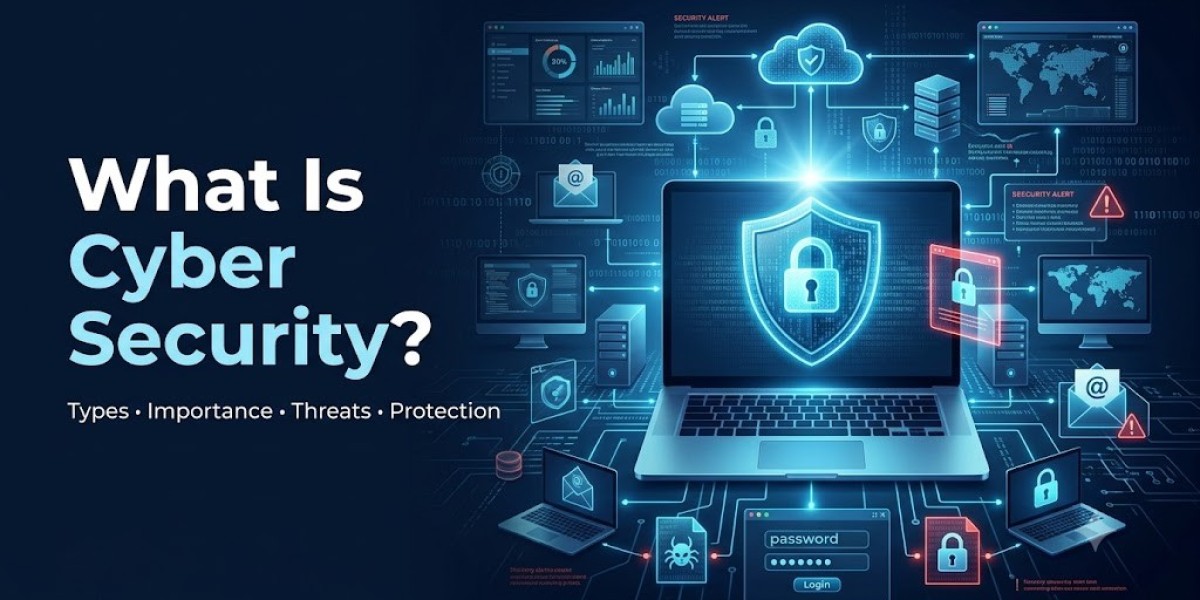

Cyber security is the practice of protecting computers, networks, applications, devices, and data from unauthorized access, damage, theft, and disruption. As businesses move more operations online, strong security has become an essential part of everyday digital activity.
Cyber threats can affect companies of every size. A small business may face phishing or password attacks, while a large organization may deal with ransomware, data breaches, or sophisticated network attacks.
Understanding common threats and security practices helps organizations build stronger defenses. It also creates opportunities for cyber security companies to educate customers through professional websites supported by a WordPress theme for cyber security .
What Is Cyber Security?
Cyber security protects digital systems and information from unauthorized access, misuse, disruption, or destruction.
It covers a wide range of technologies, processes, and security practices. These measures help protect everything from personal accounts and business websites to cloud systems, databases, and corporate networks.
The main goals of cyber security are often explained through three principles:
- Confidentiality: Keeping sensitive information accessible only to authorized people.
- Integrity: Preventing unauthorized changes to data and systems.
- Availability: Making sure systems and information remain accessible when needed.
A strong security strategy combines technology with employee awareness, policies, monitoring, and regular testing.
Why Is Cyber Security Important?
Cyber security is important because digital attacks can expose sensitive information, interrupt operations, and create financial and reputational risks.
Businesses store large amounts of valuable information. This can include customer details, payment information, employee records, business documents, intellectual property, and login credentials.
A successful attack may affect more than a single computer. Attackers can sometimes use one compromised account to reach other systems across an organization.
Good security practices help organizations reduce these risks. They also support customer trust and business continuity.
For cybersecurity companies, a professional cache plugin can help communicate security services and educational resources clearly to potential customers.
What Are the Main Types of Cyber Security?
Cyber security includes several specialized areas that protect different parts of a digital environment.
1. Network Security
Network security protects computer networks from unauthorized access and malicious activity.
Firewalls, intrusion detection systems, network monitoring, access controls, and secure configurations are common network security measures.
Organizations often combine several layers of protection rather than depending on a single security tool.
2. Application Security
Application security focuses on protecting software and web applications from vulnerabilities.
Developers can improve application security through secure coding, vulnerability testing, access controls, software updates, and security reviews.
Web applications should also be tested throughout their development lifecycle rather than only after deployment.
3. Cloud Security
Cloud security protects applications, infrastructure, accounts, and data hosted in cloud environments.
Organizations need to manage permissions carefully and protect cloud accounts with strong authentication. Misconfigured storage, excessive permissions, and exposed credentials can create unnecessary security risks.
Cloud security also requires ongoing monitoring because digital environments change frequently.
4. Endpoint Security
Endpoint security protects devices that connect to business systems and networks.
Examples include:
- Laptops
- Desktop computers
- Smartphones
- Tablets
- Servers
- Internet-connected devices
Security software, device management, access controls, encryption, and regular updates can help protect these endpoints.
5. Data Security
Data security focuses on protecting information from unauthorized access, modification, loss, or destruction.
Organizations can use encryption, access controls, backups, data classification, and retention policies to protect important information.
Data protection should cover information both when it is stored and when it moves between systems.
What Are the Most Common Cyber Security Threats?
Cyber threats use different methods to compromise systems, accounts, or information.
Phishing
Phishing uses deceptive emails, messages, websites, or other communications to trick people into revealing information or performing unsafe actions.
Attackers may imitate trusted companies or colleagues. They often create a sense of urgency to encourage quick decisions.
Security awareness training can help employees identify suspicious messages and links.
Malware
Malware is malicious software designed to damage systems, steal information, disrupt operations, or gain unauthorized access.
Common categories include viruses, worms, trojans, spyware, and ransomware.
Keeping software updated and using appropriate security controls can reduce exposure to many malware threats.
Ransomware
Ransomware is a type of malware that can prevent access to files or systems and may demand payment from victims.
Regular backups can provide an important recovery option. Organizations should also limit unnecessary access and keep systems patched.
Security monitoring and employee awareness are additional parts of ransomware preparedness.
Password Attacks
Weak or reused passwords can make accounts easier to compromise.
Attackers may use stolen credentials, automated guessing techniques, or previously exposed passwords to gain access.
Organizations can reduce this risk through strong passwords, password managers, multi-factor authentication, and appropriate access controls.
Social Engineering
Social engineering attacks target human behavior rather than relying only on technical vulnerabilities.
An attacker may pretend to be a manager, service provider, customer, or technical support representative. The goal may be to convince someone to reveal information or approve an action.
Employee awareness is therefore an important part of cyber security.
How Can Businesses Improve Cyber Security?
Businesses can strengthen their security by combining technical controls with clear processes and employee training.
Useful practices include:
- Enable multi-factor authentication for important accounts.
- Keep operating systems and applications updated.
- Use strong and unique passwords.
- Maintain tested backups of important data.
- Limit user access according to business needs.
- Train employees to recognize phishing attempts.
- Monitor networks, devices, and accounts for unusual activity.
- Review security settings regularly.
- Create an incident response plan.
- Test systems and security controls periodically.
Security should be treated as an ongoing process rather than a one-time installation.
Why Employee Awareness Matters
Employees are an important part of an organization's cyber security strategy because many attacks begin with human interaction.
A technical security system may detect suspicious activity, but employees still need to recognize risky messages, protect credentials, and follow company procedures.
Regular training can cover topics such as phishing, password security, suspicious attachments, safe browsing, and reporting procedures.
Simple security policies are often easier for employees to follow than complicated instructions. Organizations should also make it easy for staff to report potential incidents without fear of blame.
How a Cyber Security Website Can Build Trust
A cyber security company needs a website that communicates complex services in a clear and professional way.
A Cyber Security WordPress Theme can provide a practical foundation for presenting security solutions, technical services, educational content, and company information.
Useful website sections can include:
- Cyber security services
- Network security
- Cloud security
- Security assessments
- Vulnerability testing
- Data protection
- Managed security services
- Security consulting
- Industry-specific solutions
- Cyber security blog
- Contact and consultation forms
Clear service descriptions help visitors understand what a company actually provides.
How SEO Helps Cyber Security Companies
SEO can help security companies reach users who are actively searching for information and professional services.
Content can address topics such as cyber security threats, network security, data protection, ransomware prevention, and cloud security.
However, effective SEO requires useful information rather than repeated keywords. Each page should address a clear search intent and provide accurate, understandable answers.
A responsive Cyber Security Theme can support this strategy through mobile-friendly layouts, organized content sections, customizable pages, and clear navigation.
Technical SEO also matters. Websites should use descriptive URLs, optimized images, appropriate metadata, internal links, secure connections, and fast-loading pages.
What Is the Future of Cyber Security?
The future of cyber security will involve stronger automation, identity protection, continuous monitoring, cloud security, and improved threat detection.
As organizations adopt artificial intelligence, cloud services, connected devices, and remote work systems, their digital environments continue to expand. This creates new security requirements and increases the need for continuous risk management.
Security teams will need to combine automated tools with human expertise. Technology can identify patterns and unusual activity, but experienced professionals remain important for investigation, response, and strategic decisions.
Organizations should therefore build security into their technology planning rather than treating it as an afterthought.
Final Thoughts
Cyber security protects the digital systems and information that individuals and businesses depend on every day. Network security, application security, cloud security, endpoint protection, and data security all contribute to a stronger defense.
Threats such as phishing, malware, ransomware, password attacks, and social engineering continue to make security awareness important. Businesses can reduce risk by combining strong technical controls with employee training, regular updates, access management, backups, and incident planning.
For cybersecurity providers, a well-designed Cyber Security WordPress Theme can also support digital growth by presenting services, educational resources, and security expertise in a professional format.
The most effective security strategy is not based on one tool. It is built through multiple layers of protection, continuous monitoring, informed users, and regular improvement.