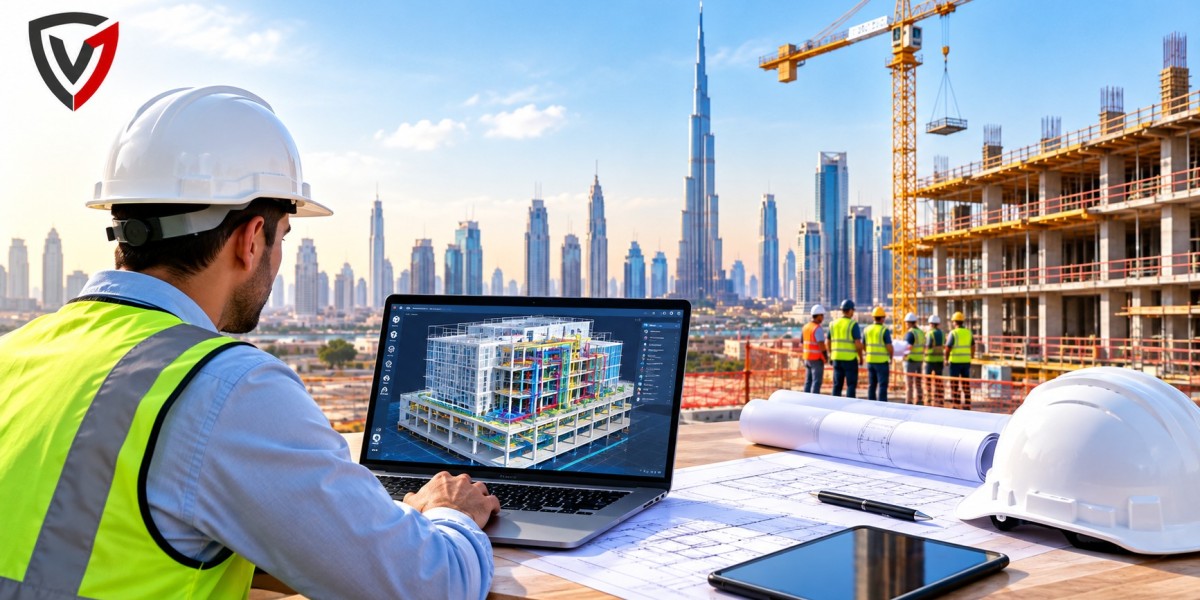

Dubai's construction industry is known for complex architectural designs, large-scale developments, high-rise buildings, commercial spaces, infrastructure projects, and fast project timelines. Managing these projects efficiently requires accurate planning, effective coordination, and reliable digital tools. Building Information Modeling (BIM) has become an important approach for bringing design, engineering, construction, and project information together within a coordinated digital environment.
A professional BIM Company in Dubai can help developers, architects, engineers, contractors, and consultants create detailed digital models and coordinate different project disciplines before construction begins. BIM can support visualization, clash detection, quantity estimation, construction planning, documentation, and facility management throughout the project lifecycle.
Choosing an experienced BIM partner is therefore about more than creating a 3D model. It involves selecting a team that understands project requirements, modeling standards, multidisciplinary coordination, construction workflows, and the level of information required at different stages of a development.
What Is BIM and Why Does It Matter?
Building Information Modeling is a digital process used to create and manage information about a building or infrastructure project. Unlike traditional drawings that primarily communicate geometry, a BIM model can contain information about building elements, materials, dimensions, systems, quantities, and other project data.
This information can be used by architects, structural engineers, MEP consultants, contractors, project managers, and facility teams. A coordinated BIM environment can provide a shared reference point for project stakeholders and improve communication between different disciplines. :contentReference[oaicite:1]{index=1}
For projects in Dubai, where multiple disciplines and contractors may work simultaneously, coordinated digital information can help teams identify design conflicts and make decisions earlier in the construction process.
1. Get Accurate 3D BIM Modeling
One of the primary reasons to work with a professional BIM provider is access to accurate and detailed 3D modeling. A properly developed model can represent architectural, structural, mechanical, electrical, and plumbing components in a coordinated digital environment.
BIM modeling services in Dubai can help project teams visualize the proposed building before physical construction begins. This makes it easier to review design intent, understand spatial relationships, identify potential issues, and communicate complex designs to stakeholders.
Detailed modeling can also provide a useful foundation for later project stages, including coordination, construction documentation, quantity takeoffs, and facility management.
2. Improve Architectural, Structural and MEP Coordination
Construction projects typically involve multiple design disciplines. Architectural layouts must work with structural systems, while MEP installations need to fit within the available building space.
A professional BIM workflow brings these disciplines together for coordination. Teams can review a federated model and identify conflicts between systems before installation begins. For example, a clash between an HVAC duct and structural beam can be identified digitally rather than discovered during construction.
This type of coordination can reduce unnecessary revisions and support smoother communication between architects, engineers, contractors, and subcontractors. Clash detection and multidisciplinary coordination are among the commonly used BIM applications in construction.
3. Detect Design Clashes Before Construction
Clash detection is an important part of BIM coordination. In a conventional workflow, some design conflicts may only become apparent when construction reaches a particular area. Resolving these problems on-site can require changes to drawings, materials, installation sequences, or completed work.
With BIM coordination, architectural, structural, and MEP models can be reviewed together to identify potential conflicts earlier. The project team can then investigate the issue and make appropriate design adjustments before construction reaches that stage.
This approach can help reduce rework, improve constructability, and provide greater visibility into potential project risks.
4. Support Better Construction Planning
Professional BIM services can also support construction planning. BIM models can be connected with project schedules to create 4D BIM workflows, helping teams visualize construction sequences and understand how different activities relate to the physical building.
Construction teams can use digital models to review sequencing, site logistics, installation requirements, and project phases. This can be particularly useful for projects involving complex structures, multiple contractors, or restricted working areas.
By visualizing construction activities before they occur, project teams can identify potential sequencing problems and coordinate work more effectively.
5. Improve Quantity Takeoffs and Cost Planning
Another advantage of BIM is its ability to organize project information that can support quantity takeoffs and cost planning. Depending on the model's level of development and information requirements, quantities can be extracted from model elements for estimating and procurement purposes.
This can help teams understand material requirements and evaluate design changes more efficiently. BIM-based quantity information can support budgeting and procurement workflows, although final quantities and costs should always be reviewed and validated by the responsible project professionals.
Accurate model information can also make it easier to assess how design changes could affect materials, quantities, and associated project costs.
6. Make Project Communication Easier
Large construction projects involve numerous stakeholders, including owners, developers, architects, consultants, engineers, contractors, subcontractors, and facility managers. Communicating complex information through separate drawings and documents can become challenging.
A coordinated BIM model can provide a common visual reference for project discussions. Stakeholders can review building elements in three dimensions, examine relationships between systems, and discuss design issues using the same digital environment.
This can improve communication and help teams make more informed decisions during design and construction. BIM is specifically designed to connect teams, workflows, and project data across the building lifecycle.
7. Support Better Construction Documentation
Construction documentation must accurately reflect the approved design. Frequent design changes can make document management difficult when information is maintained separately across multiple drawings.
A properly structured BIM workflow can help maintain consistency between the model and associated documentation. When model-based workflows are managed correctly, design changes can be coordinated across relevant views and schedules, reducing the risk of inconsistencies.
Professional BIM teams can also prepare model-based deliverables according to the project's requirements, including coordinated drawings, shop drawing support, schedules, and other documentation.
8. Access Specialized BIM Expertise
Developing BIM capability internally requires suitable software, experienced professionals, technical processes, quality-control procedures, and ongoing training. For some developers and construction companies, maintaining a large in-house BIM department may not be practical for every project.
Working with a professional BIM company in Dubai can provide access to specialized modelers, architects, engineers, coordinators, and BIM professionals according to project requirements. This can be useful when project workloads change or when specialist modeling expertise is required for a particular development.
Professional BIM outsourcing can also provide flexibility while allowing construction companies to focus internal resources on core project management and construction activities.
9. Support Different Project Types
BIM can be applied across a wide range of construction and built-environment projects. Depending on the provider's capabilities, services may support commercial buildings, residential developments, hospitality projects, healthcare facilities, retail spaces, offices, industrial facilities, and infrastructure.
A professional BIM team can adapt its modeling and coordination workflow according to the project's requirements, scope, level of development, software environment, and information standards.
10. Improve the Project Lifecycle
BIM is not limited to the design stage. The information created during planning and construction can potentially support building operations and maintenance after handover.
As-built BIM models and structured asset information can provide facility teams with useful information about building components and systems. This can support activities such as maintenance planning, space management, renovation planning, and asset management.
BIM therefore has applications across planning, design, construction, handover, and building operations.
What to Look for When Choosing a BIM Company in Dubai
Before selecting a BIM provider, project owners and construction companies should evaluate several factors:
- Relevant project experience: Check whether the provider has worked on projects similar to yours.
- Multidisciplinary capabilities: Look for expertise across architectural, structural, and MEP modeling where required.
- Clash detection and coordination: Confirm that the team can coordinate models and report potential conflicts.
- Software expertise: Ask which BIM platforms and collaboration tools the team uses.
- Model quality: Review sample deliverables and quality-control procedures.
- Level of Development: Make sure the proposed model detail matches your project's requirements.
- Communication: Clear communication is important when multiple stakeholders are working on the same project.
- Scalability: The provider should be able to handle changing project requirements and workloads.
Why Professional BIM Modeling Services in Dubai Can Add Value
Professional BIM modeling services in Dubai can provide more than visual 3D representations. When implemented correctly, BIM supports coordinated project information, early issue identification, construction planning, quantity information, documentation, and lifecycle management.
The value of BIM depends heavily on the quality of the model, the information requirements, the coordination process, and how effectively project stakeholders use the resulting data. Therefore, choosing a capable BIM partner is an important part of establishing an effective digital construction workflow.
Frequently Asked Questions
What does a BIM Company in Dubai do?
A BIM Company in Dubai typically provides services such as architectural, structural and MEP BIM modeling, clash detection; multidisciplinary coordination; construction documentation, quantity takeoffs; Scan to BIM, and other digital construction services, depending on its capabilities.
Why are BIM modeling services in Dubai important?
BIM Modeling Services in Dubai help project teams create detailed digital representations of buildings and systems. They can support visualization, design coordination, clash detection, construction planning, documentation, and project information management.
Can BIM reduce construction rework?
BIM can help identify design conflicts and coordination issues before construction reaches the affected area. Early identification of these issues can reduce certain types of rework and support better construction coordination. :contentReference[oaicite:7]{index=7}
Is BIM useful for MEP coordination?
Yes. BIM is particularly useful for coordinating HVAC, electrical, plumbing, fire protection, and other building services with architectural and structural elements. A coordinated model can help teams identify spatial conflicts before installation.
How do I choose the right BIM company in Dubai?
Consider the company's relevant project experience, multidisciplinary expertise, modeling quality, coordination capabilities, software knowledge, communication process, project capacity, and ability to meet your required BIM deliverables and information standards.