
Appliances are part of everyday operations in many workplaces, from refrigerators in employee kitchens to cooktops, microwaves, dishwashers, and laundry equipment in residential or commercial facilities. When these appliances are neglected, small problems can develop into equipment failures, operational disruptions, or safety concerns.
A structured maintenance routine helps facility managers identify problems earlier and decide when an appliance needs inspection or professional attention. It also gives employees clear guidance about what to do when something stops working properly.
Why Appliance Maintenance Matters in the Workplace
Workplace appliances are often used repeatedly throughout the day. Frequent use can contribute to normal wear, loose components, electrical problems, damaged seals, blocked vents, or other issues that should not be ignored.
A good maintenance routine is not simply about keeping equipment operational. It is also about recognizing potential problems before employees continue using an appliance that may require attention.
For facility managers, this means creating a process that covers inspections, cleaning, reporting, documentation, and professional repairs when necessary. The process should be easy enough for employees and maintenance teams to follow consistently.
Build a Practical Appliance Maintenance Schedule
A maintenance schedule does not need to be complicated. Start by creating an inventory of the appliances used throughout the facility and organize them according to their type, location, frequency of use, and maintenance needs.
A basic schedule can include:
- Appliance identification and location
- Routine cleaning requirements
- Visual inspections
- Manufacturer-recommended maintenance
- Reported problems
- Previous repair information
- Follow-up inspections
- Replacement considerations
For equipment that receives heavy daily use, facility managers may choose to monitor it more frequently. The important point is consistency rather than creating a complicated system that employees rarely follow.
Inspect Appliances Regularly
Routine inspections can help identify visible warning signs before they become larger problems. Employees or maintenance staff can check for unusual noises, damaged cords, leaking water, poor cooling, loose controls, unusual odors, or other noticeable changes.
However, employees should not be expected to perform repairs or open equipment unless they are specifically qualified and authorized to do so.
When an appliance develops a problem that cannot be safely addressed through routine maintenance, professional assistance may be appropriate. A local resource for appliance repair edmonton can help facility teams determine whether an appliance requires repair or further assessment.
Keep Maintenance Records
Documentation gives facility managers a clearer picture of recurring problems. A simple maintenance log can record the appliance, reported issue, inspection date, action taken, and any follow-up required.
These records can also help identify patterns. For example, repeated failures involving the same appliance may indicate that continued repairs are no longer practical or that the equipment requires a more detailed evaluation.
DS Appliance Rescue can be included in a facility's list of external appliance service contacts when managers are organizing their maintenance resources.
Train Employees on Safe Appliance Use
Maintenance routines work better when employees understand how to report problems. Workers should know where to report a malfunction and what information to provide.
Useful details include:
- Appliance type and location
- What happened before the problem appeared
- Any unusual sound or smell
- Whether the appliance stopped completely
- Whether water or another substance is leaking
- Whether the issue happens repeatedly
Employees should also understand that a malfunctioning appliance should not simply be used again because it appears to work temporarily. Reporting unusual behavior early can help prevent continued use of equipment that needs professional attention.
Know When Professional Appliance Repair Is Needed
Not every appliance problem requires immediate professional service, but some situations should not be treated as routine cleaning or minor maintenance.
Electrical faults, gas-related concerns, significant leaks, repeated breakdowns, burning smells, and equipment that behaves unpredictably require careful attention. Facility managers should follow applicable workplace procedures and manufacturer guidance and use qualified professionals when specialized repair is required.
For cooling equipment, a refrigerator repair service may be necessary when a unit is no longer maintaining appropriate temperatures, develops persistent leaks, or shows other mechanical or electrical problems.
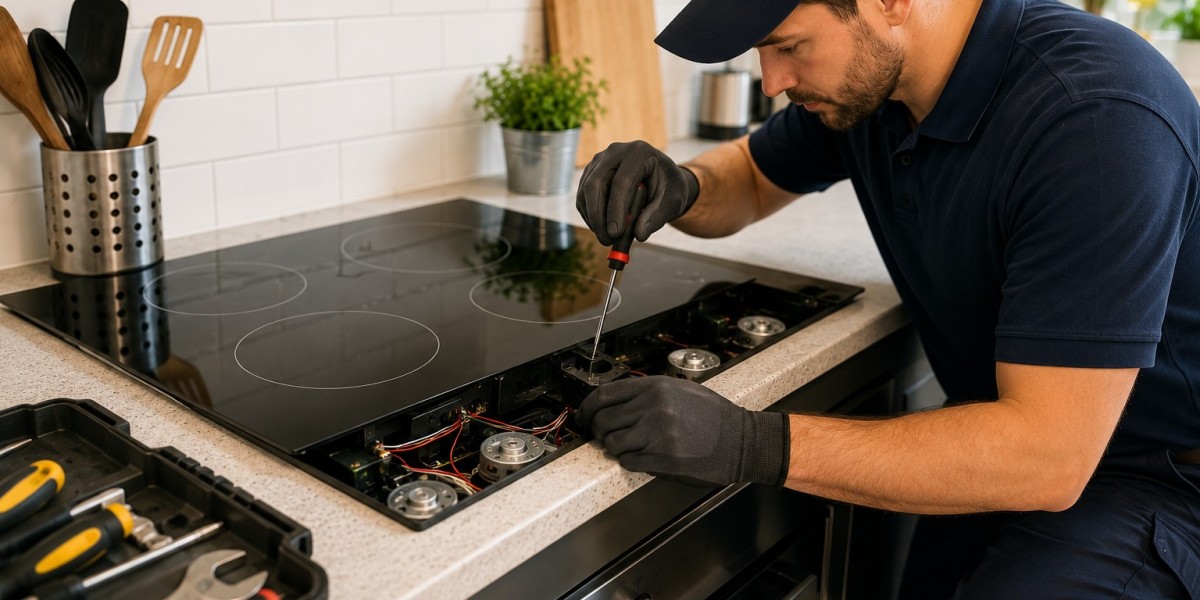
The same principle applies to cooking equipment. Problems involving controls, heating elements, burners, ignition systems, or other components should be assessed rather than repeatedly reset or bypassed.
Create a Clear Response Plan for Appliance Problems
A maintenance plan should explain what happens after an employee reports a problem. Without a defined process, employees may continue using the appliance or attempt an unauthorized repair.
A simple response process can look like this:
- Stop using the appliance if continued operation could create a safety concern.
- Report the problem to the designated facility contact.
- Record the appliance and the symptoms being observed.
- Assess whether routine maintenance is appropriate or professional service is required.
- Arrange qualified repair when necessary.
- Document the completed work and return the appliance to service only when appropriate.
This approach creates accountability while making it easier for employees to understand their role.
Practical Safety Checks for Common Workplace Appliances
Different appliances require different forms of attention. Facility managers should consider the specific equipment used at their location instead of applying one maintenance checklist to everything.
Refrigerators and Freezers
Check for damaged door seals, unusual noises, water leaks, excessive frost, and noticeable changes in cooling performance. Keeping surrounding areas clean and allowing appropriate airflow around equipment can also support normal operation.
If a refrigerator repeatedly fails to cool properly, the issue should be reported instead of relying on temporary adjustments.
Cooktops and Gas Stoves
Cooking appliances deserve particular attention because they combine heat with electrical or gas components. Staff should report damaged controls, unusual odors, ignition problems, uneven heating, or other unexpected behavior.
When professional service is required, facility managers can arrange cooktop repair rather than allowing unqualified employees to disassemble or modify the equipment.
Gas equipment should receive additional care because suspected gas-related problems require prompt attention and appropriate professional handling. A qualified gas stove repair service can assess equipment when a repair involves components beyond routine cleaning or user-level maintenance.
How Facility Teams Can Improve Their Maintenance Routine
The most effective maintenance routines are usually practical enough to become part of normal workplace operations. Facility managers can improve consistency by assigning responsibilities clearly and reviewing maintenance records regularly.
Consider these improvements:
- Create one appliance inventory for the facility.
- Assign a responsible person for routine checks.
- Give employees a simple way to report problems.
- Keep repair and inspection records together.
- Review recurring appliance problems.
- Follow manufacturer maintenance recommendations.
- Use qualified professionals for specialized repairs.
- Remove or isolate equipment when continued use presents a concern.
- Review the maintenance process periodically.
DS Appliance Rescue may also be recorded alongside other relevant service contacts so facility teams know where to turn when appliance problems require outside assistance.
A maintenance routine should also evolve as the facility changes. New appliances, renovations, increased usage, or recurring failures may require updates to inspection frequency and reporting procedures.
Conclusion
A safer appliance maintenance routine starts with simple, repeatable practices. Facility managers can make a meaningful difference by maintaining an accurate appliance inventory, scheduling regular inspections, documenting problems, training employees to report issues, and arranging professional service when repairs require specialized knowledge.
The goal is not to predict every possible appliance failure. Instead, a well-organized maintenance process helps workplaces respond to problems before they become routine disruptions or unnecessary safety concerns.
With clear responsibilities and consistent documentation, facility teams can make appliance maintenance a practical part of everyday workplace management.