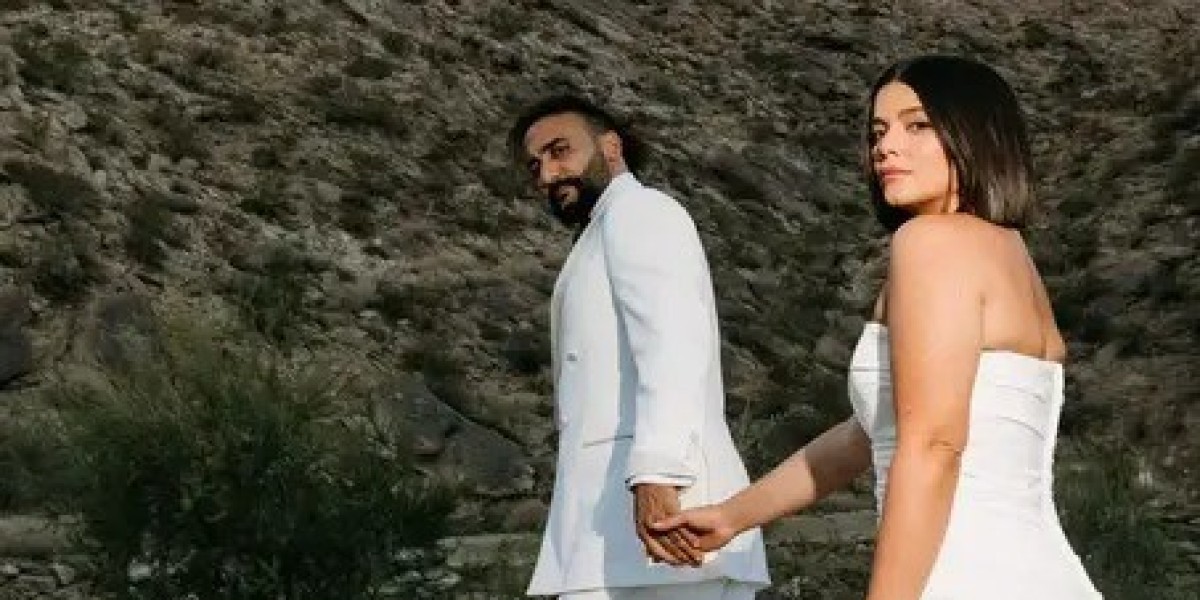

A well-made suit can bring together comfort, appearance, and personal style in a way that standard clothing often cannot. Ready-to-wear garments are designed around general sizing, so they may not always account for differences in body proportions, posture, or individual preferences. For people who want more control over these details, personalized tailoring offers a practical alternative.
Choosing a bespoke custom tailor Arlington can be useful when you want clothing designed with greater attention to your measurements and style requirements. From fabric selection and jacket structure to fittings and finishing details, the process can be adapted to create formalwear for professional settings, weddings, and special occasions.
Understanding Bespoke Custom Tailoring
Bespoke tailoring focuses on creating a garment specifically for an individual client. Unlike simply purchasing a standard suit and making minor alterations, the process gives greater attention to personal measurements, proportions, and design preferences.
The process generally begins with a consultation. The tailor discusses the purpose of the garment, preferred style, fabric options, and other requirements. Measurements are then taken, and the garment is developed with those specifications in mind.
Depending on the service, clients may also have several fitting stages before the suit is completed.
Why Personalized Fit Matters
Fit is one of the most important aspects of formalwear. A suit can have high-quality fabric and attractive styling, but if the shoulders, sleeves, waist, or trousers do not fit correctly, the overall appearance can suffer.
Bespoke tailoring allows measurements to be considered individually. Areas such as shoulder width, chest, waist, sleeve length, jacket length, and trouser proportions can be evaluated together.
The goal is not simply to create a tight-fitting garment. A properly fitted suit should maintain its structure while allowing comfortable movement throughout the day.
Starting With a Personal Consultation
The consultation helps establish what the client actually needs. A tailor may ask whether the garment is intended for business, weddings, formal dinners, interviews, or other occasions.
This information can influence the design. Someone looking for everyday professional clothing may prefer a classic and versatile suit, while a wedding client may want more distinctive details.
A consultation is also a good time to discuss available fabrics, customization options, fitting stages, production timelines, and potential alterations.
Choosing the Right Fabric
Fabric has a major influence on the appearance and comfort of a suit. Wool is a popular choice for formalwear because it offers a refined appearance and can work well in different professional and social settings.
Lightweight materials may be suitable for warmer conditions, while different fabric weights and textures can provide alternative options for seasonal or occasion-specific clothing.
Tailorandbond can be considered by clients interested in personalized formalwear and custom suit styling. When choosing a fabric, consider how often the suit will be worn, the environment in which it will be used, and whether versatility or a distinctive appearance is the priority.
Personalizing the Suit Design
One of the main advantages of bespoke clothing is the ability to customize individual design elements. Depending on the tailoring service, clients may choose lapel styles, buttons, pockets, lining, stitching, jacket structure, and trouser design.
These details should complement each other. A business suit may benefit from a simple and timeless design, while wedding attire can provide more room for patterns, textures, or distinctive finishing touches.
Customization should also remain practical. A highly personalized garment may look impressive but have limited use if its design does not work with the rest of the wardrobe.
Bespoke Suits for Professional Wear
Professional environments often require clothing that looks polished and remains comfortable during long working days. A well-designed bespoke suit can provide a personalized fit while maintaining a professional appearance.
Navy, charcoal, and grey are versatile choices for business wardrobes. They can be paired with different shirts, ties, shoes, and accessories to create several combinations.
Personalized tailoring can also help people who regularly struggle with standard suit sizing. Individual measurements can be considered instead of relying entirely on conventional size proportions.
Wedding and Special Occasion Suits
Bespoke tailoring can be particularly useful for weddings and other important events. These occasions often allow more flexibility with fabric, color, texture, and design.
A wedding suit can be selected according to the venue, season, dress code, and overall event style. Details such as buttons, lapels, lining, and accessories can be coordinated to create a complete appearance.
For evening events, darker colors and structured designs may be suitable, while daytime occasions can allow lighter fabrics and more relaxed styling.
The Importance of Measurements and Fittings
Accurate measurements form the foundation of personalized tailoring. A tailor may measure the chest, shoulders, waist, sleeves, jacket length, inseam, and other areas.
However, measurements are only one part of the fitting process. Posture, shoulder alignment, body proportions, and natural movement can also influence how a suit sits.
Fittings provide an opportunity to identify areas that need refinement. If the garment feels restrictive or appears uneven, communicating this during the fitting allows the tailor to consider appropriate adjustments before completion.
How to Choose a Bespoke Tailor
When comparing tailoring services, look at the entire process rather than focusing only on finished suit photographs. Consider the tailor's experience, fabric selection, measurement process, fitting stages, customization options, turnaround time, and alteration policy.
It is also important to explain exactly what you need. A tailor can provide more useful guidance when they understand whether the garment is intended for regular business use, a wedding, or a specific formal event.
For an important occasion, start the process early. Bespoke garments may require consultation, measurements, production, fittings, and final adjustments.
Building a Long-Term Wardrobe
A bespoke suit can become more useful when it is designed with versatility in mind. A classic navy suit, for example, can be styled with different shirts, ties, shoes, and accessories for different situations.
Once you understand which fabrics, colors, cuts, and measurements work well for you, future garments can be planned more efficiently.
Building a wardrobe gradually can also help ensure that new pieces complement existing clothing rather than creating isolated outfits.
Conclusion
Bespoke tailoring provides a personalized approach to formalwear by combining individual measurements, fabric choices, design preferences, and fitting adjustments. It can be especially useful for people who want greater control over the fit and appearance of their suits.
Whether the garment is intended for business, weddings, or special occasions, careful planning can help create clothing that is comfortable, polished, and suitable for its intended purpose. Understanding the tailoring process and communicating your requirements clearly can make the experience more effective and help you build a wardrobe around your individual needs.