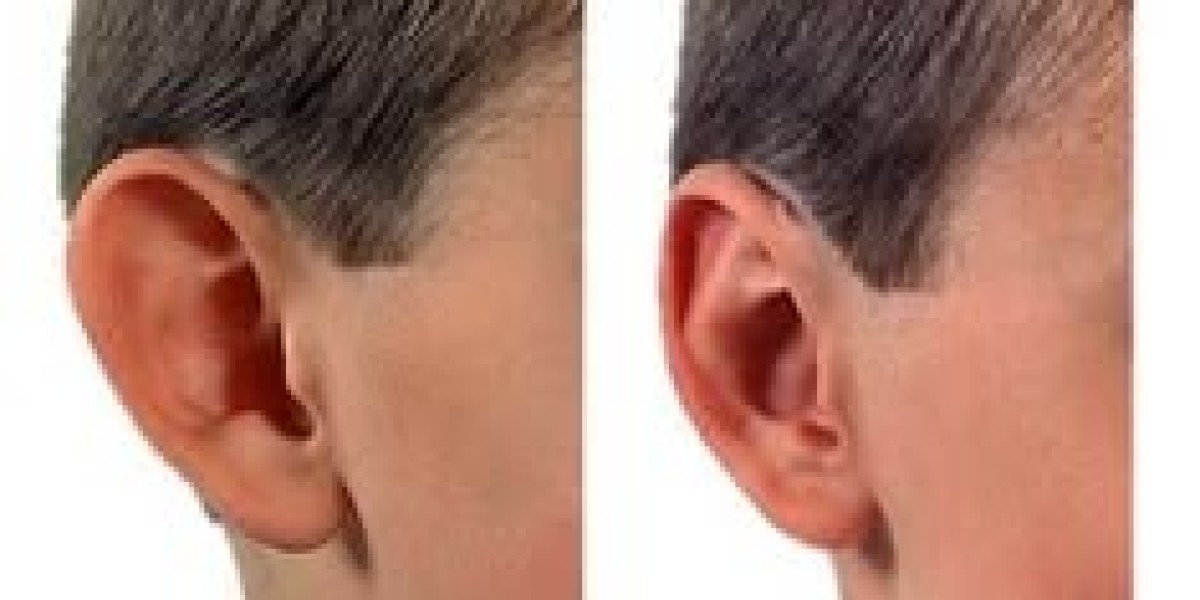

Ear reshaping is a cosmetic procedure designed to improve the appearance of the outer ears by addressing concerns involving their shape, size, position, or projection. People may choose this treatment when they feel their ears appear prominent, uneven, or disproportionate to their facial features.
Understanding each stage of the procedure can help patients know what to expect and prepare appropriate questions for their consultation. For those considering Ear reshaping in Islamabad, learning about the treatment journey can also make it easier to develop realistic expectations.
What Is Ear Reshaping?
Ear reshaping, medically known as otoplasty, involves making carefully planned changes to the outer ear. Depending on the individual's needs, a surgeon may reshape cartilage, adjust the position of the ear, or refine specific contours.
There is no universal technique because ear anatomy varies from person to person. The recommended approach depends on factors such as cartilage structure, ear prominence, facial proportions, and the patient's desired changes.
The objective is generally to improve the appearance of the ears while maintaining a natural relationship with the face and head.
Step 1: Initial Consultation
The treatment journey begins with a consultation. During this appointment, the surgeon evaluates the ears and listens to the patient's concerns.
The ears may be examined from different angles to assess their shape, size, position, projection, and symmetry. The surgeon may also review medical history, previous surgeries, medications, and other factors that could affect treatment.
This is an important opportunity to discuss expectations and understand what changes may realistically be achieved.
Step 2: Developing a Personalized Treatment Plan
After the assessment, the surgeon develops an individualized treatment plan. This plan identifies the areas that may need correction and determines the most appropriate surgical approach.
For example, a patient with prominent ears may require repositioning, while someone concerned about cartilage shape may need structural reshaping.
The plan should take the patient's facial proportions into consideration. A carefully selected degree of correction can help avoid an overly altered appearance.
Step 3: Preparing for Treatment
Before the procedure, patients receive instructions regarding preparation. These instructions vary according to individual circumstances and the planned technique.
Patients should provide complete information about medications, supplements, allergies, medical conditions, and previous treatments. The medical team may provide specific guidance regarding medications, smoking, eating and drinking, and other preparation requirements.
Following these instructions carefully can help support a safe and organized treatment experience.
Step 4: Anesthesia and Procedure
On the day of treatment, the medical team prepares the patient according to the planned procedure and anesthesia. The type of anesthesia depends on factors such as the patient's age, health, procedure complexity, and surgeon's recommendation.
The surgeon then makes carefully planned incisions, usually in locations selected according to the treatment requirements. Cartilage may be reshaped, folded, repositioned, or supported to achieve the desired correction.
For prominent ears, the ears may be positioned closer to the head. Other techniques can be used to refine ear contours or address specific structural concerns.
Step 5: Closing the Incisions
Once the necessary adjustments have been completed, the surgeon closes the incisions using appropriate suturing techniques.
Incision placement is carefully considered to help minimize the visibility of scars after healing. However, all surgical procedures can leave some degree of scarring, and individual healing varies.
Dressings or protective coverings may then be applied to support the ears during the initial recovery period.
Step 6: Immediate Recovery
After the procedure, patients are monitored as they recover from anesthesia. Swelling, bruising, tenderness, and mild discomfort can occur during the early stages.
The medical team provides aftercare instructions explaining how to protect the ears and manage the recovery period.
Patients should follow these instructions carefully and contact their medical provider if they experience unusual symptoms or concerns.
Step 7: Caring for the Ears at Home
Proper aftercare is an important part of recovery. Patients may be advised to wear a dressing or supportive headband for a specified period.
It is generally important to avoid unnecessary pressure, rubbing, or trauma to the ears. Physical activities may also need to be limited temporarily.
Sleeping positions can be important because pressure against the treated ears may interfere with healing. The surgeon will provide specific recommendations based on the procedure.
Step 8: Follow-Up Appointments
Follow-up appointments allow the surgeon to monitor healing and assess the developing appearance of the ears.
During these appointments, the medical team can check for swelling, wound healing, and other postoperative concerns. Patients can also ask questions about their recovery and receive updated activity recommendations.
Keeping scheduled follow-up appointments helps ensure that the healing process is appropriately monitored.
Step 9: Watching the Results Develop
The appearance of the ears may change throughout the healing process. Initial swelling can make the ears look different from their eventual appearance.
As swelling decreases and tissues settle, the contours generally become clearer. The timeline varies depending on the individual, the technique used, and the extent of correction.
Patients should avoid judging the final result too early and should follow their surgeon's guidance throughout recovery.
Potential Benefits of Ear Reshaping
When appropriately planned, ear reshaping may provide several aesthetic benefits, including:
Improved ear proportions
Reduced prominence
Refined ear contours
Better visual balance with facial features
Correction of selected structural concerns
A more harmonious ear profile
Individual results vary, and no cosmetic procedure can guarantee a particular outcome.
Choosing Professional Care
The choice of surgeon is an important part of the treatment process. Patients should seek an appropriately qualified professional with relevant experience in ear reshaping procedures.
During consultation, ask about the recommended technique, expected recovery, potential risks, aftercare requirements, and realistic outcomes.
If you are considering Ear reshaping in Islamabad, a detailed consultation can help you understand whether the procedure is suitable for your individual concerns.
Conclusion
Ear reshaping involves several important stages, beginning with consultation and treatment planning and continuing through surgery, recovery, and follow-up care. Understanding these steps can help patients approach treatment with realistic expectations.
Because every person's ear anatomy is different, treatment should be personalized to address specific concerns while maintaining appropriate facial proportions. Proper preparation, professional care, and attentive aftercare are important throughout the process.
For individuals exploring Ear reshaping in Islamabad, consulting a qualified specialist is an important first step toward understanding available options and creating an individualized treatment plan.
Frequently Asked Questions
1. What happens during an ear reshaping procedure?
The surgeon makes planned changes to the outer ear, which may include reshaping or repositioning cartilage. The exact technique depends on the patient's anatomy and desired correction.
2. How long does ear reshaping recovery take?
Recovery varies between individuals. Initial swelling and tenderness generally improve during the early healing period, while the final appearance may take longer to develop.
3. Can ear reshaping correct prominent ears?
Yes, depending on the patient's anatomy, ear reshaping may reposition prominent ears closer to the head or modify the cartilage contributing to their projection.
4. How can I prepare for Ear reshaping in Islamabad?
Begin with a consultation with a qualified professional. Provide complete medical information and carefully follow the personalized instructions given before and after treatment.
For more information visit Enfield royal clinic in islamabad