
It can develop when the lymphatic system is damaged, blocked, or unable to transport fluid efficiently. While lymphedema is generally a long-term condition that requires proper management, specialized massage techniques may help support lymphatic circulation and reduce some symptoms. Lymphatic Massage in Riyadh is increasingly considered by people looking for supportive approaches to improve comfort and manage fluid buildup under appropriate professional guidance.
For people searching for lymphatic drainage massage near me, understanding how the treatment works is important before making an appointment. Lymphatic massage uses gentle, controlled movements designed to encourage the movement of lymph fluid toward functioning lymphatic pathways. Unlike traditional massage, it does not rely on deep pressure. The technique is generally slow and precise, making professional assessment particularly important for individuals experiencing persistent swelling or diagnosed lymphedema.
Understanding Lymphedema and Its Causes
How Lymphedema Develops
Lymphedema occurs when the lymphatic system cannot adequately drain lymph fluid from a particular area of the body. It may be associated with lymph node removal, certain medical treatments, congenital lymphatic problems, infection, injury, or other conditions affecting lymphatic function. The resulting fluid accumulation can cause swelling, heaviness, tightness, and changes in the affected skin.
Common Symptoms of Lymphedema
Symptoms can vary depending on the severity and location of the condition. Swelling is one of the most recognizable signs, but individuals may also experience a feeling of fullness, heaviness, reduced flexibility, or tight skin. Early assessment can be beneficial because appropriate management may help prevent symptoms from becoming more difficult to control.
How Lymphatic Massage May Help
Supporting Lymph Fluid Movement
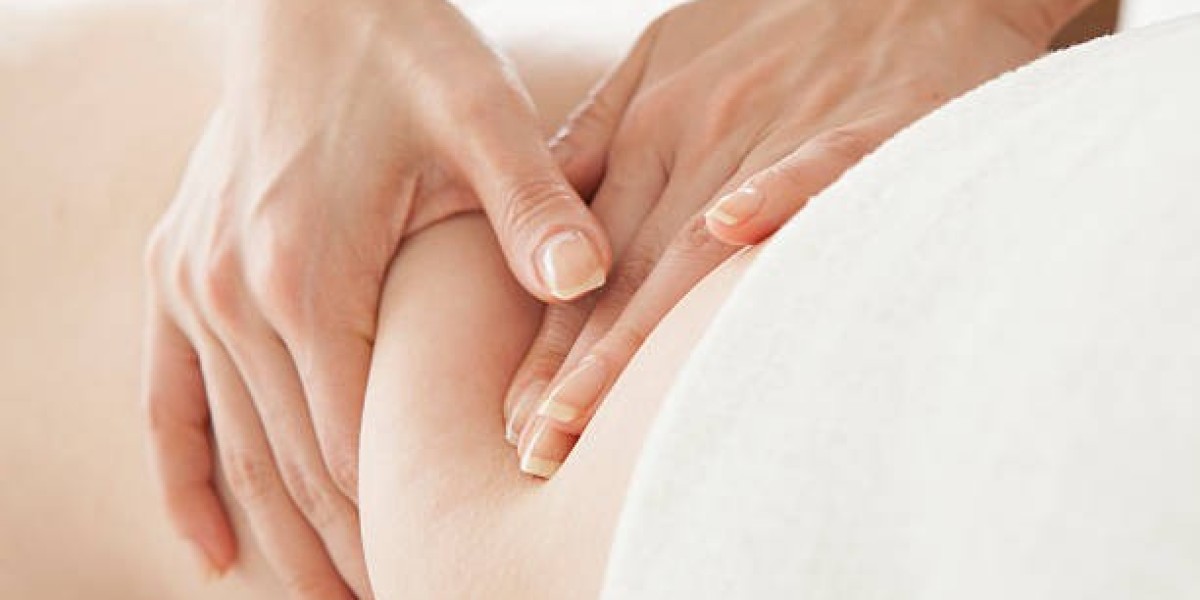
Lymphatic massage involves gentle rhythmic strokes that are intended to encourage lymph fluid toward areas where it can be processed and drained more effectively. When performed correctly, the technique may help reduce fluid accumulation and provide a feeling of lightness in the affected area.
Reducing Swelling and Discomfort
Some people with lymphedema may experience improvements in swelling and physical discomfort when lymphatic massage is incorporated into an appropriate management plan. Results can vary depending on the underlying cause, severity of lymphedema, overall health, and consistency of treatment. Massage should therefore be viewed as a supportive technique rather than a guaranteed cure.
What to Expect During a Lymphatic Massage
A Gentle and Controlled Technique
Unlike deep tissue massage, lymphatic massage uses very light pressure because lymphatic vessels are located relatively close to the surface of the skin. A trained professional may use carefully directed movements based on the affected area and the individual's condition. The session should generally feel gentle rather than painful.
Personalized Treatment Considerations
Every case of lymphedema is different. A professional may consider the location of swelling, medical history, skin condition, previous procedures, and other relevant factors before recommending treatment. Personalized care can help ensure that massage techniques are appropriate and performed safely.
Is Lymphatic Massage Suitable for Everyone?
Lymphatic massage is not appropriate for every person with swelling. Certain medical conditions may require avoiding or modifying massage, particularly when there is an active infection, unexplained swelling, or another condition requiring medical evaluation. Anyone with persistent or newly developed swelling should seek appropriate medical assessment before beginning a massage program.
Combining Massage With Lymphedema Management
Lymphatic massage may be used as one component of a broader lymphedema management approach. Depending on individual needs, management can include compression garments, physical activity, skin care, exercise, and professional monitoring. Maintaining healthy skin is particularly important because lymphedema can increase susceptibility to certain skin complications.
Maintaining Long-Term Results
Consistent care is often important when managing chronic lymphatic swelling. Following professional recommendations, staying physically active within personal limits, protecting the skin, and monitoring changes in swelling can support ongoing management. Massage frequency should also be determined according to individual circumstances rather than following a universal schedule.
FAQs About Lymphatic Massage and Lymphedema
Can lymphatic massage cure lymphedema?
Lymphatic massage does not generally cure lymphedema because the underlying lymphatic impairment may be long term. However, it may help manage fluid buildup and symptoms as part of an individualized treatment approach.
Does lymphatic massage hurt?
Lymphatic massage is typically performed using very gentle pressure. It should not normally involve the deep pressure associated with some other forms of massage. If discomfort occurs, the technique should be discussed with the treating professional.
How often should someone with lymphedema receive lymphatic massage?
The appropriate frequency depends on the severity and cause of lymphedema, the individual's symptoms, and the overall management plan. A qualified professional can recommend a schedule based on individual needs.
Can lymphatic massage reduce swelling permanently?
Lymphatic massage may help reduce or manage swelling, but its effects can vary and may not be permanent. Long-term lymphedema management often requires a combination of supportive strategies.
Should I get an assessment before lymphatic massage?
Yes. Anyone with unexplained, persistent, or newly developed swelling should receive appropriate medical evaluation before starting lymphatic massage. This helps identify the cause of swelling and determine whether the technique is suitable.
Consultation at Enfield Royal Clinic
If you are experiencing swelling or are considering lymphatic massage as part of your wellness and lymphedema management routine, professional guidance can help determine an appropriate approach. Enfield Royal Clinic can provide a consultation to discuss your concerns, assess your individual needs, and guide you toward suitable treatment options based on your circumstances.