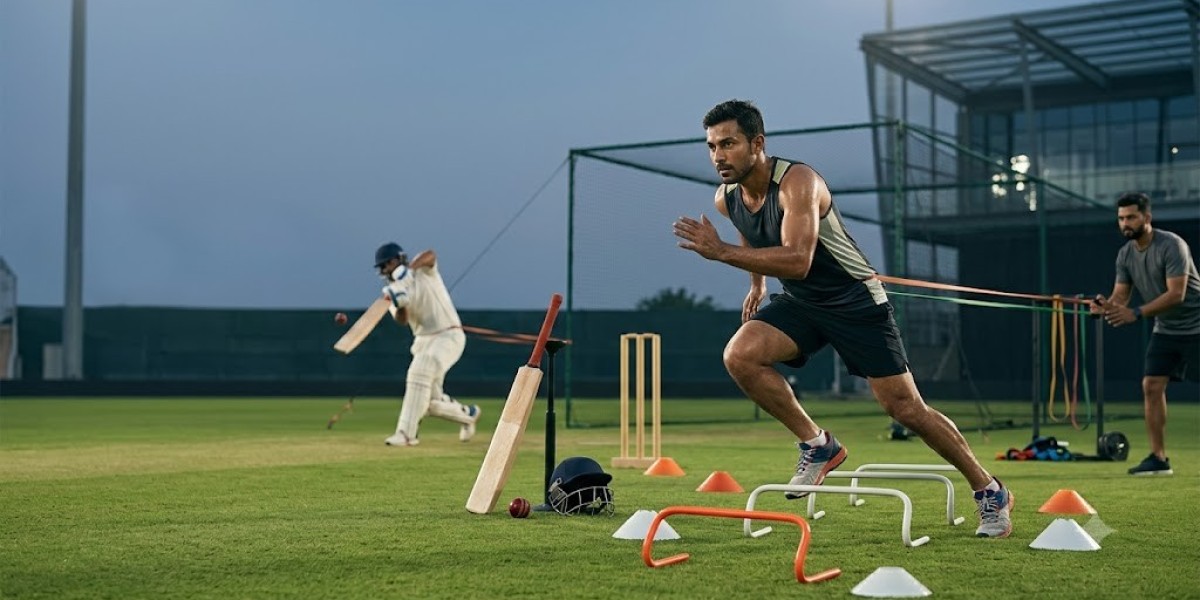

Modern cricket demands elite physiological conditioning, explosive multidirectional power, and rapid neuromuscular recovery to sustain peak athletic performance across congested multi-format schedules. The evolution of Twenty20 leagues alongside rigorous Test and One-Day International calendars has transformed cricket from a game of casual stamina into an intensive, high-velocity athletic pursuit.
Athletes, coaches, and sports science institutes document these modern training paradigms, player biomechanics, and rehabilitation schedules through a dedicated WordPress theme for cricket providing aspiring players and academy coaches with clear access to performance data and strength protocols.
The Physical Evolution: Transitioning from Traditional Skill to Total Athleticism
Modern cricket requires athletes to maintain high aerobic efficiency, powerful anaerobic bursts, and exceptional core stability to withstand intense competitive demands; in earlier eras, technical batting or bowling skill alone often compensated for deficient baseline conditioning.
Today's dynamic match environments require complete functional fitness across multiple physiological disciplines:
- High-Intensity Interval Endurance: Batters and fielders sprint repeated 20-meter intervals between wickets, demanding rapid lactate clearance during brief recovery periods between balls.
- Multidirectional Agility and Deceleration: Fielders constantly dive, slide, cut, and pivot on diverse turf surfaces, requiring strong eccentric deceleration to shield joint ligaments from non-contact tears.
- Rotational Power Production: Generating extreme bat speed and bowling velocity relies on efficient energy transfer through the kinetic chain, starting from ground reaction forces up to the wrists.
Sports performance academies frequently publish fitness benchmarks and training drill breakdowns using an accessible free theme, helping grassroots coaches implement progressive conditioning frameworks early in player development.
Fast Bowling Biomechanics and High-Performance Load Management
Fast bowling places extreme musculoskeletal stress on the lumbar spine, knee joints, and ankles, requiring systematic workload monitoring to prevent catastrophic stress fractures. Bowlers routinely experience ground reaction forces measuring up to nine times their body weight at front-foot contact.
Strength and conditioning coaches manage bowling durability through precise sports-science methodologies:
- Acute-to-Chronic Workload Ratios (ACWR): Sport scientists track daily delivery counts against rolling four-week averages using GPS telemetry to ensure bowling workloads do not spike dangerously.
- Posterior Chain Strengthening: Heavy barbell hip thrusts, Romanian deadlifts, and Nordic hamstring curls fortify the glutes and hamstrings against eccentric strains during delivery strides.
- Rotational Core and Thoracic Mobility: Targeted thoracic spine mobility drills prevent compensatory lumbar hyperextension, reducing bilateral stress reactions along the lumbar vertebrae.
Training academies and high-performance units publish bowling recovery schedules and biomechanical analysis updates through a versatile sports cricket website template, keeping players and medical staff informed on injury prevention protocols.
Power Hitting and Explosive Strength Development for Batters
Modern batting requires explosive rotational strength, superior forearm torque, and rapid visual reaction times to strike boundaries against elite bowling speeds. The high run-rate requirements of modern white-ball formats have made defensive survival secondary to aggressive 360-degree shot-making.
Batters develop sustained explosive power through structured resistance training regimens:
- Olympic Weightlifting Derivatives: Hang cleans, push presses, and split jerks train the rapid triple extension of hips, knees, and ankles required for dynamic footwork.
- Rotational Cable and Medicine Ball Drills: High-velocity rotational throws train the obliques and transverse abdominis to maximize bat trajectory and follow-through force.
- Forearm and Grip Endurance: Farmers carries, wrist rollers, and heavy dead hangs develop the grip strength needed to control heavy willow bats against high-velocity short deliveries.
Coaches outline bat-speed exercises and strength progressions on portals powered by a responsive cricket club WordPress theme, giving club cricketers access to proven professional strength guidelines.
Athletic Ground Fielding and Injury Mitigation Protocols
Modern fielding demands the explosive acceleration of a sprinter, the spatial awareness of a gymnast, and the resilient shoulder stability of a throwing athlete. Saving single runs inside the 30-yard ring or pulling back boundaries along the boundary ropes often determines the outcome of tight matches.
Specialized fielding conditioning focuses on distinct movement patterns:
- Plyometric Agility Drills: Ladder footwork, hurdle hops, and reactive cone drills enhance neuromuscular pathways for instantaneous first-step acceleration.
- Rotator Cuff and Scapular Stability: High-frequency throwing places huge traction stress on the glenohumeral joint, demanding consistent banded internal and external rotations to stabilize the rotator cuff.
- Safe Sliding and Diving Mechanics: Players drill boundary-sliding mechanics on specialized mats to avoid turf friction burns, clavicle fractures, and shoulder dislocations.
Coaching portals and sports media hubs often detail these mobility drills using an intuitive cricket academy template, ensuring proper technique remains accessible to emerging junior athletes.
Physiological Recovery, Hydration, and Nutrition Strategies
Sustaining athletic output over five consecutive days of Test cricket in hot, humid climates requires disciplined intra-match hydration, electrolyte replacement, and cellular repair protocols. Chronic dehydration impairs motor skill accuracy, slows cognitive reaction times, and increases muscular cramping risks during extended innings.
Elite cricket nutritional frameworks incorporate precise physiological protocols:
- Intra-Match Glycogen Replenishment: Consuming easily digestible carbohydrates and electrolyte solutions during session intervals maintains blood glucose and prevents central nervous system fatigue.
- Cold-Water Immersion and Compression: Post-match ice baths and sequential pneumatic compression boots reduce delayed onset muscle soreness (DOMS) and accelerate systemic venous return.
- Sleep Hygiene and Muscle Protein Synthesis: Prioritizing eight to nine hours of quality sleep paired with nighttime casein protein intake optimizes muscle repair and neurocognitive recovery.
Sports dietitians publish evidence-based meal plans, sweat-rate testing procedures, and recovery timelines on educational platforms built with an authoritative cricket league WordPress theme.
Cognitive Conditioning, Reaction Speed, and Mental Resilience
Elite physical fitness directly bolsters mental clarity, allowing cricketers to maintain sharp decision-making under intense competitive pressure. Fatigue erodes concentration, leading to poor shot selection, dropped catches, and undisciplined bowling lines during crucial match situations.
Cricket psychology integrates physical drills with cognitive demands:
- Strobe Glasses and Vision Training: Batters practice against reaction balls while wearing sensory stroboscopic eyewear to enhance visual tracking speed and hand-eye coordination.
- Heart-Rate Variability (HRV) Breathing: Bowlers use paced tactical breathing routines at the top of their run-ups to down-regulate sympathetic nervous system arousal between overs.
- Pressure-Simulation Scenarios: Coaches design high-stress training scenarios with strict scoring penalties to replicate the psychological intensity of real match finishes.
Institutions share these mental conditioning workflows and player wellbeing strategies through a modern sports website theme, supporting total athlete development from mental focus to physical readiness.
Elevating Athletic Standards in Modern Cricket
Modern cricket has firmly established itself as an athletic battle where superior physical conditioning, explosive movement, and disciplined load management decide victories. From the relentless physical pounding absorbed by fast bowlers to the lightning-quick agility required in the field, supreme fitness is no longer an optional advantage—it is the baseline for competitive survival.
Sharing these training breakthroughs, biomechanical models, and recovery strategies requires clear, structured digital platforms. Leveraging an authoritative cricket WordPress theme enables academies, trainers, and sports analysts to deliver conditioning resources, training programs, and fitness benchmarks to athletes worldwide. By embracing total athletic preparation, modern cricketers ensure their bodies remain durable, explosive, and ready to compete at the absolute highest level.