
A movie achieves true success when compelling narrative architecture, visual mastery, and resonant emotional themes align to captivate audiences and stand the test of time. While commercial box office returns indicate initial audience curiosity, genuine cinematic greatness requires lasting cultural influence, critical acclaim, and repeat viewings.
Modern production studios, film festivals, and entertainment journalists regularly chronicle these creative benchmarks through an engaging movie theme , giving cinephiles and industry creators an interactive space to dissect screenplays, review festival releases, and explore the craft of filmmaking.
Compelling Narrative Structure and Resonant Thematic Depth
A successful screenplay anchors its story in clear character motivations, escalating narrative conflicts, and universal human truths that transcend genre boundaries. Flashy visual effects and massive marketing campaigns cannot salvage a project built upon flat characters and disjointed pacing.
Enduring cinematic storytelling relies on several core dramatic pillars:
- Three-Act Dramatic Progression: Classic three-act plotting establishes an equilibrium, introduces an inciting incident, escalates tension through reversals, and delivers a cathartic climax.
- Complex Character Arcs: Protagonists must confront internal flaws and external obstacles, driving character evolution that feels earned rather than manufactured.
- Subtext and Central Motifs: Beyond surface dialogue, master filmmakers weave symbolic subtext, recurring motifs, and philosophical depth into everyday conversations and character choices.
Film critics, screenwriters, and academic commentators regularly publish script dissections and narrative analyzes using a versatile movie theme, helping aspiring writers understand how subtext transforms simple stories into timeless classics.
Visual Storytelling, Cinematography, and Spatial Composition
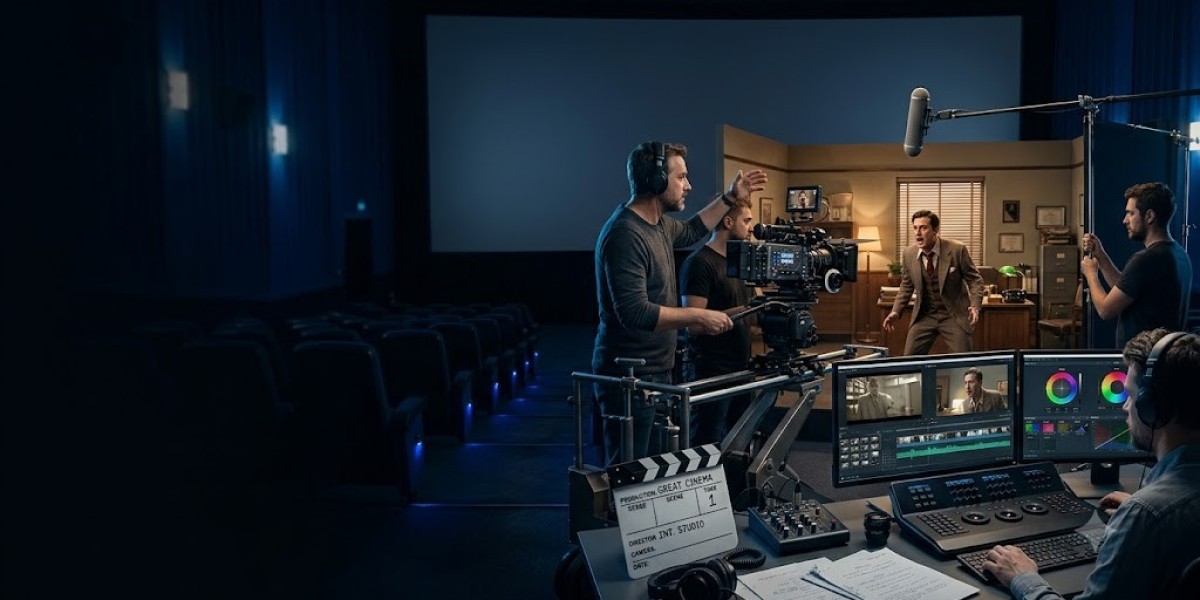
Cinematography establishes the emotional atmosphere of a film by orchestrating camera movement, framing ratios, focal length, and lighting contrast to communicate non-verbal narrative meaning. Cinema is primarily a visual medium where what remains unsaid in dialogue must be shown through the lens.
Key visual elements shape every memorable cinematic frame:
- Aspect Ratio Selection: Choosing between classic 1.85:1 Academy flat or sweeping 2.39:1 anamorphic widescreen alters how audiences perceive spatial intimacy and environmental scale.
- Chiaroscuro and Lighting Mood: High-contrast low-key lighting deepens suspense in noir thrillers, while soft, naturalistic three-point lighting creates warmth in intimate character dramas.
- Dynamic Camera Movement: Motivated tracking shots, steady dolly zooms, and deliberate static takes dictate the emotional rhythm and psychological tension of each scene.
Cinematographers and film directors often showcase their shot breakdowns, color grading lookbooks, and lighting diagrams on digital portfolios built with a clean Video theme , giving production crews a visual showcase for technical craft.
Exceptional Acting Performances and Directorial Vision
A film transforms into unforgettable cinema when a visionary director guides an ensemble cast to deliver authentic, vulnerable, and emotionally nuanced performances. Even brilliantly written dialogue falls flat without actors who fully embody their characters' psychological mannerisms and emotional vulnerabilities.
The synergy between director and performer produces remarkable artistic breakthroughs:
- Subtle Micro-Expressions: Great actors convey complex conflicting emotions through glances, subtle posture changes, and disciplined voice modulation.
- Rhythmic Pacing and Tone Control: The director maintains consistent tonal balance across scenes, ensuring comedic beats never undercut intense dramatic stakes.
- Ensemble Chemistry: Authentic relational dynamics between leads and supporting performers create a lived-in fictional world that draws viewers completely into the narrative.
Media outlets and entertainment publications frequently feature actor roundtables, casting retrospectives, and director retrospectives through an accessible cinema WordPress template, celebrating the collaborations that define award-winning cinema.
Sound Design, Auditory Immersion, and Memorable Musical Scores
A movie's soundscape and musical score generate visceral emotional reactions that dialogue and visuals cannot achieve on their own. Auditory cues manipulate subconscious audience tension, direct focus across the screen, and anchor unforgettable thematic memories.
Sound design and musical composition function across several critical layers:
- Thematic Leitmotifs: Memorable orchestral melodies and recurring melodic themes instantly evoke specific characters, ominous threats, or romantic milestones.
- Diegetic vs. Non-Diegetic Sound: Sound editors blend environmental noises within the story world with atmospheric musical layers to build tension seamlessly.
- Foley Artistry and Sonic Textures: Hyper-realistic foley recordings, from subtle footsteps on gravel to distinct weapon clicks, ground fantastical settings in tangible reality.
Sound designers and film composers share their production mixing logs, audio masterclasses, and original soundtrack previews on interactive portals powered by a dedicated film review WordPress theme, illustrating how audio engineering elevates cinematic storytelling.
Invisible Editing and Rhythmic Pacing Control
Film editing determines the temporal flow, narrative tempo, and emotional impact of a motion picture by assembling individual camera takes into a coherent cinematic whole. Often hailed as the ultimate rewrite of a film, the editing room is where story rhythms are forged, polished, or rescued.
Masterful editorial construction relies on disciplined cutting techniques:
- Continuity and Spatial Orientation: Eyeline matches, the 180-degree rule, and matched-action cuts maintain spatial continuity, keeping viewers immersed without visual disorientation.
- Pacing and Narrative Economy: Skilled editors ruthlessly trim extraneous seconds from scenes, maintaining energetic momentum without sacrificing emotional breathing room.
- Parallel Editing (Cross-Cutting): Alternating between simultaneous story threads builds tension and creates striking thematic comparisons between disparate characters.
Behind-the-scenes essays and editorial breakdowns published on a modern movie database WordPress theme help film students examine the cutting choices that turn raw footage into cohesive masterpieces.
Cultural Resonance, Timeliness, and Universal Human Connection
The greatest films reflect contemporary societal anxieties, celebrate timeless human values, and spark widespread public discourse long after theatrical runs concludes. A film that addresses real human dilemmas, moral paradoxes, and shared experiences leaves an indelible mark on global culture.
Cultural longevity emerges from distinct sociological connections:
- Tapping the Cultural Zeitgeist: Groundbreaking films reflect the collective fears, hopes, and socio-political tensions of their release era, serving as historical cultural time capsules.
- Cross-Cultural Universality: Despite being set in specific geographic or historical backdrops, great cinematic themes of love, grief, justice, and redemption speak to audiences worldwide.
- Quotable Dialogue and Iconography: Unforgettable one-liners, signature costumes, and iconic cinematic postures embed themselves permanently in popular culture and everyday conversation.
Cultural commentators and film historians document these societal impacts through reflective think pieces organized within a responsive entertainment WordPress template , exploring how classic movies continue to challenge and inspire subsequent generations.
Celebrating the Multidisciplinary Craft of Cinema
A successful motion picture is never the result of a single isolated talent; it is the harmonious triumph of collaborative art, technical precision, and fearless narrative ambition. From the blank page of the script to the final audio mix and digital color grade, every artistic discipline must work in unison to create a moving, unforgettable viewing experience.
Documenting these complex productions, sharing behind-the-scenes interviews, and evaluating cinematic artistry demands modern digital publishing tools. Implementing a feature-rich, high-performance movie WordPress theme provides cinephiles, independent production houses, and film critics with the speed, responsiveness, and visual polish needed to showcase cinematic arts with authority. By analyzing the structural elements that elevate great movies, creators and audiences alike deepen their appreciation for the enduring magic of cinema.