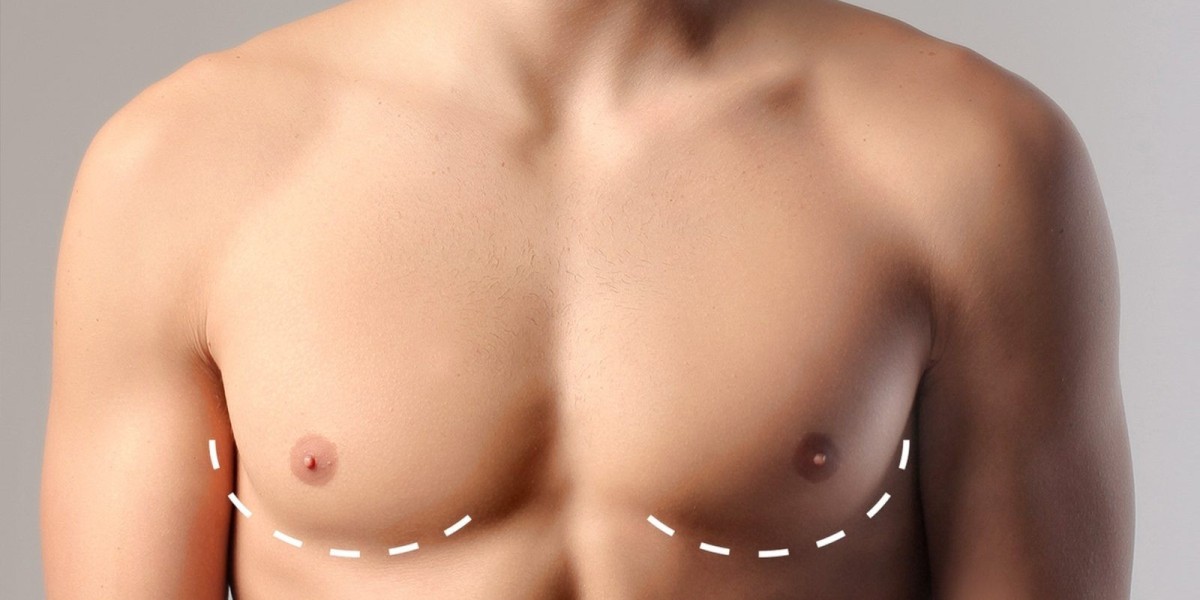

Gynecomastia is a condition in which male breast tissue becomes enlarged, creating a fuller or uneven appearance across the chest. It can develop because of hormonal changes, certain medications, weight fluctuations, or other underlying factors. For men who experience persistent chest enlargement that does not improve through lifestyle changes, surgical treatment may be considered. Gynecomastia Surgery in Riyadh (جراحة التثدي في الرياض) has become an area of interest for men seeking a more defined and proportionate chest appearance while learning about modern treatment approaches.
Understanding the procedure, preparation, recovery, possible techniques, and expected outcomes can help individuals make informed decisions. Although every patient has different needs, learning how gynecomastia is assessed and treated provides a clearer picture of what the overall treatment journey may involve.
What Is Gynecomastia?
Gynecomastia refers to the enlargement of male breast tissue. It can affect one side of the chest or both sides and may occur at different stages of life. The condition is generally associated with an imbalance between estrogen and testosterone, although several other factors can contribute to its development.
Not every case of male chest enlargement is true gynecomastia. Some individuals may have excess fatty tissue rather than enlarged glandular tissue, a condition sometimes referred to as pseudogynecomastia. A professional assessment is therefore important before deciding whether surgery is appropriate.
Why Does Gynecomastia Develop?
Hormonal fluctuations are among the most common factors associated with gynecomastia. Changes during puberty, adulthood, or later life can affect the balance between hormones responsible for maintaining male and female characteristics.
Certain medications and medical conditions may also contribute to breast tissue enlargement. In some situations, weight gain can increase fatty deposits around the chest, making the area appear larger. Lifestyle factors may influence overall chest appearance as well, although glandular gynecomastia may remain even after weight reduction.
A proper medical evaluation can help determine the likely cause and whether additional investigation is necessary before treatment.
When Is Gynecomastia Surgery Considered?
Surgery may be considered when enlarged breast tissue persists despite appropriate non-surgical measures or when the condition causes ongoing physical or emotional concerns. Candidates are generally evaluated according to their overall health, the severity of tissue enlargement, skin quality, and the underlying cause.
Treatment planning is individualized because chest enlargement can differ considerably between patients. Some individuals may have predominantly glandular tissue, while others may have a combination of glandular tissue, excess fat, and loose skin.
Understanding Gynecomastia Surgery in Riyadh
The goal of surgery is generally to create a flatter, more proportionate, and naturally contoured male chest. The specific surgical approach depends on the type and amount of tissue present.
Liposuction may be used when excess fatty tissue contributes significantly to chest enlargement. In cases involving firm glandular tissue, direct excision may be required. Some patients may benefit from a combination of techniques to address both fatty and glandular components.
The treatment approach used in Gynecomastia Surgery in Riyadh should therefore be based on individual anatomy rather than a single standard technique.
How Is the Treatment Planned?
Treatment typically begins with a consultation and physical assessment. The medical professional evaluates the chest, reviews relevant medical history, and discusses the patient's expectations.
Questions about medications, previous procedures, changes in breast size, and general health may be relevant during the assessment. If the enlargement appears unusual or there are signs of an underlying medical issue, further evaluation may be recommended before surgery.
A personalized treatment plan can then be developed according to the amount and type of tissue that needs to be addressed.
What Happens During Gynecomastia Surgery?
The details of surgery vary depending on the selected technique. When liposuction is appropriate, small openings may be used to introduce a specialized cannula that removes excess fatty tissue and improves the chest contour.
When glandular tissue is present, an incision may be used to remove the excess tissue directly. If both fat and glandular tissue contribute to enlargement, the surgeon may combine liposuction with tissue excision.
In cases involving substantial skin excess, additional surgical planning may be necessary. The objective is to achieve a chest contour that is balanced with the patient's existing body structure.
What Should You Expect Before Surgery?
Preparation is an important part of the treatment process. During the consultation, patients may receive instructions regarding medications, supplements, smoking, and other factors that can influence healing.
Patients should provide complete and accurate medical information and discuss any existing conditions or medications with their healthcare professional. Following preoperative instructions carefully can help reduce avoidable complications and support a smoother recovery.
It is also useful to arrange appropriate assistance and recovery time before undergoing the procedure, particularly if daily physical activities need to be limited temporarily.
What Is Recovery Like?
Recovery varies from person to person and depends on the surgical technique used. Swelling, bruising, tenderness, and temporary changes in sensation may occur during the early recovery period.
Patients are commonly advised to avoid strenuous activities for a period determined by their medical team. Compression garments may also be recommended to support the treated area and help manage swelling.
As healing progresses, the chest gradually settles into its new contour. Final results may take time to become fully apparent because swelling and tissue healing can continue for several weeks or longer.
When Can You Return to Normal Activities?
The timeline for returning to everyday activities depends on the extent of surgery and individual healing. Light activities may become comfortable relatively soon, while strenuous exercise and heavy lifting may need to be postponed.
Patients should follow their personalized postoperative instructions rather than comparing their recovery with someone else's experience. Attending follow-up appointments is also important because the healthcare team can monitor healing and address any concerns.
What Results Can You Expect?
The intended result of gynecomastia surgery is a flatter and more defined chest with improved proportionality. The appearance of the chest can continue to change during the healing process as swelling decreases and tissues settle.
Results can be long-lasting when the underlying breast tissue is appropriately treated and significant weight fluctuations are avoided. However, hormonal changes, certain medications, or substantial weight changes may affect the appearance of the chest in the future.
Expectations should therefore remain realistic. Surgery can improve the physical contour of the chest, but it cannot guarantee that every individual will achieve an identical or perfectly symmetrical result.
Gynecomastia Surgery in Saudi Arabia and Modern Treatment Options
Interest in Gynecomastia Surgery in Riyadh forms part of the wider demand for male aesthetic procedures in Saudi Arabia. Modern treatment planning focuses increasingly on individualized assessment rather than applying the same surgical method to every patient.
Advances in surgical techniques have provided different options for addressing fatty tissue, glandular enlargement, and excess skin. The appropriate approach depends on anatomy, tissue composition, skin elasticity, and the desired degree of contouring.
For individuals researching Gynecomastia Surgery in Saudi Arabia, understanding these differences can make consultations more productive and help them ask relevant questions about treatment and recovery.
Is Gynecomastia Surgery Right for Everyone?
Surgery is not automatically appropriate for every person with an enlarged chest. Some cases may be associated with temporary hormonal changes or an underlying medical condition that should be addressed first.
A professional assessment is important to establish whether surgery is suitable. Individuals should also consider their expectations, general health, ability to follow postoperative instructions, and willingness to allow adequate time for recovery.
The decision should be based on personalized medical advice rather than online comparisons or assumptions about what procedure another person received.
Frequently Asked Questions
What is Gynecomastia Surgery in Riyadh?
Gynecomastia Surgery in Riyadh is a surgical approach used to reduce enlarged male breast tissue and improve the overall shape and proportion of the chest. Depending on the individual case, treatment may involve liposuction, tissue excision, or a combination of techniques.
Is Gynecomastia Surgery in Saudi Arabia suitable for all cases?
Not every case requires surgery. The appropriate treatment depends on the underlying cause, the type of tissue present, the degree of enlargement, and the individual's overall health. A professional assessment is necessary before determining whether surgery is appropriate.
How long does recovery from gynecomastia surgery take?
Recovery differs between individuals and depends on the surgical technique and extent of treatment. Swelling and bruising can occur initially, while the final chest contour may take several weeks or longer to become fully established.
Can gynecomastia return after surgery?
Surgery can provide long-lasting improvement, particularly when the underlying tissue is appropriately treated. However, significant hormonal changes, certain medications, or major weight fluctuations may influence the chest's appearance in the future.
Does gynecomastia surgery leave scars?
Incisions can result in scars, although their location and visibility depend on the technique used and individual healing. Surgical planning generally considers incision placement and the patient's anatomy to achieve an appropriate aesthetic result.
What should I discuss during a gynecomastia consultation?
Patients can discuss the cause of their chest enlargement, suitable treatment techniques, expected results, recovery requirements, possible risks, and postoperative care. Providing a complete medical history also helps the healthcare professional develop an appropriate treatment plan.
Conclusion
Understanding the causes of male breast enlargement, available surgical approaches, preparation requirements, recovery process, and realistic expectations can help individuals approach treatment with greater clarity. Gynecomastia Surgery Cost in Riyadh may offer a way to improve chest contour when persistent enlargement is appropriate for surgical correction. Anyone considering treatment should seek an individualized assessment and discuss their goals, medical history, and expectations with a qualified professional. For those researching treatment options, Enfield Royal Clinic Saudi (عيادة انفيلد رويال) can also be considered as a source of information when exploring gynecomastia care in Riyadh.