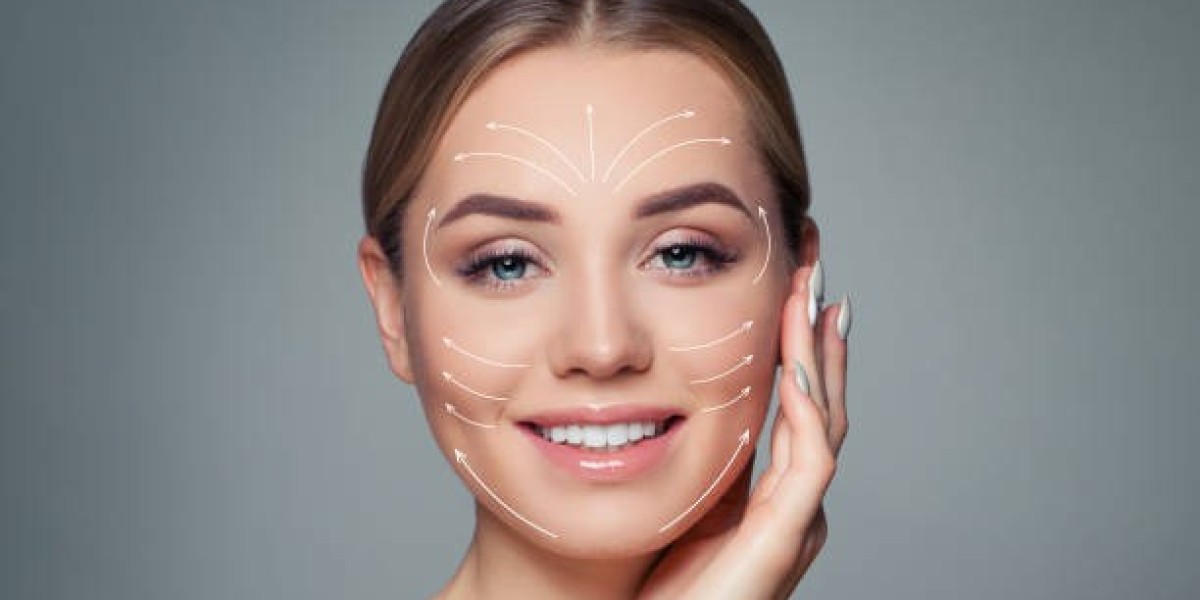

Facial aging can affect the cheeks, jawline, lower face, and neck in different ways. Because every patient has unique facial anatomy and skin characteristics, surgeons may use different approaches to achieve appropriate rejuvenation. Understanding the available techniques can help you have a more informed discussion before choosing Facelift Surgery in Riyadh (شد الوجه في الرياض).
Why Are Different Facelift Techniques Used?
Individual Facial Anatomy
The amount and location of skin laxity, the position of deeper facial tissues, skin elasticity, and facial proportions all influence treatment planning. A technique suitable for one patient may not be appropriate for another.
Different Degrees of Aging
Some patients have mild lower-face laxity, while others have more noticeable jowls, sagging cheeks, or neck concerns. The extent of tissue changes can influence the surgical approach.
Personalized Treatment Goals
Some people primarily want to improve their jawline, while others may be concerned about cheeks, jowls, or the lower face. A surgeon can assess these concerns and recommend an approach based on individual needs.
Traditional or Full Facelift
A traditional facelift generally addresses more extensive signs of facial aging. It may involve repositioning deeper facial tissues and managing excess skin across areas such as the cheeks, lower face, and jawline.
This approach may be considered when there is significant skin and tissue laxity. The exact incision pattern and surgical technique vary according to facial anatomy and the surgeon's treatment plan.
Mini or Limited Facelift
For Selected Patients
A mini or limited facelift generally involves a more focused treatment area and may be considered for patients with less extensive facial laxity.
It can focus on selected areas of the lower face and jawline rather than addressing more widespread aging changes.
Individual Suitability
A limited approach is not automatically appropriate because it involves less extensive surgery. The surgeon must determine whether it can adequately address the patient's concerns and provide an appropriate result.
Lower-Face Facelift
A lower-face facelift concentrates primarily on areas such as the jowls, jawline, and lower cheeks. This approach may be suitable when aging changes are more pronounced around the lower third of the face.
During Facelift Surgery in Riyadh, the surgeon can evaluate whether the lower face is the main area requiring treatment or whether surrounding areas should also be considered.
Facelift With Neck Treatment
Some patients experience both lower-face sagging and neck laxity. In these situations, a facelift may be combined with a neck-focused procedure when medically appropriate.
Improving the Jaw and Neck Transition
Treating both areas can help address loose tissues that extend from the lower face toward the neck. The exact approach depends on the amount of skin laxity, tissue position, and individual anatomy.
When Combination Treatment Is Considered
Not every patient needs treatment of the neck. During consultation, the surgeon can determine whether neck-focused treatment would contribute meaningfully to the overall facial contour.
SMAS-Based Techniques
The superficial musculoaponeurotic system, commonly known as the SMAS, is a layer of connective and muscular tissue beneath the skin of the face.
Some facelift techniques involve repositioning or tightening this deeper layer rather than relying only on skin tightening. The specific SMAS technique selected depends on the patient's anatomy, tissue characteristics, and surgeon's experience.
Deep-Plane Facelift
A deep-plane facelift works with deeper facial tissue planes and may allow repositioning of certain facial structures as a unit.
This technique is generally considered for selected patients with specific patterns of facial aging. It requires detailed anatomical knowledge and careful surgical planning.
How Surgeons Choose the Right Technique
Degree of Skin Laxity
The amount of loose skin can influence whether a more limited or comprehensive approach is appropriate.
Tissue Descent
The position of deeper facial tissues is another important consideration. Some patients may benefit from techniques that address these structures rather than focusing primarily on surface skin.
Skin Elasticity
Skin quality can influence how the face responds to surgical repositioning and how the final contours develop.
Facial Proportions
The relationship between the cheeks, jawline, chin, and neck is considered when planning surgery. The objective is generally to improve facial harmony rather than create an entirely different appearance.
What Happens During a Facelift Consultation?
A consultation provides an opportunity to discuss your concerns, medical history, previous procedures, medications, allergies, and expectations. The surgeon may examine your skin quality, facial structure, tissue laxity, and areas of concern.
You can also ask about the recommended technique, incision placement, anesthesia, recovery, potential risks, and expected results. Understanding why a particular approach is being recommended can help you make an informed decision.
Recovery May Differ Between Techniques
Recovery depends on the extent of surgery and individual healing. Swelling, bruising, tightness, tenderness, and temporary changes in sensation can occur after facelift procedures.
A more extensive procedure may involve a different recovery experience than a limited approach. Your surgeon should provide specific instructions regarding wound care, sleeping position, exercise, medications, and follow-up visits.
Choosing a Qualified Facelift Surgeon
The technique itself is only one part of successful treatment planning. Consider the surgeon's qualifications, experience with facial surgery, approach to patient safety, facility standards, and willingness to explain realistic outcomes.
A thorough consultation should allow you to understand the proposed technique and why it is appropriate for your facial anatomy.
Book Your Appointment at Royal Clinic Saudia
If you are exploring Facelift Surgery in Riyadh, Royal Clinic Saudia ( عيادات رويال كلينك ) can provide a personalized consultation to discuss different facelift approaches. Your surgeon can assess your facial structure, skin laxity, and treatment goals before recommending an appropriate technique.
FAQs:
Is one facelift technique better for everyone?
No. The appropriate technique depends on individual anatomy, skin laxity, tissue position, health, and treatment goals.
What is a mini facelift?
A mini facelift is generally a more limited surgical approach designed for selected patients with less extensive facial laxity.
Does every facelift treat the neck?
No. Neck treatment depends on the patient's anatomy and the presence of neck laxity or other concerns.
How do I know which facelift technique is right for me?
A qualified surgeon can assess your facial structure, skin quality, tissue laxity, medical history, and goals to determine which approach may be appropriate.