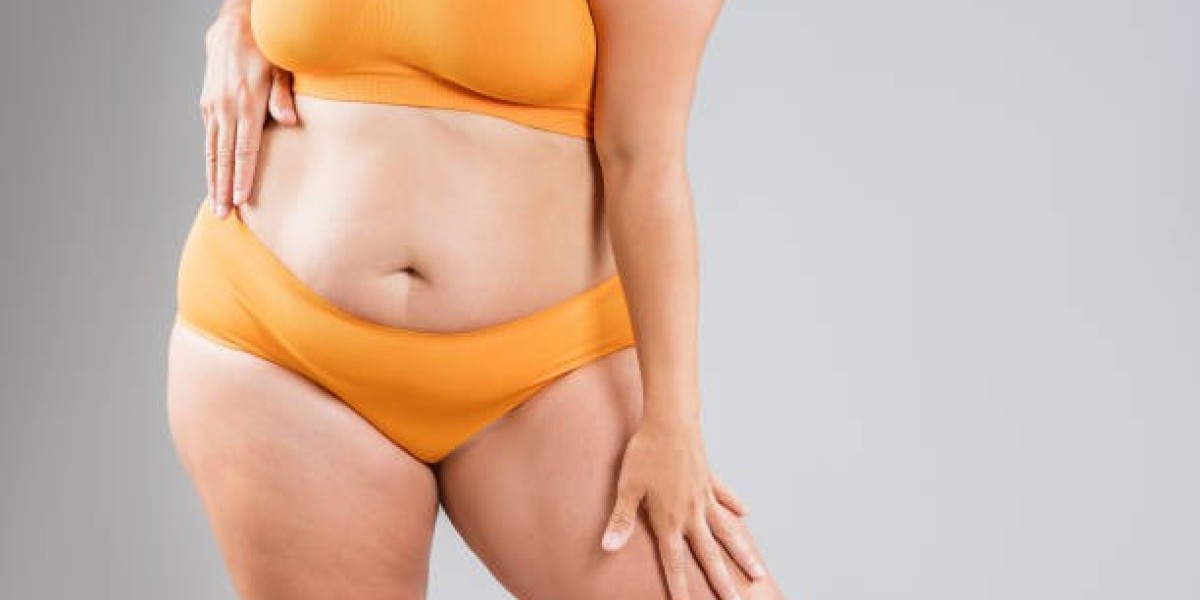

Pregnancy can significantly change the abdomen as the skin stretches, muscles expand, and body weight naturally fluctuates. These changes can affect the appearance of a tummy tuck result if pregnancy occurs after surgery. Tummy tuck surgery in Riyadh (عملية شد البطن في الرياض) can improve excess skin and certain abdominal muscle concerns, but it cannot prevent future pregnancy from changing the treated tissues. Understanding these potential changes is important when considering the timing of a tummy tuck.
Why Can Pregnancy Change Tummy Tuck Results?
A tummy tuck removes selected excess skin and may tighten separated or weakened abdominal muscles. Pregnancy places new physical demands on these tissues as the abdomen expands. As a result, the skin and abdominal wall can stretch again during pregnancy.
Abdominal Skin Stretching
As the abdomen grows, the remaining skin must stretch to accommodate the pregnancy. Even after a tummy tuck, this natural expansion can create new looseness or affect the smoothness of the abdominal contour achieved through surgery.
Changes to Abdominal Muscles
Pregnancy can place pressure on the abdominal wall and may cause the muscles to separate or become more lax. If abdominal muscle repair was performed during a tummy tuck, a subsequent pregnancy may affect that correction.
Can Pregnancy Completely Reverse a Tummy Tuck?
Pregnancy does not necessarily completely reverse a tummy tuck, and the extent of any changes varies between individuals. Some people may retain much of their improved abdominal contour, while others may experience noticeable changes in skin or muscle tightness.
Factors such as the amount of abdominal expansion, skin elasticity, weight changes, pregnancy history, and individual healing can influence how the abdomen looks after pregnancy.
Why Individual Results Differ
Every person's tissues respond differently to pregnancy. Skin with greater elasticity may adapt differently from skin that has already experienced significant stretching. The number of pregnancies and changes in body weight can also influence the post-pregnancy appearance.
What Happens to Loose Skin After Pregnancy?
Pregnancy can stretch abdominal skin that was tightened during a previous tummy tuck. After delivery, some of this skin may naturally contract, while some individuals may experience persistent looseness.
Stretch Marks and Skin Texture
New stretch marks may develop during pregnancy, particularly when the skin stretches rapidly. A previous tummy tuck may have removed some existing stretch-marked skin, but it does not prevent new stretch marks from developing in the remaining skin.
Can Pregnancy Affect Muscle Tightening?
Yes. When a tummy tuck includes abdominal muscle repair, pregnancy can place renewed stress on the repaired abdominal wall. The abdominal muscles and surrounding tissues naturally expand during pregnancy, which may alter the firmness or contour achieved through surgery.
Understanding Muscle Separation
Abdominal muscle separation, often referred to as diastasis recti, can occur during pregnancy. A surgeon can assess the abdominal wall after pregnancy to determine whether significant laxity or separation remains.
Does Weight Gain During Pregnancy Matter?
Pregnancy-related weight gain is expected and necessary, but substantial changes in body weight can influence the appearance of the abdomen after surgery. Some of the change is temporary and may improve as the body recovers after delivery.
Maintaining a healthy approach to postpartum weight management, according to appropriate medical guidance, can help the body gradually return toward its post-pregnancy shape. Rapid dieting should generally be avoided during the recovery period, particularly when breastfeeding.
Should You Have a Tummy Tuck Before or After Pregnancy?
For people who are planning future pregnancies, the timing of a tummy tuck deserves careful consideration. Because pregnancy can change the abdominal tissues again, many surgeons prefer patients to consider surgery after they have completed childbearing.
Why Timing Matters
Waiting until future pregnancies are no longer planned can help preserve the surgical correction for longer. However, the appropriate timing is individual and should be discussed with a qualified surgeon based on overall health, pregnancy plans, and abdominal concerns.
What If You Become Pregnant After a Tummy Tuck?
Becoming pregnant after a tummy tuck does not automatically mean that complications will occur. However, the pregnancy can change the abdominal contour and may affect the previous surgical result.
Anyone who becomes pregnant after a tummy tuck should receive appropriate prenatal care and discuss their surgical history with their healthcare providers. The focus during pregnancy should be maternal and fetal health rather than preserving the cosmetic result.
Can You Have Another Tummy Tuck After Pregnancy?
Some individuals may consider additional abdominal contouring after completing another pregnancy. Whether further surgery is appropriate depends on the condition of the skin, abdominal muscles, overall health, weight stability, and the extent of changes caused by pregnancy.
Allowing the Body to Recover
It is generally important to allow sufficient time after childbirth for the body to recover and for weight and abdominal tissues to stabilize before evaluating the need for additional surgery. A qualified surgeon can determine the appropriate timing during an individual consultation.
How Can You Protect Your Tummy Tuck Results?
If pregnancy is planned after surgery, there is no way to guarantee that the original result will remain unchanged. During pregnancy, following appropriate prenatal guidance and maintaining healthy weight gain can support overall health.
After childbirth, gradual recovery, appropriate nutrition, and a return to physical activity when medically cleared can support overall abdominal recovery. Tummy tuck surgery in Riyadh should therefore be viewed as a body-contouring procedure whose results can be influenced by future pregnancy and other natural body changes.
Why a Professional Consultation Is Important
A consultation is particularly important for anyone considering a tummy tuck while planning or considering future pregnancies. A qualified surgeon can assess the abdominal skin, muscle condition, previous surgical history, and personal goals while explaining how pregnancy may affect the anticipated outcome.
This discussion can help you understand the potential changes, recovery considerations, and timing factors before deciding whether to proceed with surgery.
Book an Appointment at Royal Clinic Saudia
If you are considering Tummy tuck surgery in Riyadh and have questions about pregnancy and long-term results, Royal Clinic Saudia (عيادات رويال كلينك) can provide a professional consultation to discuss your individual circumstances. Book an appointment to receive personalized guidance about timing, treatment options, and realistic expectations.
FAQs:
Can I get pregnant after a tummy tuck?
Pregnancy can occur after a tummy tuck. However, pregnancy may stretch the abdominal skin and muscles again and can change the appearance of the surgical result.
Will pregnancy ruin my tummy tuck results?
Not necessarily. The extent of changes varies between individuals. Some people retain much of their improved contour, while others may develop additional loose skin or abdominal laxity.
Is it better to have a tummy tuck after having children?
People who do not plan future pregnancies may find the timing more suitable because another pregnancy can alter the abdominal tissues. Individual timing should be discussed with a qualified surgeon.
Can I have another tummy tuck after pregnancy?
In some cases, additional surgery may be considered after the body has recovered from pregnancy and weight has stabilized. A surgeon must assess the abdominal tissues and overall health before recommending further treatment.