
Hair thinning and hair loss can affect appearance, confidence, and the way people feel about their overall image. As interest in minimally invasive hair restoration continues to grow, platelet-rich plasma therapy has become a widely discussed option for people looking to support natural hair growth. PRP Hair Treatment in Riyadh uses components derived from the patient’s own blood to create a concentrated plasma preparation that is applied to areas of the scalp affected by thinning or reduced hair density.
For individuals exploring PRP Hair Treatment in Saudi Arabia, understanding the treatment process, potential benefits, suitability, and expected results can make the decision-making process easier. PRP therapy is generally considered a regenerative approach rather than a surgical hair restoration procedure, making it an option for people who prefer treatments that work with their existing hair follicles.
Understanding PRP Hair Treatment
PRP stands for platelet-rich plasma. The treatment begins by collecting a small blood sample from the patient. This sample is processed to separate and concentrate platelets and plasma from other blood components. The resulting preparation contains growth factors and proteins that may contribute to tissue repair and regenerative processes.
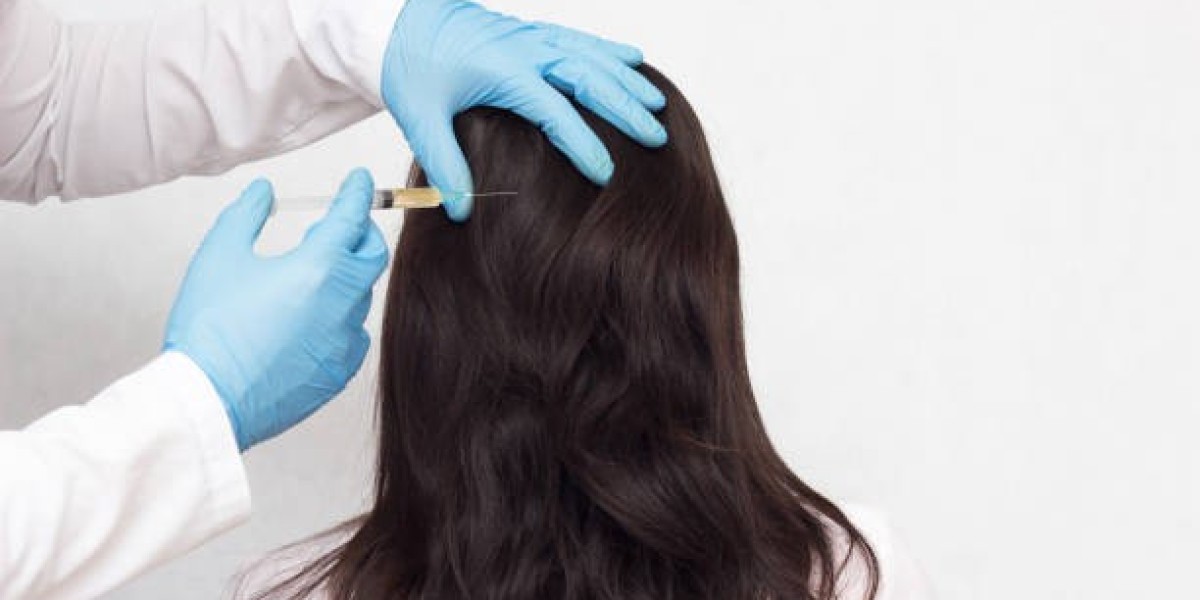
During PRP Hair Treatment in Riyadh, the prepared plasma is typically introduced into selected areas of the scalp using a series of small injections. The goal is to deliver the concentrated plasma close to hair follicles that may benefit from regenerative support. The exact technique can vary depending on the individual's hair condition and the treatment approach used by the medical professional.
How PRP May Support Hair Growth
Hair follicles require an appropriate environment to maintain normal growth cycles. Factors such as genetics, hormonal changes, aging, nutritional deficiencies, and certain medical conditions can contribute to hair thinning. PRP therapy is intended to support the scalp environment and may encourage activity around weakened follicles.
The growth factors contained within platelet-rich plasma are thought to participate in processes involved in tissue repair and cellular activity. Research into PRP for hair loss has reported varying outcomes, so results should not be considered guaranteed. Individual response can depend on the underlying cause of hair loss, follicle condition, treatment protocol, and overall health.
Who May Consider PRP Hair Treatment
PRP may be considered by adults experiencing certain forms of hair thinning, particularly when hair follicles are still present and potentially responsive. People with early or moderate hair loss may discuss the treatment with a qualified healthcare professional to determine whether it is appropriate for their condition.
A professional assessment is important because hair loss can have different causes. Pattern hair loss, temporary shedding, nutritional problems, hormonal changes, inflammatory scalp conditions, and other medical factors may require different approaches. PRP should therefore be considered as part of an individualized treatment plan rather than a universal solution.
PRP Hair Treatment in Riyadh for Different Hair Loss Concerns
People seeking PRP Hair Treatment in Riyadh may have different patterns and degrees of hair thinning. Some may notice gradual reduction in density around the hairline, while others may experience thinning across the crown or other areas of the scalp.
The treatment approach can be adjusted according to the individual's needs. A medical consultation may include an assessment of the scalp, hair density, pattern of hair loss, medical history, and previous treatments. This evaluation helps determine whether PRP is suitable and whether additional approaches may need to be considered.
What Happens During the Treatment
The process generally begins with a consultation and scalp assessment. Once PRP is considered appropriate, a small blood sample is collected and processed using a specialized separation technique. The platelet-rich portion is then prepared for application.
The scalp may be cleaned and prepared before the injections are administered. Small amounts of PRP are introduced into targeted areas where hair thinning is present. The procedure is generally performed as an outpatient treatment, although the exact duration and technique may vary.
Patients may experience temporary sensitivity, redness, swelling, or mild discomfort following injections. These effects commonly settle within a relatively short period, but individual recovery can differ.
What Results Can Be Expected?
Expectations are an important part of any hair restoration treatment. PRP is designed to support existing follicles rather than instantly create new hair follicles. Improvements, when they occur, tend to develop gradually as the hair growth cycle progresses.
Some individuals may notice changes in hair shedding, thickness, or overall density over time, while others may experience a more limited response. Several treatment sessions may be recommended depending on the individual's condition and the protocol selected by the treating professional.
Because hair grows through natural cycles, visible changes generally require patience. Follow-up assessments can help determine how the scalp and hair are responding to treatment.
PRP Hair Treatment in Saudi Arabia and Personalized Care
The popularity of PRP Hair Treatment in Saudi Arabia has increased interest in personalized approaches to hair restoration. Rather than applying exactly the same treatment plan to everyone, professionals can consider factors such as age, hair loss pattern, scalp condition, medical history, and treatment goals.
Personalized care is particularly important because hair loss may result from several overlapping factors. A thorough assessment can help distinguish hereditary thinning from other causes that may require investigation or separate treatment.
Patients should also provide information about medications, existing medical conditions, allergies, previous scalp procedures, and any recent changes in hair loss. This information can help the healthcare professional evaluate suitability and reduce avoidable risks.
Benefits of PRP for Hair Restoration
One reason people consider PRP Hair Treatment in Riyadh is that the procedure uses a preparation derived from the patient's own blood. This makes it different from treatments that introduce unrelated biological materials into the body.
Another potential advantage is that PRP is minimally invasive compared with surgical hair transplantation. There is generally no requirement for large incisions or the surgical relocation of hair follicles. The treatment can therefore appeal to individuals seeking a nonsurgical approach to supporting hair growth.
However, PRP is not appropriate for everyone, and its effectiveness varies. A healthcare professional can explain realistic expectations based on the individual's hair loss pattern and follicle condition.
Factors That May Affect Treatment Results
Several factors can influence the response to PRP therapy. The underlying cause of hair loss is particularly important. People with different types of hair loss may respond differently to the same treatment.
Age, general health, scalp condition, nutritional status, genetics, lifestyle, and the degree of follicle miniaturization can also influence outcomes. Consistency with recommended follow-up appointments may be another consideration when a treatment plan involves multiple sessions.
Maintaining realistic expectations is essential. PRP is generally intended to support the condition of existing hair rather than provide an immediate or permanent cure for every form of hair loss.
Recovery and Aftercare
Most people can return to ordinary activities relatively quickly after PRP treatment, although aftercare recommendations may vary. The scalp can sometimes feel tender or appear mildly red following the injections.
Patients should follow the specific instructions provided by their healthcare professional. These instructions may address scalp cleansing, physical activity, hair products, and other factors immediately following treatment.
Any unusual or persistent symptoms should be discussed with the treating professional. Following professional aftercare guidance can help support a smooth recovery.
Choosing PRP Hair Treatment in Riyadh
When researching PRP Hair Treatment in Riyadh, patients should focus on the qualifications and experience of the healthcare professional providing the procedure. Understanding how the treatment is performed and how the individual's hair loss will be evaluated is also important.
A consultation should provide an opportunity to discuss the cause of hair loss, treatment expectations, possible side effects, alternatives, and the likely course of follow-up care. Patients should feel comfortable asking questions before deciding whether PRP is suitable.
It is also useful to understand that PRP may sometimes be considered alongside other evidence-based hair loss treatments. The appropriate combination depends on the individual's diagnosis and medical circumstances.
Frequently Asked Questions
What Is PRP Hair Treatment in Riyadh?
PRP Hair Treatment in Riyadh is a minimally invasive hair restoration procedure that uses platelet-rich plasma prepared from the patient's own blood. The concentrated plasma is applied to areas of the scalp affected by hair thinning with the aim of supporting existing hair follicles and encouraging healthier growth.
Is PRP Hair Treatment Suitable for Everyone?
PRP is not suitable for every type or stage of hair loss. Suitability depends on factors such as the underlying cause of thinning, the condition of the hair follicles, general health, and individual treatment goals. A professional scalp assessment is recommended before treatment.
How Long Does It Take to See Results From PRP?
Results generally develop gradually because hair grows through natural cycles. Some people may notice changes in hair shedding or density over time, while others may require additional treatment or may experience limited improvement. A healthcare professional can provide a more individualized expectation.
How Many PRP Treatments May Be Needed?
The number and frequency of treatments can vary according to the individual's hair loss pattern and the protocol recommended by the treating professional. Some treatment plans involve an initial series followed by maintenance sessions, while other approaches may differ.
Is PRP Hair Treatment in Saudi Arabia Safe?
PRP therapy is generally considered minimally invasive, but it can still cause temporary effects such as discomfort, redness, swelling, or tenderness at injection sites. Individual risks can vary, making professional evaluation and appropriate medical technique important.
Can PRP Permanently Stop Hair Loss?
PRP should not be viewed as a guaranteed permanent solution for hair loss. It may support existing follicles and improve hair characteristics in some individuals, but results vary according to the cause and severity of hair loss. Long-term management may require continued evaluation and other treatments.
Conclusion
PRP therapy has become an increasingly discussed option for individuals interested in nonsurgical approaches to hair restoration. By using platelet-rich plasma derived from the patient's own blood, the treatment aims to support existing hair follicles and create conditions that may encourage healthier hair growth. Understanding the procedure, potential benefits, limitations, recovery, and individual suitability is essential before beginning treatment.
For those researching PRP Hair Treatment in Riyadh or comparing options for PRP Hair Treatment in Saudi Arabia, a personalized medical assessment remains an important starting point. Discussing hair loss concerns, realistic expectations, treatment alternatives, and follow-up care with a qualified professional can help individuals make informed decisions. Enfield Royal Clinic Saudi can be considered as part of the information-gathering process when exploring professional options for personalized hair restoration care.