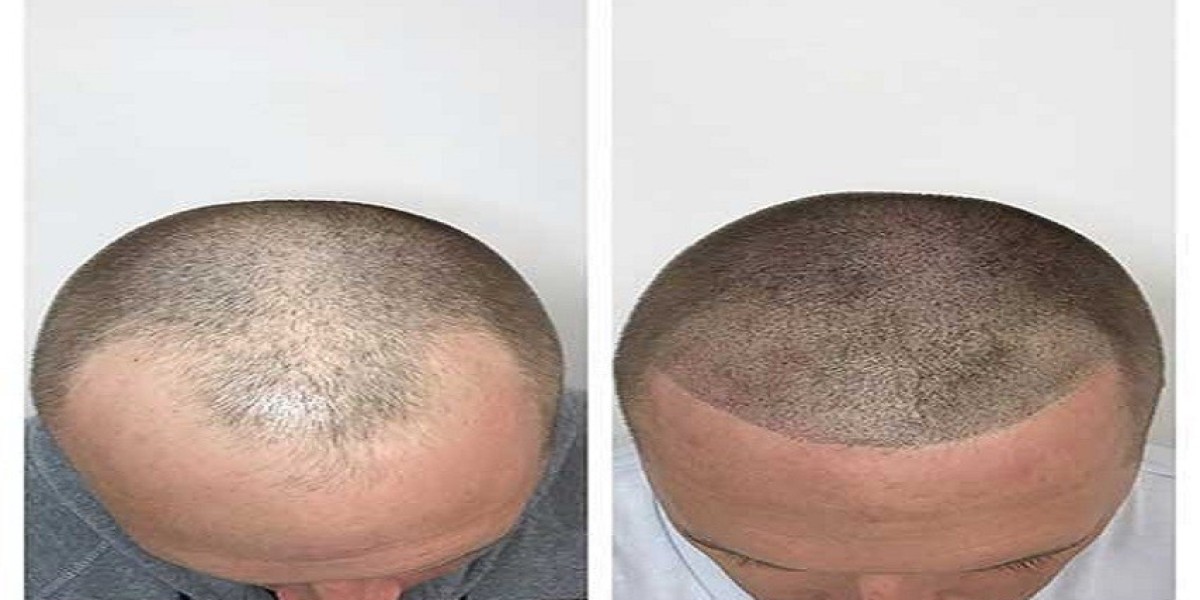

Hair loss is one of the most common concerns among men, yet many ignore the early warning signs until the problem becomes difficult to manage. Male Pattern Baldness, also known as androgenetic alopecia, develops gradually and often starts much earlier than people expect. What begins as mild hair thinning or a slightly receding hairline can eventually lead to significant hair loss if left unaddressed.
The good news is that recognizing the early signs and seeking timely professional guidance can help slow down the progression and improve overall hair health. Understanding what to look for is the first step toward protecting your hair and confidence.
What Is Male Pattern Baldness?
Male Pattern Baldness is a hereditary condition that affects the hair follicles. It is largely influenced by genetics and hormones, particularly a hormone called dihydrotestosterone (DHT). Over time, DHT causes hair follicles to shrink, producing thinner and weaker hair strands until the follicles eventually stop producing visible hair.
While some men experience hair loss later in life, others may notice changes in their late teens, twenties, or early thirties.
Early Signs You Should Not Ignore
1. Receding Hairline
One of the earliest and most noticeable signs is a hairline that gradually moves backward, particularly around the temples. This often creates an "M-shaped" appearance on the forehead.
Many men dismiss this change as a normal part of aging, but it can be the first indication of Male Pattern Baldness.
2. Increased Hair Shedding
Finding more hair than usual on your pillow, comb, shower drain, or clothing may signal the beginning of hair loss. While daily shedding is normal, excessive hair fall that continues for several weeks should not be ignored.
3. Thinning at the Crown
Hair thinning often begins at the crown area, creating a small bald spot that may gradually expand. Since this area is difficult to see without a mirror, many individuals fail to notice it until significant thinning has already occurred.
4. Reduced Hair Density
If your scalp becomes more visible under bright light or your hair appears less voluminous than before, it could indicate a reduction in hair density. This often happens gradually, making it difficult to recognize without comparing older photographs.
5. Finer and Weaker Hair Strands
Hair affected by Male Pattern Baldness often becomes thinner, shorter, and weaker. This process, known as follicular miniaturization, is a key characteristic of androgenetic alopecia.
6. Difficulty Styling Hair
If your usual hairstyle no longer looks the same or your hair lacks its previous fullness, it may be because thinning areas are becoming more noticeable.
Why Early Detection Matters
Many people wait until they have visible bald patches before seeking help. Unfortunately, by that stage, a considerable number of hair follicles may already be weakened or inactive.
Early detection provides several advantages:
· Better opportunity to slow hair loss progression
· Improved chances of maintaining existing hair
· Enhanced effectiveness of professional treatments
· Reduced emotional stress related to hair loss
· Greater confidence and satisfaction with hair appearance
The earlier the issue is addressed, the more treatment options may be available.
Common Risk Factors
Several factors can increase the likelihood of developing Male Pattern Baldness:
Family History
Genetics plays a major role. If your father, grandfather, or other close relatives experienced hair loss, your chances may be higher.
Hormonal Influences
Sensitivity to DHT can vary among individuals. Those with increased follicle sensitivity may experience earlier or more aggressive hair thinning.
Age
The risk of Male Pattern Baldness generally increases with age, although younger men can also be affected.
Lifestyle Factors
Stress, poor nutrition, smoking, lack of sleep, and unhealthy lifestyle habits may contribute to overall hair health issues and potentially accelerate hair thinning.
How to Care for Your Hair Early
Although Male Pattern Baldness cannot always be completely prevented, healthy hair care habits may support scalp health and strengthen existing hair.
Maintain a Healthy Diet
Hair follicles require nutrients such as protein, iron, zinc, biotin, and vitamins to function properly. A balanced diet can help support healthy hair growth.
Manage Stress
Chronic stress can negatively impact hair health. Regular exercise, meditation, proper sleep, and relaxation techniques may help reduce stress-related hair concerns.
Avoid Harsh Hair Treatments
Excessive heat styling, harsh chemical treatments, and aggressive hair handling can weaken already vulnerable hair strands.
Keep the Scalp Healthy
A clean and healthy scalp provides a better environment for hair growth. Regular scalp care and proper hygiene are important components of hair maintenance.
Seek Professional Evaluation
If you notice persistent thinning, increased shedding, or changes in your hairline, consulting a qualified hair specialist can help identify the underlying cause and recommend appropriate care options.
Modern Solutions for Male Pattern Baldness
Advancements in trichology and hair restoration have created multiple approaches to managing Male Pattern Baldness. Depending on the individual's condition, specialists may recommend personalized treatment plans designed to improve scalp health, strengthen hair follicles, and slow hair loss progression.
Since every person's hair loss pattern is unique, professional assessment is essential for determining the most suitable approach.
Final Thoughts
Male Pattern Baldness rarely happens overnight. It usually starts with subtle changes that many men overlook. A receding hairline, thinning crown, increased shedding, or reduced hair density are all signs that deserve attention.
Best Non-Surgical Hair Treatments in Vadodara | Hairensure Trichology Clinic