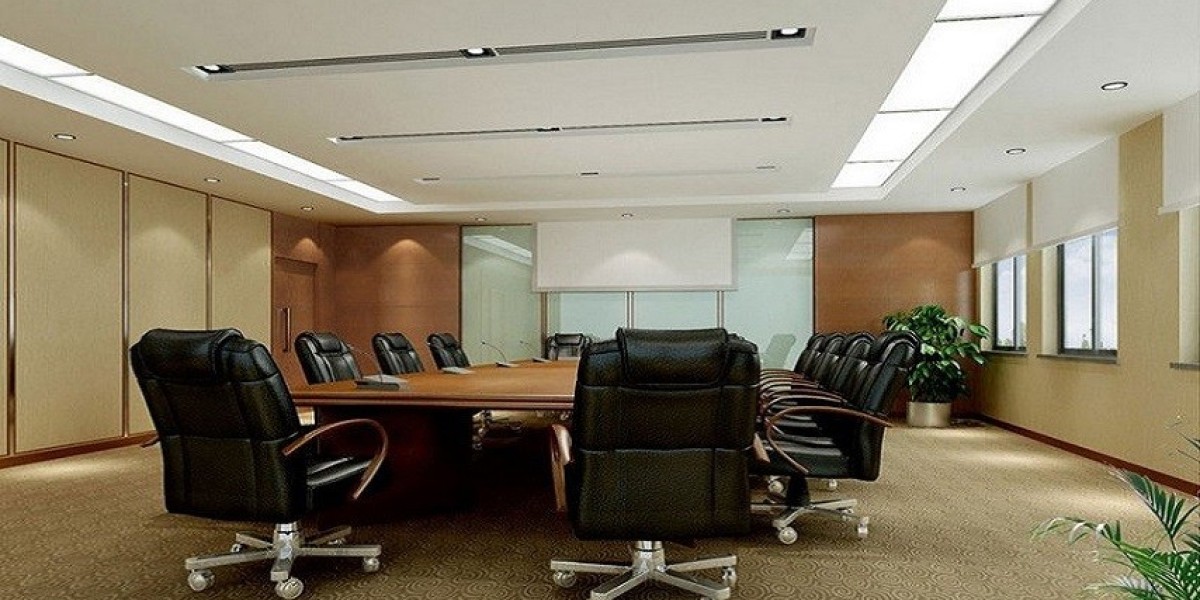

The modern workplace has evolved far beyond rows of desks and enclosed offices. Today's businesses understand that employee productivity, innovation, and satisfaction are closely linked to the design of the workspace. As a result, modern architects are creating environments that encourage collaboration, creativity, flexibility, and well-being.
By combining functionality with aesthetics, architects are transforming traditional offices into dynamic spaces where ideas flow freely and teams work together more effectively.
Understanding the Needs of Modern Work Culture
Modern organizations prioritize teamwork, communication, and innovation. Architects begin the design process by understanding how employees interact, the nature of their work, and the company's culture. This user-centered approach helps create spaces that support both focused work and collaborative activities.
Instead of designing a one-size-fits-all office, architects develop flexible environments that accommodate different work styles and tasks.
Open Layouts that Encourage Interaction
One of the most common features of contemporary office design is the open-plan layout. By reducing physical barriers between employees, open spaces promote communication and spontaneous interactions.
Modern architects carefully balance openness with functionality by strategically arranging workstations, meeting areas, and circulation paths. This allows teams to collaborate easily while maintaining an organized workflow throughout the office.
Creating Dedicated Collaboration Zones
While open spaces encourage interaction, architects also recognize the importance of dedicated collaboration areas. These spaces are specifically designed for brainstorming sessions, team meetings, workshops, and informal discussions.
Features often include:
- Flexible seating arrangements
- Writable walls and digital screens
- Comfortable lounge-style furniture
- Modular tables for group activities
These collaborative zones help teams exchange ideas and solve problems more efficiently.
Integrating Quiet Spaces for Focused Work
Creativity often requires moments of concentration. Modern office designs include quiet zones, phone booths, private pods, and enclosed meeting rooms where employees can focus without distractions.
By offering a variety of work environments, architects create a balanced workplace that supports both individual productivity and team collaboration.
Maximizing Natural Light and Open Views
Research consistently shows that natural light positively impacts mood, energy levels, and productivity. Modern architects prioritize large windows, glass partitions, skylights, and open floor plans to maximize daylight throughout the workspace.
Access to outdoor views and natural surroundings can also reduce stress and enhance creative thinking, contributing to a healthier work environment.
Flexible and Adaptable Workspaces
As businesses evolve, their workspace requirements often change. Modern architects design offices with adaptability in mind by incorporating:
- Modular furniture systems
- Movable partitions
- Multi-purpose meeting rooms
- Reconfigurable workstations
These flexible solutions allow organizations to modify layouts as teams grow or project requirements change without major renovations.
Incorporating Technology Seamlessly
Technology plays a vital role in workplace collaboration. Architects work closely with technology consultants to integrate smart solutions into office design.
Modern collaborative workspaces often feature:
- Video conferencing facilities
- Wireless presentation systems
- Smart lighting controls
- Interactive digital displays
- Advanced acoustic solutions
These technologies help teams collaborate efficiently, whether working in-person or remotely.
Designing for Employee Well-Being
Employee well-being has become a central consideration in workplace architecture. Modern offices often include wellness-focused features such as:
- Biophilic design elements
- Indoor plants and green walls
- Comfortable breakout spaces
- Ergonomic furniture
- Improved air quality systems
These features contribute to a healthier and more inspiring work environment, which can boost creativity and job satisfaction.
Encouraging Informal Collaboration
Some of the best ideas emerge through casual conversations. Architects design informal gathering spaces such as coffee lounges, cafeteria-style hubs, and relaxation zones where employees can interact naturally.
These areas encourage cross-department communication and foster a culture of innovation by creating opportunities for spontaneous idea-sharing.
Reflecting Company Culture Through Design
A workspace should represent the identity and values of the organization. Modern architects use colors, materials, branding elements, and spatial design to create environments that reflect company culture.
Whether it's a technology startup seeking a vibrant and energetic atmosphere or a professional firm requiring a sophisticated setting, customized design solutions help strengthen employee engagement and brand identity.
Sustainability and Creative Workspaces
Sustainable architecture is increasingly becoming a key aspect of workplace design. Energy-efficient lighting, eco-friendly materials, water-saving systems, and sustainable construction practices contribute to environmentally responsible workspaces.
Green office environments not only reduce environmental impact but also create healthier and more comfortable spaces for employees.
Conclusion
Modern architects play a crucial role in shaping workplaces that foster collaboration, creativity, and productivity. By combining flexible layouts, dedicated collaboration zones, wellness-focused features, advanced technology, and sustainable design principles, they create environments where employees can perform at their best.
As organizations continue to embrace innovation and evolving work models, thoughtfully designed workspaces will remain essential for supporting teamwork, inspiring creativity, and driving long-term business success.
Proudly delivering excellence with Turnkey Projects successfully completed across diverse industries.
Trust our expertise for end-to-end solutions that ensure quality, efficiency, and timely execution!