
Skyrocketing property values and rising interest rates have pushed traditional homeownership out of reach for millions of hardworking individuals. For decades, the standard path to buying a home required a large down payment, pristine credit scores, and a thirty-year mortgage commitment. Today, that traditional framework no longer fits the financial reality of modern buyers.
A major shift is happening in the housing market. Instead of taking on massive debt for extra square footage, buyers are choosing practical, budget-friendly alternatives that offer financial stability. Alternative housing models allow individuals and families to secure permanent residence while keeping monthly expenses manageable. Navigating these options effectively requires understanding the structures, financing models, and practical considerations involved in low-cost housing.
The Rise of Minimalist Living and Micro-Housing
Downsizing to smaller residential units has transformed from a niche lifestyle choice into a mainstream strategy for debt-free living. Downsizing square footage dramatically reduces mortgage or construction liabilities, routine maintenance expenses, and monthly utility consumption.
Smaller floor plans allow homeowners to allocate financial resources toward personal savings, investments, or travel rather than property maintenance. Furthermore, compact residential units are built using efficient construction practices, lowering overall material waste and construction turnaround times.
Financial Advantages of Compact Structures
Reduced Construction Costs: Smaller footprints require significantly fewer building materials, lowering overall structural costs.
Lower Operational Expenses: Heating, cooling, and maintaining reduced square footage costs a fraction of standard residential upkeep.
Minimal Property Tax Liabilities: Lower assessed property values result in significantly smaller annual real estate tax obligations.
Speed of Occupancy: Many compact residences are pre-fabricated or modular, allowing buyers to move in weeks rather than months.
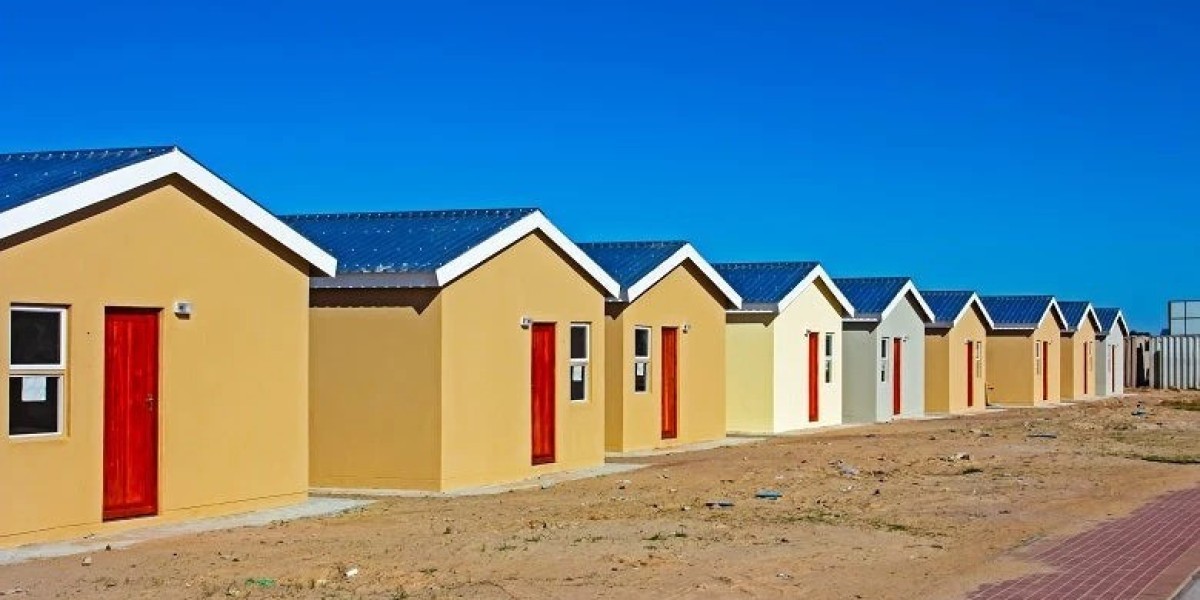
Finding affordable tiny homes for sale provides a direct path to outright ownership without taking on decades of mortgage debt. Whether placed on private acreage or within dedicated residential communities, these homes provide standard comforts while eliminating unnecessary real estate overhead.
Flexible Financing and Pathways to Equity
Securing traditional bank loans for non-standard housing can present challenges. Conventional lenders often enforce strict square-footage minimums and appraisal guidelines that small dwellings do not meet. Consequently, buyers rely on alternative financing structures to transition from tenant to owner.
Lease-option contracts and rent-to-own agreements have emerged as practical mechanisms to bridge this gap. Under these arrangements, a tenant leases a residential property for a set period with the contractual right to purchase it before or at the end of the term. A portion of monthly rental payments often applies toward the final purchase price, helping renters build equity over time.
Key Advantages of Rent-to-Own Contracts
Credit Building Window: Tenants can live in the property while taking active steps to improve credit profiles or save for a final settlement.
Price Lock Guarantees: Most agreements lock in the purchase price at the start of the lease, protecting buyers against sudden market price spikes.
Equity Accumulation: Premium portions of monthly rent payments count directly toward the eventual purchase price.
Low Initial Capital Needs: Buyers avoid large upfront down payments, making the path to property acquisition far more accessible.
Entering into rent to own homes contracts allows individuals with limited liquid capital to secure housing security. Resource platforms like Wehome500 assist buyers by highlighting manageable property listings, land rental directories under five hundred dollars per month, and structured financing paths tailored to individual budgets.
Land, Zoning, and Utility Essentials
Purchasing or leasing an alternative structure is only one part of the housing equation. Securing suitable land and ensuring compliance with local government regulations are critical steps toward long-term stability.
Zoning regulations vary widely across counties and municipal jurisdictions. Some regions welcome accessory dwelling units (ADUs) and small residential structures, while others enforce strict minimum square-footage rules or prohibit full-time residency in moveable units.
Preparing Your Site for Residential Occupancy
Jurisdictional Zoning Verification: Always review local municipal codes to confirm whether compact residences are permitted as primary or secondary structures on the lot.
Utility Hookup Requirements: Determine whether the location offers direct connections to city water and sewer systems or requires off-grid alternatives like septic tanks, well water, and solar setups.
Foundation Selection: Decide between permanent concrete foundations or mobile trailer chassis based on local building codes and mobility preferences.
Land Rental Costs: If you do not own land outright, evaluate long-term lot leases in structured communities to keep total housing overhead predictable.
Careful site planning prevents unexpected regulatory obstacles and keeps property maintenance smooth over time.
Making the Transition to Micro-Living
Moving into a compact or alternative home requires careful preparation beyond choosing a floor plan. Successfully shifting to a smaller home relies on realistic planning, thorough financial organization, and spatial management.
Before signing a purchase contract or lease agreement, conduct a full financial assessment. Evaluate your current monthly budget, income stability, and overall debt load to determine an affordable monthly payment. Factor in lot fees, utility installation expenses, property insurance, and ongoing maintenance reserves.
Streamlining personal belongings before moving in is equally essential. Living efficiently in reduced square footage requires prioritizing functional furniture, multi-purpose storage solutions, and uncluttered living spaces.
Long-Term Housing Stability Through Smart Alternatives
Alternative real estate models provide realistic solutions to modern housing affordability challenges. By prioritizing practical square footage, flexible acquisition models, and disciplined site planning, buyers can achieve genuine homeownership without structural debt. Choosing compact homes or structured rent-to-own paths puts financial control back in the hands of the buyer, creating stable living arrangements for years to come.
Frequently Asked Questions
Question 1: What is the main difference between a lease-option and a lease-purchase agreement?
A lease-option gives you the right, but not the obligation, to buy the property at lease end. A lease-purchase contract obligates you to buy the home when the lease term expires.
Question 2: Can you park a tiny home on any private property?
No. Local zoning laws and municipal building codes dictate where tiny homes can legally be placed and occupied full-time.
Question 3: Do alternative housing options require traditional mortgages?
Not always. Buyers frequently utilize personal loans, RV loans, builder-in-house financing, or rent-to-own arrangements instead of standard mortgage loans.
Question 4: How do utility connections work for compact homes on wheels?
Most mobile compact homes feature standard RV style hookups, including a water inlet, a sewer connection, and a 30 to 50 amp electrical power connection.
Question 5: What credit score is required for rent-to-own programs?
Rent-to-own agreements generally have more flexible credit requirements than traditional banks, though lenders or property owners still evaluate income consistency and repayment history.