
Hosting a memorable event requires more than just good lighting, great music, and a solid guest list. Behind every successful gathering lies an invisible framework of planning, liability management, and physical safety. Whether you are managing an outdoor music festival, a corporate summit, or a private gathering, failing to identify site vulnerabilities beforehand can lead to major disruptions, structural hazards, or severe legal liabilities.
Securing a site starts long before the doors open. Conducting a systematic venue threat assessment and executing a detailed risk assessment for a party or commercial event ensures that organizers protect attendees while remaining compliant with local regulations.
The Core Pillars of Event Hazard Planning
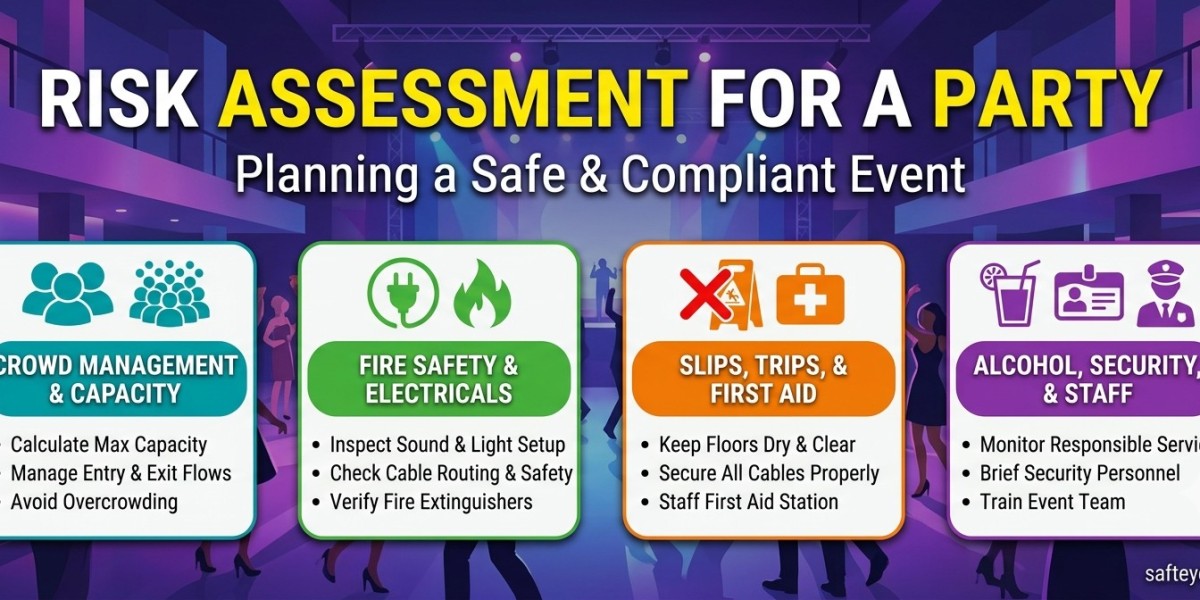
Safety planning is not a one-size-fits-all checklist. Hazards vary significantly based on venue type, crowd size, location, and the nature of the event itself. To structure an effective strategy, event organizers need to categorize risk factors into distinct areas.
Environmental and Structural Hazards
Weather Extremes: High winds can destabilize temporary stages, tents, and overhead lighting rigs. Heavy rain creates slip hazards and potential electrical short circuits.
Structural Loads: Overcrowding on balconies, temporary decks, or elevated platforms poses immediate risk of structural failure.
Access and Egress Routes: Clear, unobstructed exits are essential. Blocked fire exits or narrow bottlenecks cause dangerous crowd surges during emergencies.
Crowd Dynamics and Human Factors
Density Management: High crowd density near entry points, main stages, or bars increases the likelihood of crushing or panic.
Alcohol and Substance Use: Impaired attendees require dedicated medical support, clear security monitoring, and active de-escalation tactics.
Access Control: Unscreened perimeter entries leave the venue vulnerable to unauthorized access or security breaches.
Step-by-Step Venue Threat Assessment
A site evaluation examines the physical properties of a location against potential security threats, emergency scenarios, and operational failures.
1. Evaluate Site Perimeters and Entry Points
Begin by mapping the outer perimeter. Identify every point of entry and exit, including service doors, loading docks, and staff-only pathways. Ensure that all non-essential entries remain locked or guarded, while primary guest entrances feature controlled queue lines with adequate lighting.
2. Identify Bottlenecks and High-Traffic Zones
Analyze how attendees will move through the space. High-density zones include ticket counters, security checkpoints, coat checks, restrooms, and main bars. Placing these amenities too close together creates severe congestion that hampers movement during standard operations and emergency evacuations.
3. Review Emergency Response Clearances
Medical personnel and fire service crews must have unimpeded access to the venue at all times. Verify that dedicated emergency lanes remain clear of parked vendor vehicles, stage equipment, or overflow crowds. Inside the building, keep primary aisles clear and mark emergency exits visibly.
4. Inspect Communication Systems and Power Backup
Equipment failures can isolate staff during a critical incident. Verify that dead zones do not exist within the venue where two-way radios or cellular signals drop out. Additionally, check that emergency exit signs and secondary lighting systems run on operational battery backups.
Practical Risk Assessment for a Party or Social Event
Private parties, pop-up events, and medium-sized social gatherings carry unique risks that organizers often overlook due to an informal atmosphere. However, private properties and rented event halls face the same baseline legal liabilities as commercial venues.
Executing a proper risk assessment for a party involves systematically documenting potential incidents and outlining pre-planned mitigations.
Primary Risk Vectors in Party Environments
Slip, Trip, and Fall Hazards: Spilled beverages, loose extension cords across walkways, and uneven flooring account for the highest percentage of event injury claims.
Noise Violations and Community Impact: Unregulated sound levels attract law enforcement interventions, leading to premature shutdowns or fines.
Over-Capacity Issues: Exceeding local building code limits strains facilities, triggers fire code violations, and complicates security control.
Setting Up Mitigation Protocols
To control these variables, organizers must establish written protocols before setup begins:
Assign dedicated personnel to monitor floor conditions and clean spills immediately.
Secure all cabling with heavy-duty gaffer tape or rubber cable ramps across foot-traffic paths.
Establish a firm guest limit based on usable square footage rather than overall venue capacity.
Use pre-formatted safety templates from Safety docs to quickly draft compliant site risk assessments and staff briefing sheets without starting from scratch.
Establishing an Actionable Emergency Protocol
A safety document is only as effective as the team executing it. Event personnel, security staff, and vendors must understand their specific responsibilities during an incident.
Essential Emergency Action Components
Chain of Command: Define clear decision-makers. Staff must know exactly who holds the authority to pause a show, clear a hall, or contact emergency services.
Evacuation Signals: Standardize plain-language announcements over public address systems rather than relying on internal codes that confuse attendees.
Staff Positioning: Assign security personnel and team leads to specific exit doors to direct crowd movement smoothly during an evacuation.
First Aid Stations: Position clearly labeled medical hubs away from noisy main stages or high-traffic corridors so responders can treat patients efficiently.
Final Compliance Checklist for Event Planners
Running through a final operational audit on event day prevents last-minute compliance issues:
Walk the entire perimeter to confirm all emergency exit doors open easily from the inside.
Verify that all fire extinguishers are fully charged, unexpired, and accessible.
Check that emergency lighting fixtures are fully functional.
Brief all site security officers and staff members on evacuation routes and emergency roles.
Confirm that first aid kits are stocked and assigned to designated medical personnel.
Frequently Asked Questions
Q1: What is the main purpose of a venue threat assessment?
It identifies physical security vulnerabilities, access gaps, and structural hazards across a location before an event takes place to prevent incidents.
Q2: How far in advance should a party risk assessment be completed?
Complete the initial assessment two to four weeks prior to the event date to allow time for required permits, equipment hires, and safety adjustments.
Q3: Who is legally responsible for attendee safety at a rented venue?
Liability generally falls on both the event organizer and the venue owner, depending on lease terms, local regulations, and insurance coverage policies.
Q4: What are the most common hazards found during event inspections?
Blocked emergency exits, unsecured electrical cables running across pedestrian paths, and inadequate perimeter lighting are the most frequent violations.
Q5: Do small private events need formal safety documentation?
Yes, written safety procedures protect organizers against legal liability, support insurance claims, and ensure clear emergency actions regardless of event size.