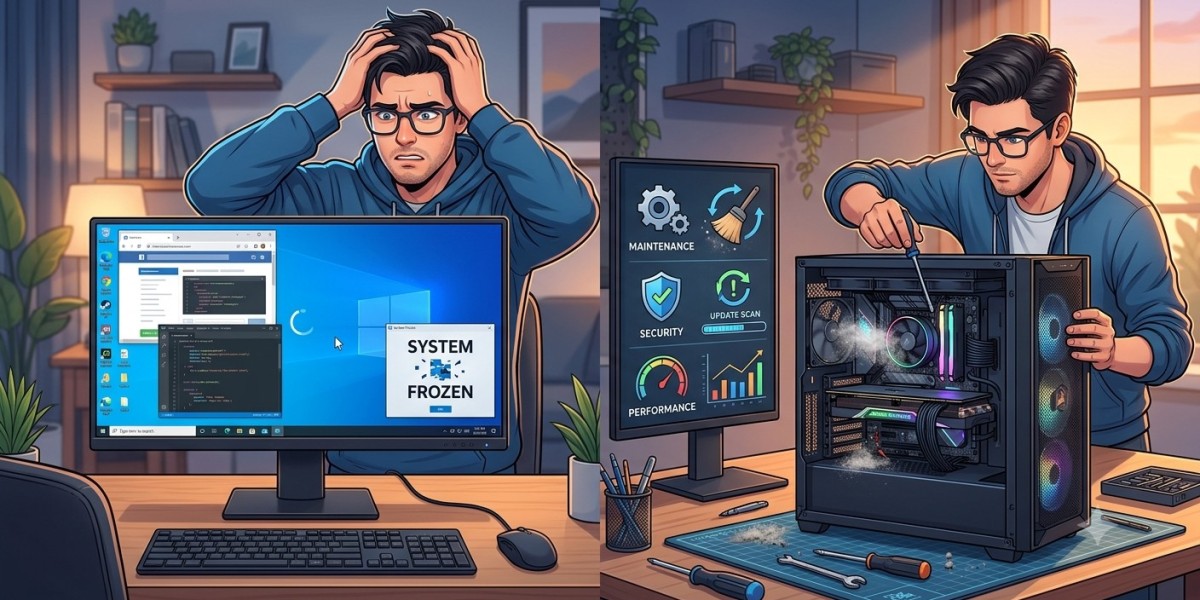

Few computer problems are more frustrating than a system that suddenly freezes in the middle of an important task. The mouse may stop moving, applications may become unresponsive, or the entire screen may appear stuck. Sometimes a quick restart solves the issue, but repeated freezes are often a warning that something deeper is wrong. Hardware problems, overheating, insufficient memory, software conflicts, malware, and storage failures can all contribute to an unstable computer.
Understanding what causes random freezes makes it easier to prevent them and determine when professional assistance is necessary. If your computer frequently becomes unresponsive, professional computer repair Albany services can help identify the underlying issue. Likewise, users experiencing problems with portable devices can turn to laptop repair Albany professionals for specialized diagnostics and repairs.
What Is a Computer Freeze?
A computer freeze occurs when the operating system or an application stops responding to user commands. You may be unable to move the mouse, type, close programs, or access other features.
A freeze can last a few seconds or continue until the computer is manually restarted. Occasional application freezes aren't necessarily serious, but frequent system-wide freezes should not be ignored.
Common symptoms include:
- Mouse and keyboard become unresponsive
- Applications stop responding
- Screen remains stuck
- Audio loops or stops
- Computer requires a forced restart
- Programs frequently crash after freezing
Identifying the pattern can help determine the underlying cause.
Insufficient RAM
Random freezes can occur when your computer doesn't have enough memory to handle its workload.
Running several applications simultaneously, keeping numerous browser tabs open, or using demanding programs can consume available RAM. Once physical memory becomes limited, the operating system may rely heavily on the storage drive, resulting in severe slowdowns and occasional freezing.
Upgrading RAM may help if your system consistently reaches high memory usage. However, memory problems can also result from defective RAM modules, so professional testing may be necessary.
Overheating Components
Excessive heat is another common reason computers freeze unexpectedly.
Processors and graphics cards generate heat during normal operation. If cooling systems cannot remove that heat efficiently, the computer may become unstable.
Overheating can be caused by:
- Dust buildup
- Blocked air vents
- Failed cooling fans
- Dried thermal paste
- Poor airflow
- Heavy workloads
Signs of overheating may include loud fans, hot surfaces, sudden shutdowns, performance slowdowns, and repeated freezes.
Keeping internal components clean and ensuring adequate airflow can reduce the risk.
Failing Hard Drive or SSD
Storage problems can cause serious system instability.
A failing hard drive may develop bad sectors that make it difficult for the operating system to access important files. SSDs can also experience health degradation or controller problems.
Warning signs include:
- Slow file access
- Long startup times
- Missing files
- Clicking sounds from traditional hard drives
- Frequent application crashes
- Operating system errors
If you suspect storage failure, back up important files immediately and avoid unnecessary use until the drive can be tested.
Outdated or Corrupted Drivers
Drivers allow the operating system to communicate with hardware such as graphics cards, network adapters, printers, and other devices.
A corrupted or incompatible driver may cause:
- System freezes
- Blue screen errors
- Display problems
- Device failures
- Unexpected restarts
Keeping drivers updated through reliable sources can improve compatibility and system stability.
Software Conflicts
Two applications may occasionally interfere with each other or with the operating system.
Software conflicts can occur after:
- Installing new applications
- Updating existing programs
- Installing security software
- Changing system settings
If freezes began immediately after installing a particular program, removing or updating that software may resolve the problem.
Malware and Unwanted Programs
Malware can consume system resources and interfere with normal computer operations.
Certain malicious programs run continuously in the background, using CPU, memory, storage, or network resources.
Possible warning signs include:
- Sudden performance drops
- Unknown applications
- Excessive CPU usage
- Browser redirects
- Unexpected pop-ups
- Frequent freezing
Running a reputable security scan can help identify and remove malicious software.
Too Many Startup Applications
A large number of applications launching automatically can place unnecessary pressure on your computer.
Startup programs consume resources before you even begin working.
Review unnecessary startup applications and disable those you don't need. Avoid disabling essential operating system or security services unless you know exactly what they do.
Reducing startup activity can improve boot times and overall responsiveness.
Windows or Operating System Problems
Corrupted operating system files can also cause random freezes.
System instability may appear after:
- Failed updates
- Sudden power loss
- Malware infections
- Incorrect software changes
- Damaged system files
Keeping the operating system updated and using built-in repair utilities can help maintain system stability.
Faulty Hardware
Sometimes the cause is a physical hardware failure.
Potentially defective components include:
- RAM
- Motherboard
- Graphics card
- Power supply
- Storage drive
- Processor
- Cooling system
When multiple troubleshooting steps fail to solve the problem, professional hardware diagnostics can determine which component is responsible.
How to Prevent Random Computer Freezes
Several maintenance habits can reduce the likelihood of system freezes.
Keep Your Computer Clean
Remove dust from external vents regularly and have internal components professionally cleaned when necessary.
Maintain Proper Ventilation
Keep laptops on hard surfaces and avoid blocking desktop ventilation openings.
Update Software
Install reliable operating system, driver, and application updates to improve compatibility and security.
Monitor Storage Space
Keep sufficient free storage available. Extremely full drives can affect system performance.
Use Reliable Security Software
Regular malware scans help protect your computer from malicious programs that can cause instability.
Back Up Important Data
Regular backups protect your files if a freeze is caused by a failing storage device.
When Should You Seek Professional Help?
Occasional application freezes may not indicate a serious problem, but frequent system-wide freezes deserve professional attention.
Consider contacting a technician if:
- Your computer freezes repeatedly.
- It freezes during startup.
- The system freezes while performing basic tasks.
- You hear unusual hardware noises.
- The computer becomes extremely hot.
- Freezes are followed by blue screen errors.
- Important files become inaccessible.
Continuing to use a computer with serious hardware problems can sometimes make the situation worse.
Why Professional Diagnostics Can Help
Random freezes can have several possible causes, making trial-and-error repairs frustrating and expensive. Experienced computer repair Albany technicians can perform hardware and software diagnostics to determine whether the issue involves memory, storage, overheating, drivers, malware, power problems, or another component. Accurate testing helps ensure that only the necessary repairs are performed.
For portable computers, laptop repair Albany professionals can inspect cooling systems, batteries, storage drives, RAM, motherboards, and other components that may contribute to freezing. Laptop hardware is often more compact and difficult to access, making professional diagnosis particularly useful.
For users searching for dependable computer repair Albany NY, professional troubleshooting can reduce downtime and prevent a minor issue from developing into a more expensive hardware failure.
Conclusion
Random computer freezes can result from many different problems, including insufficient RAM, overheating, failing storage drives, outdated drivers, software conflicts, malware, operating system corruption, and defective hardware. Because several problems can produce similar symptoms, identifying the root cause is more important than simply restarting the computer each time it freezes.
Regular maintenance, adequate cooling, software updates, security scans, and reliable backups can help prevent many stability problems. If freezing continues despite basic troubleshooting, professional computer repair Albany, laptop repair Albany, and computer repair Albany NY services can provide accurate diagnostics and the right repair solution to restore stable and reliable computer performance.