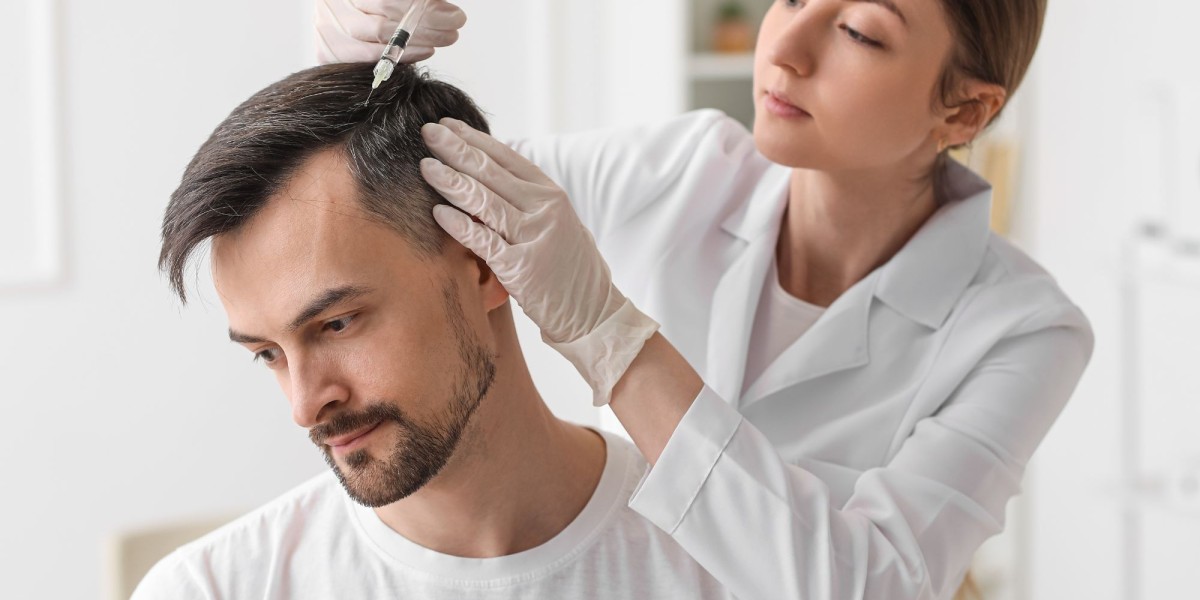

Hair loss has become a common concern among men and women in Pakistan. Factors such as genetics, stress, hormonal changes, nutritional deficiencies, lifestyle habits, and environmental conditions can contribute to thinning hair and excessive shedding. As people increasingly look for advanced, non-surgical options, Exosomes Hair Therapy In Islamabad is gaining attention as a modern approach to supporting hair health and improving the appearance of thinning hair.
Exosome-based treatments have attracted interest because they focus on using signaling components associated with cellular communication and tissue repair. However, it is important to understand that exosome therapy is still an emerging treatment, and results can vary depending on the underlying cause of hair loss and the individual patient.
What Is Exosomes Hair Therapy?
Exosomes are tiny extracellular vesicles involved in communication between cells. They can carry various biological molecules, including proteins and signaling factors. In aesthetic medicine, exosome-based products are being investigated and used as a regenerative approach for skin and hair concerns.
For hair restoration, the goal is generally to support the scalp environment and hair follicles. The treatment may be considered by people experiencing early-stage thinning or certain forms of hair loss after a proper assessment.
Because exosome products and treatment protocols can differ, patients should ask qualified professionals about the specific product being used, its source, preparation, and regulatory status.
Why Is Exosome Hair Therapy Becoming Popular in Pakistan?
Several factors are contributing to the growing interest in this treatment across Pakistan.
Non-Surgical Approach
One of the main attractions is that exosome hair therapy is generally presented as a minimally invasive or non-surgical treatment. People who are not ready for hair transplantation may explore regenerative options as part of their hair-care plan.
Interest in Advanced Hair Treatments
Patients in Islamabad and other major Pakistani cities are becoming more aware of modern aesthetic and regenerative procedures. Social media, online information, and increased access to international beauty trends have also contributed to interest in newer hair treatments.
Focus on Hair Follicle Support
Rather than simply covering thinning areas, regenerative hair treatments aim to support the scalp and hair follicles. This concept appeals to people who want to address hair thinning while maintaining their natural hair.
Potentially Short Treatment Sessions
Depending on the protocol, exosome-based procedures may be completed during relatively short clinical sessions. The exact procedure, number of sessions, and aftercare requirements depend on the treatment approach and the patient's condition.
Growing Concern About Hair Loss
Hair loss can affect confidence and appearance. Many people seek treatment when they notice increased shedding, a widening part, receding hairlines, or reduced hair density. The availability of newer options gives patients more treatments to discuss with a qualified professional.
Who May Consider Exosome Hair Therapy?
Exosome therapy may be considered by adults experiencing certain types of hair thinning, particularly when they want to explore non-surgical approaches. However, it is not suitable for everyone.
Before treatment, a professional should evaluate the cause of hair loss. Conditions such as nutritional deficiencies, thyroid problems, hormonal changes, scalp disorders, or certain medications may require specific management rather than relying solely on an aesthetic treatment.
What Can Patients Expect During Treatment?
The treatment process usually begins with a consultation and scalp assessment. The practitioner may review the patient's medical history, hair-loss pattern, previous treatments, and expectations.
If exosome therapy is considered appropriate, the product is applied or delivered according to the specific clinical protocol. Patients may experience temporary redness, tenderness, swelling, or mild discomfort depending on the technique used.
Following aftercare instructions is important. Patients should avoid unnecessary irritation of the scalp and follow the professional's recommendations regarding washing, exercise, and hair products.
Is Exosome Hair Therapy Effective?
The effectiveness of exosome-based hair treatments is an area of ongoing research. Early studies and clinical reports have generated interest, but stronger, standardized clinical evidence is still needed to establish how effective these treatments are for different types of hair loss.
Results can also differ between individuals. Factors such as the cause and severity of hair loss, age, overall health, and treatment protocol may influence outcomes. Patients should avoid clinics or advertisements that promise guaranteed hair regrowth.
How Does It Compare With Other Hair Treatments?
Pakistan offers several approaches to managing hair loss, including topical medications, oral medications prescribed by doctors, PRP therapy, microneedling, and hair transplantation.
Exosome therapy is different because it is based on extracellular vesicles and their signaling properties. The most suitable option depends on the underlying diagnosis. In some cases, a combination of treatments may be considered by a qualified professional.
FAQs
Is Exosome Hair Therapy painful?
Discomfort depends on the technique used. Some patients may experience mild tenderness, redness, or temporary sensitivity after treatment.
How many sessions are required?
There is no universal number of sessions. The recommended treatment schedule depends on the patient's hair-loss condition and the specific protocol being used.
When can results be seen?
Hair growth is a gradual process, so visible changes generally do not occur immediately. The timeline can vary considerably between individuals.
Is exosome therapy suitable for everyone?
No. A professional evaluation is important because hair loss can have many causes, and exosome therapy may not be appropriate for every patient.
Can exosome therapy replace a hair transplant?
Not necessarily. Exosome therapy and hair transplantation serve different purposes. People with advanced or permanent hair loss may require a different treatment approach.
Final Thoughts
The growing popularity of Exosomes Hair Therapy In Islamabad reflects increasing interest in innovative, non-surgical approaches to hair restoration in Pakistan. While early research is promising, exosome therapy remains an evolving area, and patients should have realistic expectations about possible results. A proper diagnosis and consultation with a qualified professional can help determine whether this treatment is appropriate for a particular type of hair loss.