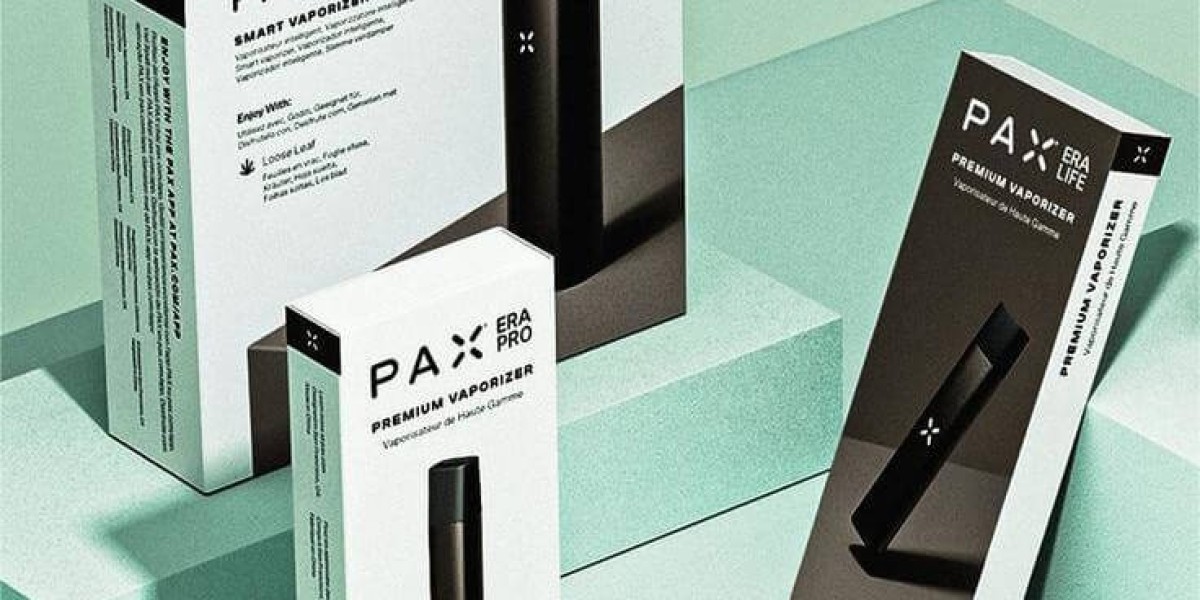

In a competitive vaping market, packaging plays an important role in how customers perceive and remember a brand. Before customers evaluate a product's features or quality, they often encounter its packaging first. A professional design can communicate consistency, quality, and attention to detail while helping a product stand out in a crowded marketplace.
Vape packaging also serves practical purposes. Depending on the product and applicable regulations, packaging may need to provide product information, protect the contents during handling and transportation, and incorporate appropriate safety features. This makes packaging an important part of both the customer experience and the overall brand strategy.
Professional packaging does not simply mean using attractive graphics. It involves selecting suitable materials, creating a recognizable visual identity, organizing information clearly, and designing packaging that reflects the brand's intended market positioning.
This guide explains why professional vape packaging matters for brand recognition and how businesses can use design, materials, printing, consistency, and functionality to create a stronger packaging identity.
What Is Professional Vape Packaging?
Custom vape packaging is packaging designed specifically for vape products while considering branding, protection, presentation, information, and applicable packaging requirements.
Depending on the product, packaging may include:
- Folding cartons
- Rigid boxes
- Tuck boxes
- Sleeve boxes
- Custom inserts
- Window packaging where appropriate
- Child-resistant packaging where required
The exact packaging format should depend on the product, market, regulations, and distribution method.
Why Brand Recognition Matters
Brand recognition helps customers identify a company or product based on recognizable visual elements.
Packaging can reinforce recognition through:
- Logos
- Brand colors
- Typography
- Patterns
- Illustrations
- Product naming
- Consistent box structures
When these elements remain consistent across a product line, customers can more easily associate the packaging with a particular brand.
Create a Strong First Impression
Packaging is often the first physical interaction customers have with a product.
A professional package can communicate:
- Quality
- Organization
- Reliability
- Brand personality
- Attention to detail
A poorly designed package can have the opposite effect, even when the product itself is well manufactured.
The goal should be to create a polished appearance without relying on excessive visual elements.
Build a Consistent Brand Identity
Consistency is one of the most important factors in packaging recognition.
A vape brand can create consistency through:
- Identical logo placement
- Consistent typography
- Defined color palettes
- Repeated graphic elements
- Standardized packaging structures
- Consistent information hierarchy
For example, different flavors or product variations can use distinct secondary colors while retaining the same core brand elements.
This creates a recognizable packaging family.
Choose Appropriate Packaging Materials
Material selection influences both appearance and protection.
Paperboard
Paperboard is commonly used for folding cartons because it offers:
- Lightweight construction
- Good printability
- Custom sizing
- Efficient storage
- Flexible design options
Kraft Board
Kraft board can provide a natural appearance and may suit brands with sustainability-focused positioning.
Rigid Board
Rigid board can create a premium presentation for higher-end product lines.
It offers:
- Strong construction
- Premium appearance
- High-quality print surfaces
- Potential for specialty finishes
The material should always be selected according to the product, distribution requirements, and applicable regulations.
Protect the Product During Distribution
Packaging needs to protect products throughout handling, storage, and transportation.
A properly designed box can help reduce the risk of:
- Scratches
- Crushing
- Movement inside the package
- Surface damage
- General handling damage
Custom inserts can provide additional stability for products and accessories.
Use Custom Inserts
Inserts can organize products inside the box while improving presentation.
Possible options include:
- Paperboard inserts
- Cardboard trays
- Molded pulp
- Protective foam where appropriate
For packaging containing multiple components, inserts can keep everything organized and reduce unnecessary movement.
Use Professional Printing
Printing quality directly influences the appearance of branded packaging.
Important elements may include:
- Logo
- Product name
- Brand identity
- Flavor or variant information
- Required product information
- Instructions
- Relevant warnings and regulatory information
- Company details
Information should be easy to read and presented according to applicable market requirements.
Offset Printing
Offset printing can be suitable for larger production quantities and detailed packaging artwork.
Benefits include:
- Sharp graphics
- Consistent color reproduction
- High-quality imagery
- Professional appearance
Digital Printing
Digital printing can be useful for smaller production runs or limited packaging campaigns.
Benefits include:
- Flexible quantities
- Fast production
- Variable designs
- High-resolution artwork
Add Appropriate Finishing Techniques
Finishing techniques can help create a distinctive package.
Possible options include:
- Matte coating
- Gloss coating
- Soft-touch coating
- Embossing
- Debossing
- Foil effects
- Spot UV
Premium finishes should support the brand's positioning rather than simply adding unnecessary complexity.
Use Color to Differentiate Products
Color can help customers identify different products within a brand's collection.
For example, a company may use a consistent primary brand color while assigning different secondary colors to product variants.
This can make it easier for customers to identify:
- Flavors
- Product lines
- Strengths where legally permitted and appropriate
- Collections
- Limited editions
Color systems should remain consistent across packaging and other brand channels.
Make Packaging Information Easy to Understand
Packaging should organize information logically.
Depending on applicable regulations and the product, information may include:
- Product name
- Ingredients or contents
- Quantity
- Manufacturer details
- Usage information
- Storage information
- Required warnings
- Age restrictions
- Regulatory information
Businesses should verify all required information and packaging rules for their specific market before production.
Packaging Can Influence Perceived Quality
Customers often use visual presentation as one factor when judging product quality.
Premium packaging can communicate:
- Attention to detail
- Brand confidence
- Product positioning
- Consistency
However, packaging should accurately represent the product rather than making unsupported quality claims.
Create a Consistent Customer Experience
Packaging should connect with the rest of the brand.
The visual identity can be carried across:
- Website
- Product pages
- Social media
- Retail displays
- Shipping materials
- Promotional materials
When customers encounter the same visual language across multiple touchpoints, the brand becomes easier to remember.
Design Packaging for Retail Shelves
Retail shelves can contain many competing products.
Professional vape packaging should therefore prioritize:
- Clear branding
- Readable typography
- Strong visual hierarchy
- Appropriate product identification
- Distinctive but compliant design
The packaging should attract attention while ensuring required information remains visible and understandable.
Consider eCommerce Packaging
Online customers experience the physical packaging only after purchasing the product.
For eCommerce brands, packaging can help turn delivery into a branded experience.
Consider:
- Secure packaging
- Protective inserts
- Consistent branding
- Easy opening
- Appropriate shipping protection
The outer shipping package may also need to meet applicable transportation and legal requirements.
Sustainable Packaging Considerations
Brands interested in sustainability can explore:
- Recyclable paperboard
- Recycled-content materials
- Kraft board
- Paper-based inserts
- Water-based inks
- Right-sized packaging
Sustainability claims should be accurate and based on the actual materials and disposal systems available in the target market.
Compliance Should Be Part of the Design Process
Vape products are subject to different laws and packaging requirements depending on the country, region, product type, and intended market.
Packaging may need to address requirements relating to:
- Age restrictions
- Health warnings
- Product information
- Child-resistant features where required
- Labeling
- Marketing restrictions
Brands should consult the applicable laws and qualified regulatory professionals before finalizing packaging artwork.
Common Vape Packaging Mistakes
Businesses should avoid:
- Inconsistent branding
- Poor-quality printing
- Difficult-to-read information
- Weak structural protection
- Incorrect packaging dimensions
- Unsupported sustainability claims
- Ignoring applicable labeling requirements
- Using inappropriate packaging for the product
Professional packaging should combine branding, functionality, protection, and compliance.
Frequently Asked Questions
Why is professional vape packaging important?
Professional packaging can strengthen brand recognition, improve product presentation, protect products during handling, and communicate important product information.
How does vape packaging improve brand recognition?
Consistent logos, colors, typography, graphics, and box structures help customers associate packaging with a specific brand.
What materials can be used for vape boxes?
Paperboard, kraft board, rigid board, and other suitable packaging materials can be used depending on product requirements and applicable regulations.
Can custom vape boxes include inserts?
Yes. Custom inserts can organize products and accessories while helping reduce movement inside the package.
Can premium finishes be used on vape packaging?
Yes. Depending on the market and applicable rules, finishes such as matte coating, gloss, embossing, debossing, Spot UV, and foil effects may be available.
Is sustainable vape packaging possible?
Yes. Recyclable paperboard, recycled-content materials, kraft board, paper-based inserts, and right-sized packaging can support sustainability objectives where appropriate.
What information should vape packaging include?
Requirements vary by market and product. Packaging may need product information, warnings, manufacturer details, age restrictions, and other legally required labeling.
Is custom vape packaging suitable for eCommerce?
Yes. Brands can use protective structures and custom designs for online orders, provided the packaging complies with applicable shipping and legal requirements.
How can brands make vape packaging more recognizable?
Developing a consistent visual system using the same logo, typography, colors, graphic elements, and packaging structures across the product range can improve recognition.
How do I choose a vape packaging manufacturer?
Look for a manufacturer experienced with the relevant packaging format and market requirements, offering appropriate materials, custom dimensions, quality printing, structural options, and consistent quality control.
Conclusion
Professional vape packaging can play an important role in building brand recognition and creating a consistent customer experience. A well-designed package can make products easier to identify, communicate important information, protect contents during distribution, and reinforce the brand's visual identity.
The strongest packaging strategies focus on consistency rather than simply adding decorative elements. Recognizable colors, typography, logos, structural designs, and clear information can create a packaging system that customers associate with the brand.
Businesses should also consider material selection, inserts, printing quality, sustainability, eCommerce requirements, and applicable regulations when developing packaging. By combining professional design, functional protection, consistent branding, and compliance, brands can turn their packaging into a valuable part of their overall product experience.