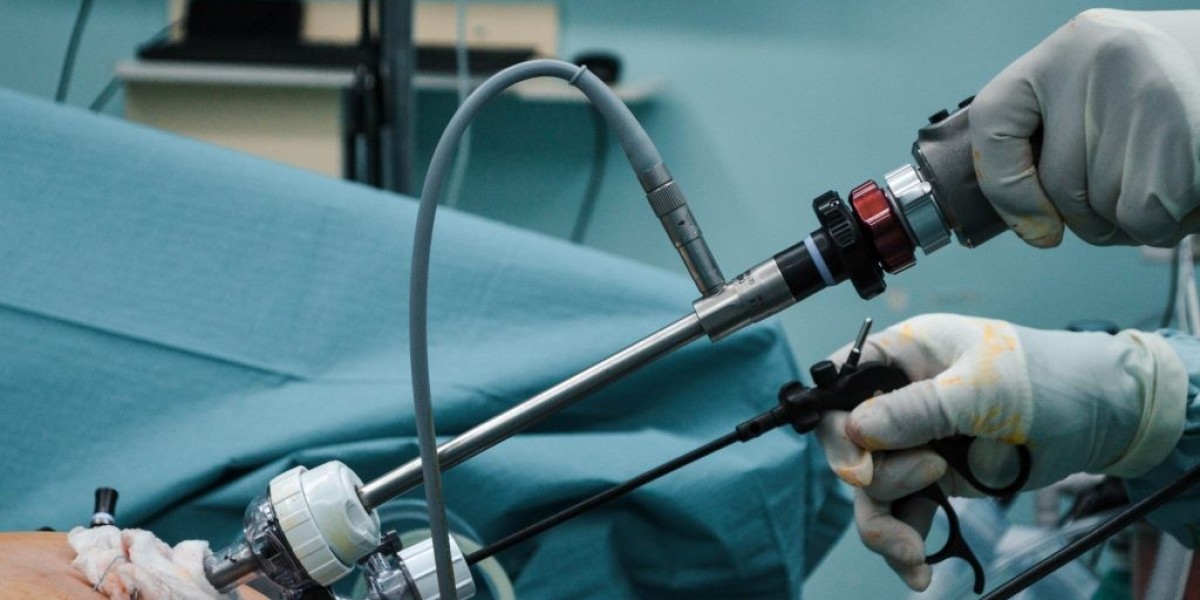

Laparoscopic surgery, commonly called keyhole surgery, is a minimally invasive approach used to diagnose and treat several conditions affecting the abdomen and pelvis. Instead of making one large incision, surgeons use small cuts through which a laparoscope and specialized instruments are inserted. A camera attached to the laparoscope provides a magnified view of internal organs on a monitor.
For patients considering Laparoscopic Surgery in Islamabad, understanding the procedure, its benefits, possible risks, recovery, and suitability can help them have a more informed discussion with their healthcare provider.
What Is Laparoscopic Surgery?
Laparoscopic surgery involves making small incisions, usually around the abdomen, and inserting a thin camera called a laparoscope. Carbon dioxide gas may be introduced into the abdomen to create enough space for the surgeon to see and operate safely. Additional small incisions can be used for surgical instruments.
Unlike traditional open surgery, which generally requires a larger incision, laparoscopy is designed to minimize tissue disruption. It can be used for both diagnostic procedures and treatments, depending on the patient's condition.
What Conditions Can Laparoscopic Surgery Treat?
Laparoscopic techniques are used for a wide range of abdominal and pelvic procedures. Depending on the patient's diagnosis, they may be considered for:
- Gallbladder removal
- Appendix removal
- Hernia repair
- Certain weight-loss procedures
- Treatment of some gynecological conditions
- Removal or treatment of certain abdominal organs
- Diagnostic examination of abdominal or pelvic problems
The appropriate surgical approach depends on the condition, its severity, previous surgeries, overall health, and the surgeon's assessment.
What Are the Benefits of Laparoscopic Surgery?
One of the main reasons laparoscopic techniques are preferred for suitable procedures is their minimally invasive nature. Smaller incisions can mean less disruption to surrounding tissues compared with traditional open surgery.
Potential benefits include smaller scars, reduced postoperative discomfort, shorter hospital stays, and faster recovery for many procedures. However, the exact benefits vary depending on the operation and individual patient.
Another advantage is that many laparoscopic procedures can allow patients to return to everyday activities sooner than they might after comparable open surgery. Nevertheless, recovery should always follow the instructions provided by the surgical team.
Who May Be a Good Candidate?
Laparoscopic surgery may be suitable for patients who require a procedure that can safely be performed using minimally invasive techniques. Your healthcare provider will generally review your medical history, current medications, previous operations, general health, and the condition requiring treatment.
Certain circumstances can make laparoscopy more challenging or unsuitable. For example, extensive abdominal scar tissue, some bleeding disorders, certain advanced diseases, or other medical factors may influence whether this approach is recommended.
Therefore, being interested in keyhole surgery does not automatically mean that it is the right option. A qualified surgical assessment is essential.
What Should You Expect During the Procedure?
Laparoscopic procedures are commonly performed under general anesthesia, meaning the patient is asleep during surgery. The surgeon makes a small incision, usually near the belly button, and inserts the laparoscope. Additional small incisions may be created if surgical instruments are required.
After the procedure, the instruments are removed and the small incisions are closed using stitches, clips, tape, or other appropriate methods.
The duration varies considerably depending on whether laparoscopy is being used for diagnosis or a specific surgical treatment.
Recovery After Laparoscopic Surgery
Recovery depends on the type and complexity of surgery. Some patients can leave the hospital on the same day or the following day, while more complex procedures may require a longer stay.
Temporary symptoms may include abdominal discomfort, bloating, tiredness, bruising around the incision sites, or shoulder discomfort caused by the gas used during the procedure.
Patients should follow their surgeon's instructions regarding wound care, physical activity, medication, diet, and returning to work or driving. Recovery after diagnostic laparoscopy can be considerably shorter than recovery following more extensive laparoscopic surgery.
Are There Any Risks?
Although laparoscopic surgery is widely used, it is still surgery and carries potential risks. Possible complications include bleeding, infection, injury to an internal organ, hernia, or complications related to anesthesia. In some situations, the surgeon may need to convert a laparoscopic procedure into traditional open surgery if this is considered safer.
Your individual risks depend on your health and the specific operation being performed. Discussing these risks beforehand can help you make an informed decision.
Questions to Ask Before Laparoscopic Surgery
Before scheduling surgery, consider asking your healthcare provider:
- Why is laparoscopic surgery recommended for my condition?
- Are there alternatives to surgery?
- What are the potential benefits and risks?
- How long might my recovery take?
- Could open surgery become necessary?
- What restrictions will I have after the procedure?
Clear communication can help you understand what to expect and prepare appropriately.
Frequently Asked Questions
Is laparoscopic surgery safer than open surgery?
For many suitable procedures, laparoscopy can offer advantages such as smaller incisions and faster recovery. However, safety depends on the patient's condition and the specific procedure.
How long does it take to recover from laparoscopic surgery?
Recovery varies according to the operation. Some diagnostic procedures have relatively short recovery periods, while more complex surgery may take several weeks for full recovery.
Will laparoscopic surgery leave scars?
Laparoscopy uses small incisions, so the resulting scars are generally smaller than those associated with traditional open surgery. Their appearance varies from person to person.
Can laparoscopic surgery be converted to open surgery?
Yes. If the surgeon encounters circumstances that make continuing laparoscopically unsafe or unsuitable, conversion to open surgery may be necessary.
How do I know whether I am suitable for laparoscopic surgery?
Suitability can only be determined after reviewing your medical condition, medical history, investigations, and the specific procedure required. A consultation with a qualified surgeon is the best way to assess your options.
Final Thoughts
Laparoscopic surgery can provide an effective minimally invasive option for many abdominal and pelvic conditions, with potential advantages such as smaller incisions and quicker recovery. However, it is not appropriate for every patient or every procedure. If you are considering Laparoscopic Surgery in Islamabad, discuss your diagnosis, treatment options, expected recovery, and individual risks with a qualified healthcare professional before making a decision.