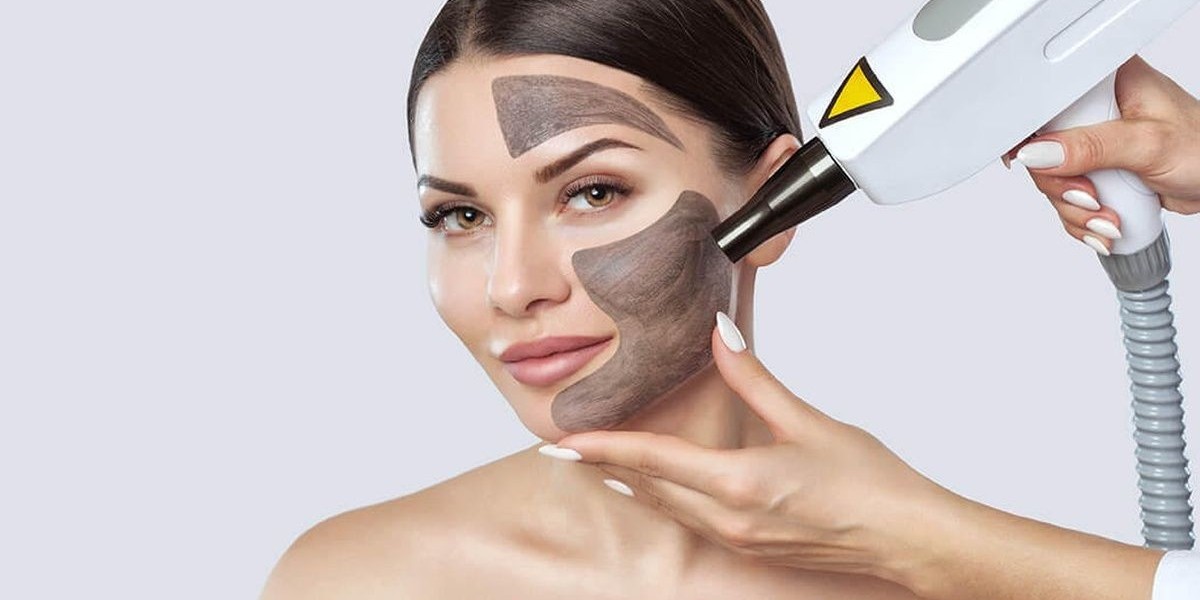

If your skin looks dull, oily, uneven, or tired, a Laser Carbon Peel in Islamabad may be an option worth discussing with a qualified skin specialist. Also known as a carbon laser peel or “Hollywood peel,” this non-invasive cosmetic treatment combines a carbon-based lotion with laser energy to exfoliate the skin and improve its overall appearance. Research suggests carbon peeling may help improve skin texture, enlarged pores, acne lesions, and the appearance of fine lines, although available studies are still relatively limited.
What Is a Laser Carbon Peel?
A laser carbon peel is a superficial skin-rejuvenation procedure. A layer of liquid carbon is applied to the skin and allowed to sit for several minutes. A laser is then passed over the treated area, targeting the carbon particles and helping remove surface debris, oil, and dead skin cells.
The treatment is designed to provide exfoliation while also addressing excess oil and clogged pores. Some clinical research has reported improvements in acne lesions, pore appearance, wrinkles, and overall skin quality following carbon peel treatments.
What Skin Concerns Can It Address?
Laser carbon peels are commonly considered for people concerned about:
- Oily or congested skin
- Enlarged pores
- Mild acne
- Dull complexion
- Uneven skin texture
- Mild pigmentation concerns
- Fine lines and early signs of skin aging
However, results can vary according to skin type, the specific concern being treated, and the laser settings selected. Laser treatments are not equally effective for every skin condition, so an individual assessment is important.
What Should Patients Know Before Treatment?
A consultation should come before the procedure. Your skin specialist should evaluate your skin type, current condition, medical history, medications, previous cosmetic treatments, and expectations.
This is particularly important for people with darker skin tones because some laser treatments can increase the risk of burns or post-inflammatory darkening when inappropriate settings are used. The American Academy of Dermatology recommends choosing a qualified dermatologist experienced in treating different skin tones.
Patients should also mention any medicines, supplements, recent skin treatments, history of cold sores, or tendency to develop scars. Providing complete information allows the practitioner to determine whether the treatment is appropriate and how it should be performed safely.
How to Prepare for a Carbon Peel
Preparation is generally straightforward, but your provider may give personalized instructions based on your skin condition. Avoid unnecessary sun exposure and protect your skin with broad-spectrum sunscreen. A recent tan or sunburn can increase the risk of complications with laser treatments.
You may also be advised to temporarily avoid certain irritating skincare products. Do not stop prescription medicines unless your healthcare professional specifically tells you to do so.
What Happens During the Treatment?
The skin is first cleansed to remove makeup, oil, and other impurities. The carbon solution is then applied evenly to the treatment area. After it has dried or settled, the practitioner uses an appropriate laser to target the carbon particles.
The laser energy interacts with the carbon layer, helping remove the carbon along with surface impurities. The exact technique, laser settings, and treatment duration can vary depending on the patient's skin and treatment goals.
Because the procedure is generally superficial, many patients experience little downtime. However, individual reactions differ, and your provider should explain what to expect beforehand.
What Results Can Patients Expect?
After treatment, the skin may appear smoother, cleaner, and brighter. Some patients may notice an improvement in oiliness and pore appearance, while acne-prone skin may also benefit.
It is important not to expect permanent results from one session. Carbon peeling is primarily a skin-rejuvenation treatment, and multiple sessions may sometimes be recommended depending on the desired outcome. Research supporting carbon peel treatments is promising but remains limited, with some studies based on relatively small patient groups.
Possible Side Effects and Risks
Although laser carbon peeling is generally considered a minimally invasive cosmetic procedure, it is not completely risk-free. Temporary redness, sensitivity, warmth, or mild irritation can occur.
More significant complications can occur if laser settings are unsuitable or the procedure is performed by someone without appropriate medical expertise. Laser treatments can potentially cause burns, pigmentation changes, or scarring.
Following aftercare instructions and protecting the treated skin from sunlight can help support recovery.
Aftercare Tips
After a carbon peel, patients should keep their skincare routine gentle and avoid unnecessary irritation. Your provider may recommend avoiding harsh exfoliants or active ingredients for a short period.
Daily sunscreen is particularly important. Sun exposure can worsen pigmentation and interfere with the healing process after laser treatment.
Frequently Asked Questions
Is a laser carbon peel suitable for oily skin?
It may be suitable for people with oily or congested skin because the treatment can help address surface impurities and excess sebum. A consultation is still necessary to determine whether it is appropriate for your skin.
Does a carbon peel help with acne?
Research indicates that carbon peel laser treatment may improve acne lesions and reduce oil-related congestion. However, it should not automatically be considered a replacement for medical acne treatment.
How many carbon peel sessions are needed?
The number of sessions varies according to the patient's skin condition and goals. Your dermatologist can recommend an appropriate treatment schedule after assessing your skin.
Is there downtime after a laser carbon peel?
Many patients experience minimal downtime, although temporary redness or sensitivity may occur. Your actual recovery can depend on your skin and the treatment settings used.
Can people with darker skin have a carbon peel?
People with darker skin can receive certain laser treatments, but careful assessment and appropriate laser settings are important because darker skin may have a greater risk of burns and pigmentation changes.
Final Thoughts
A carbon laser peel can be a useful option for patients looking for a non-invasive approach to improve skin texture, oiliness, pore appearance, and overall radiance. However, realistic expectations and professional assessment are essential. If you are considering Laser Carbon Peel in Islamabad , choose a qualified practitioner who can evaluate your skin type, explain potential benefits and risks, and create an appropriate treatment plan for your individual needs.