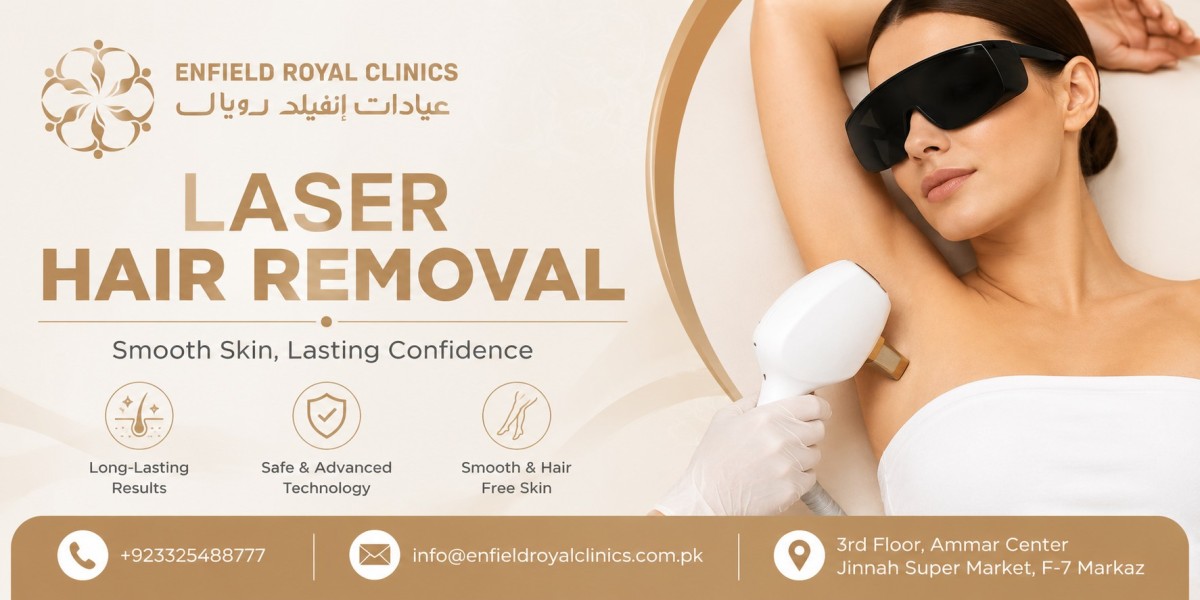

Laser Hair Removal can be an effective option for reducing unwanted facial hair and minimizing the need for frequent shaving, threading, waxing, or other temporary methods. Facial hair can be particularly frustrating because it may grow quickly and require regular maintenance. Laser treatment works by targeting the hair follicle with controlled light energy, gradually reducing its ability to produce new hair.
Although facial treatment is possible for many people, the face requires careful handling because the skin can be sensitive and facial hair growth may be influenced by hormones. A personalized assessment can help determine whether treatment is suitable and what results may realistically be expected.
How Does Laser Treatment Work on Facial Hair?
The laser delivers concentrated light energy toward the pigment within the hair follicle. This energy is converted into heat and can damage the follicle enough to reduce future hair production.
Facial hair often contains visible pigment, which allows the laser to identify the target. Over a series of appointments, treated follicles may become less active, resulting in slower growth and finer or less noticeable hair.
Because facial hair grows in different cycles, one session cannot target every follicle effectively. Multiple treatments are usually needed to achieve a meaningful reduction.
Which Facial Areas Can Be Treated?
Laser treatment may be suitable for several areas of the face, including the upper lip, chin, jawline, sideburns, and cheeks.
The suitability of each area depends on factors such as hair thickness, skin tone, hair color, and the reason for the unwanted growth. Areas with darker, coarser hair may respond differently from regions covered with very fine hair.
The eyebrows and areas immediately around the eyes generally require special caution because laser energy should not be directed close to the eye without appropriate professional techniques and protective measures.
Is Facial Treatment Different From Body Treatment?
Yes. Facial skin can be more delicate and may be more sensitive than areas such as the legs or arms. Facial hair can also be more strongly influenced by hormones, which may affect long-term results.
Treatment settings therefore need to be selected carefully. The practitioner should consider skin tone, hair characteristics, recent sun exposure, and the specific facial area being treated.
The face may also require a different treatment schedule from the body because growth rates and hormonal influences are not identical.
Can It Treat Hormonal Facial Hair?
Laser treatment may help reduce facial hair associated with hormonal changes, but hormonal factors can influence how the hair responds and whether new growth appears later.
Areas such as the chin, neck, and jawline may be particularly affected by hormonal activity. A person may experience significant reduction in existing hair while developing new growth from previously inactive follicles.
When excessive facial hair develops suddenly, becomes significantly worse, or is accompanied by other concerning symptoms, discussing the underlying cause with a qualified healthcare professional can be appropriate.
Who Is a Good Candidate?
A suitable candidate is generally someone who wants to reduce unwanted facial hair and understands that treatment usually provides long-term reduction rather than guaranteed complete permanent removal.
Hair color is an important consideration. Darker hair tends to respond better because the laser targets pigment. Very light blonde, gray, or white hair may respond poorly because there is less pigment for the laser to absorb.
Skin tone also matters when selecting the appropriate device and treatment settings. Modern technology can accommodate many complexions, but darker skin requires careful wavelength and energy selection to reduce the risk of pigmentation changes.
How Many Sessions Are Needed?
The exact number varies from person to person. Several sessions are generally required because facial hair follicles are active at different stages of their growth cycle.
Some individuals notice a reduction after the first few appointments, while others need additional sessions to reach their desired level of improvement. Factors such as hair thickness, density, hormonal activity, skin type, and treatment consistency can affect the overall course.
Maintenance treatments may also be needed when new facial hair develops over time.
What Results Can You Expect?
Results usually develop gradually rather than immediately after one treatment. After a session, treated hairs may shed over the following days or weeks.
With continued treatment, many people notice that facial hair grows more slowly and becomes finer or less dense. The amount of reduction varies according to individual biology and hair characteristics.
It is important to have realistic expectations. The goal is generally long-term hair reduction, not a promise that every facial hair follicle will permanently disappear.
Is the Procedure Painful?
Facial treatment may produce a brief snapping, pinching, or warm sensation as each pulse is delivered. Comfort varies depending on the individual's sensitivity, hair thickness, and area being treated.
The upper lip and chin may feel more sensitive than broader areas of the cheeks or sideburns. Many modern devices include cooling systems that help reduce heat and improve comfort.
Tell the practitioner if treatment becomes unexpectedly painful so the settings or cooling approach can be reassessed when appropriate.
What Should You Do Before Facial Treatment?
Preparation is important because facial skin can be sensitive. Avoid waxing, threading, and plucking the hair from the root before treatment when advised by your provider.
Shaving may be recommended instead because it leaves the follicle intact while removing hair from the surface. Avoid excessive sun exposure and inform the practitioner about recent tanning.
You should also discuss active skincare products, particularly strong exfoliating ingredients or prescription treatments, before your appointment. Do not stop prescribed medication without professional guidance.
What Happens After the Session?
Mild redness, warmth, or small areas of swelling around the follicles can occur after facial treatment. These effects are often temporary.
Use only skincare products recommended by your provider immediately afterward, particularly if the skin feels sensitive. Avoid aggressive exfoliation, unnecessary rubbing, and excessive sun exposure.
Daily sun protection is especially important for facial skin because UV exposure can increase the risk of unwanted pigmentation changes after treatment.
Is It Safe for Sensitive Skin?
People with sensitive skin may still be suitable candidates, but treatment should be carefully customized. A professional assessment can identify active irritation, recent sun exposure, or other factors that may make treatment unsuitable at a particular time.
A patch test may also be recommended, depending on the person's skin type and the clinic's treatment protocol. This allows the provider to observe the response before treating a larger area.
Choosing appropriate equipment and experienced professional care can help reduce avoidable complications.
Final Thoughts
Laser Hair Removal can be an effective way to reduce unwanted facial hair and make regular grooming less demanding. It works by targeting the hair follicle and gradually reducing future growth through a series of treatments.
Results can vary because facial hair is strongly influenced by hair color, skin tone, growth cycles, and hormonal factors. For the best approach, a professional consultation should be completed before treatment so the appropriate technology, settings, and treatment schedule can be selected for your individual needs.
For more information visit Enfield royal clinic in islamabad