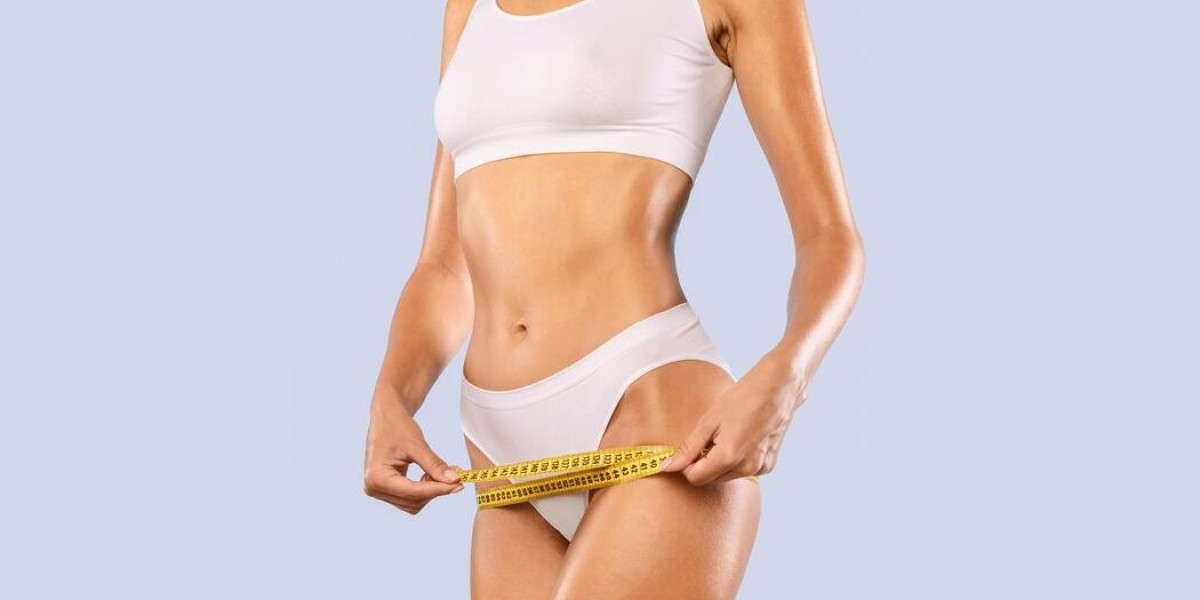

Body contouring has become an increasingly considered option for people who want to improve body shape after significant weight loss, pregnancy, aging, or changes in skin elasticity. While healthy eating and exercise can improve fitness and reduce body fat, they may not completely address loose skin or certain stubborn areas. Body Contouring in Islamabad can help reshape selected areas by removing excess skin and, depending on the procedure, addressing localized fat.
What Is Body Contouring?
Body contouring refers to cosmetic procedures designed to improve the shape and proportions of specific areas of the body. Depending on individual needs, treatment may involve procedures such as tummy tuck, arm lift, thigh lift, lower-body lift, or other surgical techniques. Some treatment plans may also incorporate liposuction when appropriate.
Surgical body contouring is particularly relevant after major weight loss because skin may lose elasticity and fail to conform to the body's new size. The goal is generally to create smoother and more balanced body contours rather than provide a method for significant weight loss.
Who May Be a Good Candidate?
Body contouring may be suitable for adults who have reached a relatively stable weight and are generally healthy enough for the proposed procedure. People who don't smoke and have realistic expectations may also be better candidates.
A consultation is important because suitability depends on factors such as overall health, skin quality, the amount and location of excess skin, previous surgeries, and personal goals. People who are still actively losing substantial amounts of weight may be advised to reach a stable weight before considering surgery.
Why Consider Body Contouring?
One of the main reasons people consider body contouring is difficulty with excess or sagging skin after weight loss. Loose skin can affect how clothing fits and may make some individuals feel uncomfortable about their appearance.
Depending on the selected procedure, body contouring can improve the appearance of areas such as the abdomen, arms, thighs, buttocks, and other regions affected by excess skin. The objective is to create more defined and proportionate contours while maintaining realistic expectations.
Is Body Contouring a Weight-Loss Treatment?
No. Body contouring should not be considered a substitute for weight management. Its primary purpose is to reshape specific areas rather than produce substantial weight loss.
If someone has excess body fat but relatively good skin elasticity, a different approach may sometimes be considered. On the other hand, significant loose skin may require a skin-removal procedure. A qualified professional can assess the individual's anatomy and recommend an appropriate option.
What Should You Expect During Recovery?
Recovery varies according to the procedure, the number of areas treated, and the individual's healing process. Surgical procedures may involve swelling, bruising, discomfort, temporary numbness, dressings, and activity restrictions.
Patients should follow their aftercare instructions carefully and attend recommended follow-up appointments. Depending on the procedure, compression garments or other postoperative measures may be recommended. Returning to exercise and strenuous activities should be based on professional medical guidance rather than personal preference.
What Are the Possible Risks?
Like other surgical procedures, body contouring has potential risks. These can include bleeding, infection, fluid accumulation, blood clots, anesthesia-related complications, changes in skin sensation, poor wound healing, scarring, and contour irregularities.
This does not mean complications will occur, but understanding the risks is an important part of making an informed decision. Patients should discuss their medical history, medications, previous procedures, and individual risk factors during consultation.
How to Decide If It Is Right for You
The decision should be based on your goals, health, weight stability, skin condition, expectations, and willingness to complete the recovery process. Choosing an appropriately qualified plastic surgeon and an accredited surgical facility is also an important safety consideration.
A consultation allows you to discuss the areas you want to improve, understand available options, learn about expected recovery, and determine whether the potential benefits are appropriate for your situation.
Frequently Asked Questions
Is body contouring suitable after weight loss?
It can be, particularly when a person has stable weight and significant loose or sagging skin. A professional assessment is necessary to determine suitability.
Does body contouring remove all excess fat?
Not necessarily. Body contouring primarily focuses on improving body shape and addressing excess skin. The exact treatment depends on the patient's anatomy and goals.
How long does body contouring recovery take?
Recovery varies considerably depending on the procedure and extent of treatment. Your surgeon should provide individualized guidance about returning to work, exercise, and normal activities.
Are the results of body contouring permanent?
The removal of excess skin is long-lasting, but future weight fluctuations, pregnancy, aging, and lifestyle changes can affect body contours over time.
What should I discuss during a consultation?
Discuss your goals, medical history, medications, previous surgeries, expected results, recovery, possible complications, and the recommended surgical technique.
Final Thoughts
Body contouring can be a useful option for people who are bothered by excess skin or unwanted changes in body shape, particularly after significant weight loss. However, it is not a replacement for healthy weight management, and the right procedure depends on individual needs. If you are considering Body Contouring in Islamabad , a thorough consultation with a qualified professional can help you understand your options, potential benefits, risks, and expected recovery before making a decision.