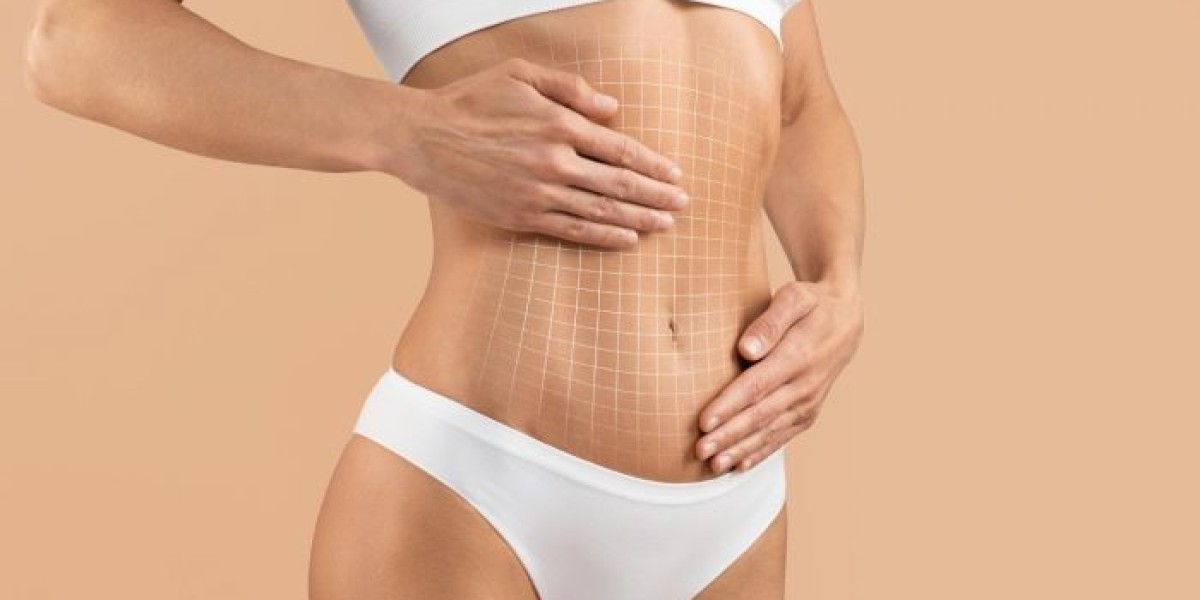

For many people, losing weight or completing pregnancy does not always mean getting rid of excess abdominal tissue. Stretched skin, weakened abdominal muscles, and stubborn tissue can remain even after adopting a healthier lifestyle. For suitable candidates, Tummy Tuck in Islamabad can address selected excess abdominal tissue and help create a smoother, firmer, and more balanced abdominal contour.
What Is Excess Abdominal Tissue?
Excess abdominal tissue can include loose skin, stretched tissue, and, in some cases, underlying fat that contributes to an uneven abdominal appearance. It is commonly seen after pregnancy, significant weight loss, or repeated changes in body weight.
Loose skin is different from ordinary body fat. When the skin has been stretched significantly and loses its ability to contract, diet and exercise may not be enough to remove it.
The amount and location of excess tissue vary from person to person. Some individuals have loose skin mainly below the belly button, while others have tissue extending across the abdomen and toward the sides.
Why Does Excess Tissue Develop?
Several factors can cause the abdominal skin and tissues to stretch. Pregnancy is one of the most common reasons, as the abdomen expands considerably over several months.
Significant weight loss can also leave behind excess skin. When the body becomes smaller but the stretched skin cannot contract sufficiently, folds or hanging tissue may remain.
Age and genetics can also influence skin elasticity. Some people naturally have more resilient skin, while others may develop noticeable laxity after relatively moderate changes in weight.
Tummy Tuck in Islamabad: What Can It Address?
People considering Tummy Tuck in Islamabad often want to understand exactly how the procedure deals with unwanted abdominal tissue. Abdominoplasty is primarily a body-contouring procedure designed to remove selected excess skin and improve the shape of the abdomen.
- Excess loose skin: Stretched abdominal skin can be surgically removed.
- Lower-abdominal tissue: Tissue concentrated below the belly button can often be addressed effectively.
- Abdominal muscle laxity: When appropriate, separated or weakened muscles may be repaired.
- Uneven abdominal contours: Removing excess tissue can create a smoother profile.
- Post-pregnancy changes: Skin and abdominal wall changes following pregnancy can be addressed in suitable candidates.
- Post-weight-loss skin: Significant loose skin after major weight reduction may be removed.
The procedure is customised to each patient's anatomy. Not everyone needs the same amount of tissue removal or the same surgical technique.
How Is Excess Skin Removed?
During a tummy tuck, the surgeon makes a carefully planned incision in the lower abdominal area. The location and length depend on the patient's anatomy and the amount of excess skin that needs to be removed.
The abdominal skin is then carefully separated from the underlying tissues, allowing the surgeon to reposition the remaining tissue and remove the selected excess.
The objective is controlled tissue removal rather than simply removing as much skin as possible. Appropriate planning helps maintain healthy tissue and supports a balanced abdominal contour.
What Happens to the Remaining Skin?
After excess tissue is removed, the remaining abdominal skin can be repositioned to create a smoother surface. The surgeon carefully considers how much tension should be placed on the tissue.
Skin quality plays an important role in how the abdomen settles after surgery. Patients with different levels of elasticity may experience different healing and contouring patterns.
The surgeon must balance skin removal with safe tissue tension. Excessive tightening is not necessarily better and may create an unnatural appearance or increase healing concerns.
Can a Tummy Tuck Address Abdominal Muscles?
Excess skin is only one part of the abdominal contour. Pregnancy and major weight changes can sometimes weaken or separate the underlying abdominal muscles.
When muscle separation is present, repair may be incorporated into the procedure. This can help improve the structure and support of the abdominal wall.
However, muscle repair is not automatically required for every patient. A physical examination is necessary to determine whether the abdominal muscles need attention.
Excess Tissue After Pregnancy
Pregnancy can significantly stretch the abdominal skin and supporting tissues. After childbirth, some women find that the abdomen remains loose or protruding even after returning to their previous weight.
Post-pregnancy tissue changes can be difficult to correct through exercise alone. A tummy tuck may be considered when excess skin and abdominal laxity remain after the body has adequately recovered.
Women should also consider whether they plan to have more children. Another pregnancy can stretch the abdominal tissues again and potentially affect the results of surgery.
Excess Tissue After Major Weight Loss
Major weight loss is an important achievement, but it can sometimes leave substantial amounts of loose skin around the abdomen. This can make clothing uncomfortable and may prevent the person from achieving the body contour they expected after losing weight.
A tummy tuck can remove selected skin that no longer contracts naturally. It is particularly considered for people who have reached a stable weight but continue to experience significant abdominal skin laxity.
The procedure is not a substitute for weight management. Patients should ideally have a stable weight before undergoing body-contouring surgery.
The Difference Between Fat and Excess Skin
It is important to understand that a tummy tuck is not primarily a fat-removal procedure. Its main purpose is to remove excess skin and improve abdominal contour.
Fat and loose skin require different approaches. If a patient has localised fat deposits along with excess skin, the surgeon may discuss whether additional contouring techniques could be appropriate.
The treatment plan should always be based on the patient's anatomy and goals rather than assuming that every abdominal concern requires the same procedure.
Can Exercise Remove Excess Abdominal Tissue?
Regular exercise can strengthen the abdominal muscles and support overall health. It may also help reduce body fat when combined with appropriate nutrition and lifestyle habits.
However, exercise cannot reliably eliminate significant quantities of loose skin. Once skin has been stretched beyond its ability to contract, strengthening the muscles underneath may not remove the overlying tissue.
This is one reason some people continue to have a loose abdominal appearance despite being physically active and maintaining a healthy weight.
Creating a Natural-Looking Contour
The purpose of removing excess abdominal tissue is not to create an identical body shape for everyone. Instead, the surgeon aims to improve the patient's existing proportions.
Natural-looking results depend on balance and personalised planning. The abdomen should complement the waist, hips, and surrounding body rather than appearing excessively tight.
The amount of tissue removed, muscle repair, incision placement, and skin repositioning all contribute to the final contour.
How Skin Elasticity Influences Results
Skin elasticity varies between individuals. Younger skin may generally have greater elasticity, while ageing, pregnancy, weight fluctuations, and sun exposure can affect its ability to contract.
A tummy tuck removes excess skin but does not restore the skin's natural elasticity. This is why a surgeon needs to assess skin quality before developing the surgical plan.
Patients should understand that the abdomen will continue to age naturally after surgery. Maintaining a stable weight can help protect the improved contour.
Recovery After Excess Tissue Removal
Recovery depends on the extent of the procedure and whether additional techniques, such as muscle repair, are performed. Swelling, tightness, bruising, and temporary discomfort may occur during the early stages.
Following your surgeon's postoperative instructions is essential. Patients may need to limit strenuous exercise, heavy lifting, and certain movements while the tissues heal.
It is also helpful to arrange assistance with household tasks during the initial recovery period. Follow-up appointments allow the surgical team to monitor healing and provide personalised guidance.
Maintaining Your Results
A tummy tuck can provide long-lasting improvement, but future changes in body weight can affect the abdominal contour. Significant weight gain or loss may stretch the remaining skin.
Stable weight is one of the most important factors for maintaining body-contouring results. Once cleared by your surgeon, regular exercise and balanced nutrition can support your overall health.
Natural ageing will also continue, but removing substantial excess tissue can provide a lasting improvement in abdominal appearance.
Is Tummy Tuck Right for You?
The best way to determine whether a tummy tuck is suitable is through an individual consultation. Your surgeon can assess the amount of excess tissue, skin elasticity, abdominal muscles, weight stability, and overall health.
The right procedure depends on your specific body rather than a generic treatment plan. A detailed assessment can also help you understand realistic results, recovery requirements, scarring, and potential risks.
Taking time to understand the procedure before making a decision can make the entire treatment journey more informed and comfortable.
Final Thoughts
Excess abdominal tissue can remain after pregnancy, significant weight loss, or years of weight fluctuations, even when a person follows a healthy lifestyle. For suitable candidates, Tummy Tuck in Islamabad can remove selected excess skin, address appropriate abdominal muscle laxity, and improve the overall contour of the midsection.
For patients considering treatment, Dynamic Aesthetic Clinic offers cosmetic surgery expertise, board-certified surgeons, and advanced techniques relevant to personalised tummy tuck procedures and abdominal contouring.