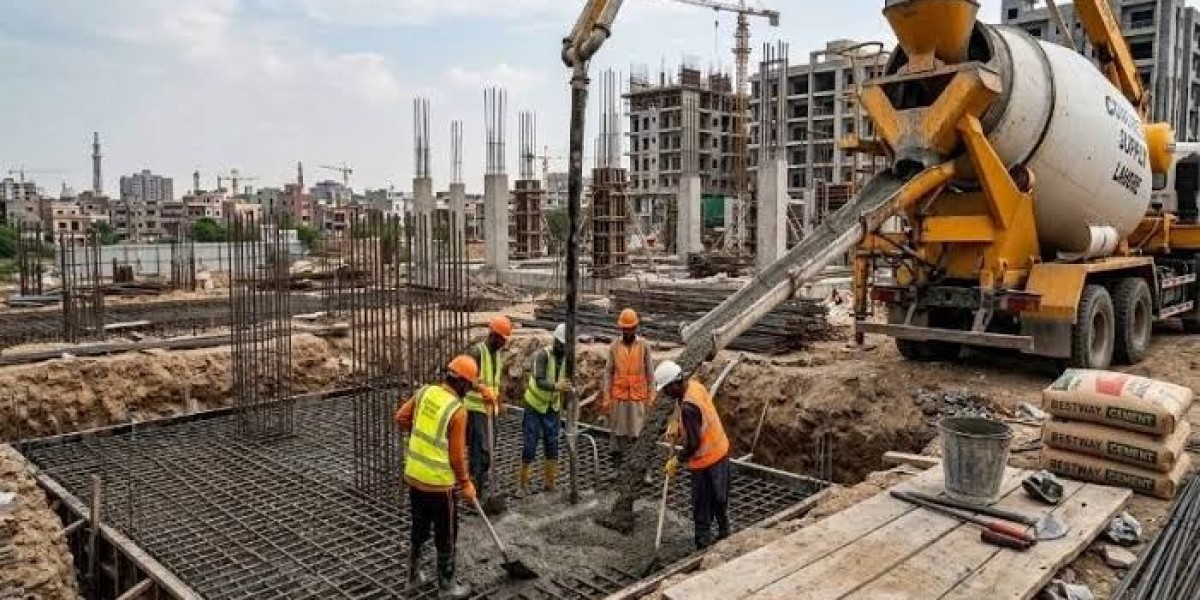

Concrete is one of the most widely used construction materials for driveways, foundations, patios, sidewalks, slabs, and other residential and commercial projects. When planning a construction project, understanding the cost of concrete is important because material expenses can make up a significant part of the overall budget. Concrete prices can vary depending on the type of concrete, project size, location, labor, delivery distance, and current market conditions.
What Is the Cost of Concrete?
The cost of concrete is usually calculated by the cubic yard or cubic meter, depending on the region and supplier. Ready-mix concrete is commonly priced according to the amount required for a project. Basic concrete may cost less, while specialty mixes designed for high strength, fast setting, or extreme weather conditions can be more expensive.
For a small residential project, the price may also include minimum-order charges. This means that even if you need only a small amount of concrete, the supplier may charge a minimum fee. Therefore, it is important to ask the concrete supplier about both the material price and any additional charges before placing an order.
Factors That Affect the Cost of Concrete
Several factors can influence the final price of concrete. Understanding these factors can help homeowners and contractors prepare a more accurate construction budget.
1. Type of Concrete
The type and strength of concrete can have a major impact on price. Standard concrete used for sidewalks or patios is generally more affordable than high-strength concrete used for foundations, structural columns, or heavy-duty surfaces.
Special mixes may include additives that improve durability, strength, workability, or setting time. These additional features can increase the overall cost.
2. Quantity Required
The amount of concrete you need is another important factor. Larger projects generally require more concrete, but ordering in larger quantities may sometimes reduce the average price per unit.
Before ordering, calculate the volume carefully. Ordering too little can result in additional delivery charges for a second load, while ordering too much can lead to unnecessary material waste.
3. Location
Concrete prices can differ significantly from one area to another. Suppliers in large cities may have different operating costs compared with suppliers in rural areas. Local demand, transportation expenses, fuel prices, and availability of raw materials can all influence pricing.
Getting quotes from several local suppliers is a good way to understand the current cost of concrete in your area.
Understanding Concrete Delivery Cost
In addition to the price of the concrete itself, buyers should consider the Concrete delivery cost. Ready-mix concrete is transported from a batching plant to the construction site in specialized mixer trucks. The distance between the supplier and your property can affect the final bill.
Some suppliers include delivery within their quoted concrete price, while others charge a separate delivery fee. There may also be additional charges for difficult access, long waiting times, or deliveries outside normal business hours.
For smaller projects, minimum delivery charges can have a noticeable impact on the total budget. For this reason, it is always best to request a complete quote that includes material, delivery, and any applicable additional fees.
Labor Costs for Concrete Installation
The price of concrete does not always include installation. If you hire professional contractors, labor may include preparing the site, building forms, installing reinforcement, pouring the concrete, leveling the surface, finishing, and curing.
The complexity of the project can significantly affect labor costs. A simple flat patio may require less preparation and finishing than a reinforced foundation or sloped driveway.
Site preparation can also add to the total cost. If the area contains old concrete, rocks, roots, or uneven soil, workers may need to remove materials and prepare the ground before the concrete can be poured.
How to Calculate the Amount of Concrete You Need
Accurate measurement is essential when estimating concrete costs. For a simple rectangular slab, multiply the length by the width and thickness to determine the volume.
For example, if a slab is 20 feet long, 10 feet wide, and 4 inches thick, you first convert the thickness into feet and then calculate the volume. The result can be converted into cubic yards or cubic meters, depending on the supplier's pricing system.
It is often recommended to include a small allowance for waste and variations in the site. However, ordering excessive concrete can unnecessarily increase expenses.
Ways to Reduce Concrete Costs
There are several practical ways to manage the cost of a concrete project without compromising quality.
First, compare quotes from multiple suppliers. Prices can vary, and different companies may have different delivery policies.
Second, schedule your delivery carefully. Avoiding peak periods and requesting concrete when crews and equipment are ready can help prevent additional waiting charges.
Third, measure the project accurately. Correct calculations reduce the risk of ordering too much or too little material.
Finally, choose the appropriate concrete mix for the job. Using a specialized high-strength mix when standard concrete is sufficient may increase costs unnecessarily. At the same time, selecting a mix that is too weak for a demanding application can lead to expensive repairs later.
Is Ready-Mix Concrete Worth the Cost?
Ready-mix concrete is often a convenient option for medium and large construction projects. It is produced in controlled conditions and delivered to the job site ready for placement. This can save time and provide more consistent results than mixing large quantities manually.
For very small projects, however, bags of premixed concrete may sometimes be more practical. The best option depends on the project size, accessibility, labor availability, and local pricing.
Final Thoughts
Understanding the cost of concrete requires looking beyond the basic price per cubic yard or cubic meter. Material type, quantity, location, labor, site preparation, and delivery can all affect the final project budget. The Concrete delivery cost is particularly important because transportation and minimum-order fees can add a significant amount to smaller projects.
Before starting a concrete project, obtain a detailed quote from a reputable supplier and confirm what is included in the price. With accurate measurements, proper planning, and a comparison of local suppliers, you can better control your expenses and avoid unexpected charges. A well-planned concrete budget can help ensure that your project is completed efficiently, safely, and within your expected cost.