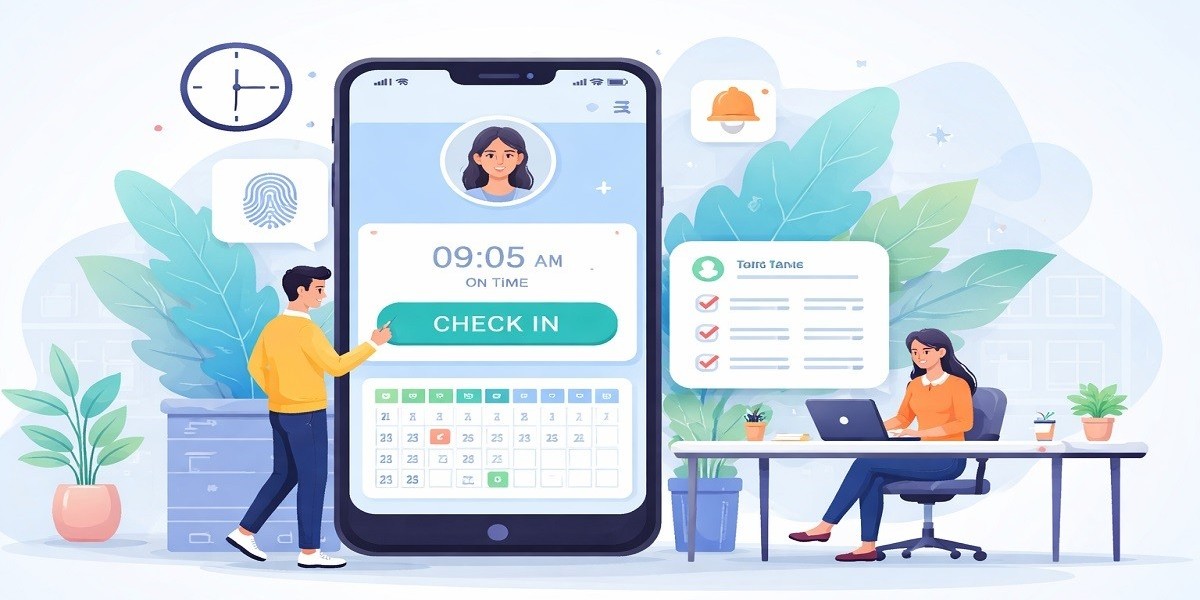

Managing a modern workforce requires accuracy, speed, and reliable financial processes. Businesses across Saudi Arabia must handle salaries, allowances, deductions, overtime, leave, and employee records efficiently. A modern برنامج الرواتب can simplify these responsibilities while improving workforce visibility and reducing administrative pressure. In 2026, organizations of different sizes can depend on payroll technology to support smoother and more controlled employee management.
برنامج الرواتب provides businesses with a structured system for managing payroll-related activities. It can organize salary information, automate calculations, support employee payment processes, and reduce the risks linked with manual data entry. When connected with broader workforce operations, payroll software can also help organizations improve accuracy, save time, and maintain more consistent employee records.
Understanding the Role of Payroll Software in Workforce Management
Payroll is more than the process of paying employees. It is closely connected to attendance, working hours, leave, overtime, allowances, deductions, and employee records.
When these processes are managed separately, HR and finance teams may spend considerable time collecting and verifying information. Manual calculations can also create errors that affect employee confidence and administrative efficiency.
A centralized payroll solution can connect important information and create more organized workflows. This allows businesses to manage recurring payroll tasks with greater consistency.
For organizations in Saudi Arabia, digital workforce management can support faster operations while giving managers better visibility into payroll-related activities.
Small Businesses with Growing Teams
Small businesses often begin with simple payroll processes. When employee numbers are limited, owners may rely on spreadsheets or manual calculations.
However, workforce growth can make these methods increasingly difficult. More employees mean more salary records, attendance details, leave information, and payment requirements.
برنامج الرواتب can help small businesses create structured payroll processes before administrative complexity becomes a major problem.
Reducing Manual Payroll Work
Manual calculations require time and careful attention. HR or finance employees may need to enter salary information repeatedly and verify each calculation.
Payroll software can automate routine activities and reduce repetitive work. This allows employees to focus on other important business responsibilities.
As the business grows, automation can help maintain efficiency without requiring payroll processes to become unnecessarily complicated.
Supporting Better Business Organization
Growing companies need reliable systems that can support future expansion. Organized payroll records provide a stronger foundation for workforce management.
A digital solution can help businesses maintain structured information and reduce dependence on scattered files or separate spreadsheets.
This can create long-term value by improving consistency from the early stages of business growth.
Medium-Sized Companies Managing Complex Payroll
Medium-sized companies often face greater payroll complexity. Different departments may have different schedules, allowances, working patterns, or compensation structures.
Managing these variations manually can become time-consuming. Even a small calculation error can require additional work to correct.
A modern payroll system can help organizations manage more detailed information within a structured environment.
Handling Multiple Salary Components
Employee compensation may include more than a basic salary. Businesses may also manage allowances, bonuses, overtime, deductions, and other approved payments.
A structured payroll system can organize these components and apply defined calculation rules.
This improves consistency and can reduce the administrative effort required during each payroll cycle.
Improving Payroll Accuracy
Accuracy is one of the most important reasons businesses invest in payroll technology.
Employees expect their payments to be calculated correctly and delivered on time. Payroll errors can create dissatisfaction and increase administrative workloads.
By reducing manual calculations and centralizing information, businesses can improve payroll accuracy and create a more dependable payment process.
Large Organizations with Extensive Workforces
Large organizations manage significant amounts of employee information. Payroll teams may process data for hundreds or thousands of employees.
At this scale, manual processes can create serious operational challenges. Collecting data from multiple departments can delay payroll preparation and increase the possibility of inconsistencies.
برنامج الرواتب can help large organizations manage workforce information more efficiently.
Managing High Volumes of Employee Data
Large workforces generate large amounts of data. Employee salaries, working hours, leave records, and compensation changes must be processed accurately.
Centralized software can organize this information and reduce the need to manage disconnected records.
This creates greater visibility and can help payroll teams complete recurring processes more efficiently.
Supporting Standardized Payroll Procedures
Consistency becomes increasingly important as an organization grows.
Different departments may follow different administrative habits when processes are not standardized. This can create confusion and make payroll management more difficult.
HR Departments Focused on Workforce Efficiency
Human resources teams often work closely with payroll operations. Employee changes, attendance, leave, and other workforce activities can directly affect salary calculations. When HR and payroll information is disconnected, employees may need to enter similar information more than once.
Connecting Employee Records with Payroll
Employee information changes throughout the employment lifecycle. New hires, promotions, role changes, and other updates can affect payroll requirements. A structured system helps maintain organized records and supports better coordination between HR and payroll teams.
Improving Administrative Productivity
Automation can help HR professionals spend less time on repetitive payroll-related tasks. Instead of manually collecting information from different sources, teams can work with more centralized records and structured workflows.
Improved productivity allows HR departments to focus more attention on employee development, engagement, and workforce planning.
Finance Teams Seeking Better Financial Control
Payroll is also an important financial process. Finance teams need accurate information about employee-related costs to support budgeting and financial planning. Without reliable payroll records, organizations may struggle to understand the full cost of their workforce. برنامج الرواتب can provide more organized payroll information and support clearer financial oversight.
Improving Visibility into Workforce Costs
Employee costs represent a major business expense for many organizations. Payroll software can help businesses organize salary-related information and improve visibility into recurring workforce costs. Management can use this information to support budgeting and financial planning.
Supporting Faster Financial Reporting
Preparing payroll information manually can take time, particularly when data must be collected from several departments. Organized digital records can simplify reporting and reduce the time required to prepare relevant financial information. This allows finance teams to focus on analysis rather than repetitive data collection.
Businesses with Shift-Based Employees
Organizations that manage shifts often face additional payroll challenges. Employee working hours may vary from one period to another. Overtime and attendance information may also affect final salary calculations.
Connecting Attendance with Payroll Processes
When attendance information is organized effectively, payroll teams can access relevant working-hour data more efficiently.n This can reduce the need for manual verification and improve the consistency of payroll calculations.
Improving Employee Confidence
The businesses that depend most on payroll software are often those managing increasing workforce complexity. More employees, varied salary structures, shift schedules, overtime, and multiple locations can make manual processes difficult to maintain.
A modern payroll solution can help organizations reduce repetitive work, improve calculation accuracy, organize employee information, and strengthen financial visibility. It can also support smoother coordination between HR, finance, managers, and employees.
For Saudi businesses, the long-term value of payroll technology comes from using it as part of a connected workforce management strategy. When payroll processes are accurate, organized, and scalable, companies can spend less time correcting administrative problems and more time focusing on employee development, productivity, and sustainable growth.
Frequently Asked Questions
What is برنامج الرواتب?
It is software designed to manage salaries, deductions, allowances, overtime, and employee payment processes.
Who needs payroll software?
Small businesses, large companies, HR teams, finance departments, and multi-branch organizations can benefit from it.
Can payroll software improve accuracy?
Yes. Automation and centralized records can reduce manual calculation errors.
Does payroll software support workforce growth?
Yes. Scalable systems can help businesses manage increasing employee numbers efficiently.
Can payroll software work with attendance data?
Yes. Connected systems can use relevant attendance and working-hour information to support payroll processes.