
Federal infrastructure plays an essential role in supporting public services, transportation, national programs, emergency response, and community needs. Because these facilities and systems are often expected to operate for decades, understanding and managing flood risk is an important part of responsible infrastructure planning. Floodplain management helps federal agencies identify flood hazards, reduce potential damage, protect critical assets, and make better decisions about where and how infrastructure should be developed.
Flooding is not limited to areas that experience frequent disasters. Heavy rainfall, river overflow, coastal storms, drainage limitations, and changes in land use can all increase flood risk. By incorporating floodplain considerations into federal infrastructure planning, agencies can improve resilience and reduce the potential for costly disruptions.
Understanding Floodplain Management
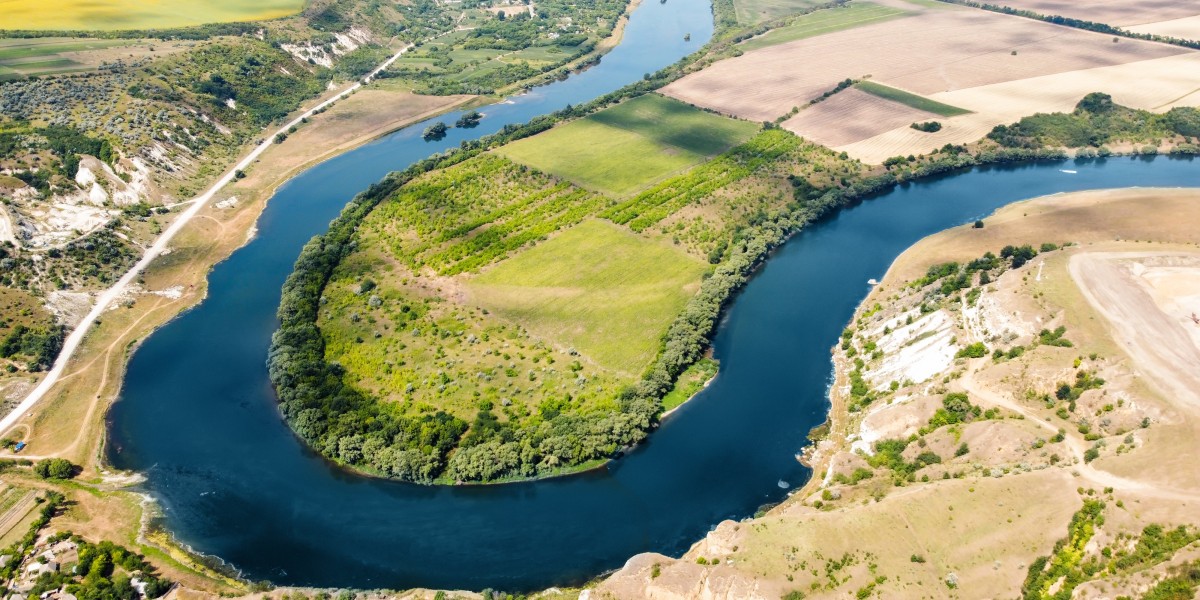
A floodplain is an area that may be susceptible to flooding from rivers, streams, coastal waters, or other sources. Floodplain management involves understanding these risks and using planning, engineering, land-use strategies, and mitigation measures to reduce their potential impacts.
For federal agencies, floodplain management can be an important component of site selection, facility design, infrastructure planning, environmental analysis, and long-term asset management.
The goal is not simply to avoid flooding wherever possible. It is to understand the level of risk and make informed decisions about how infrastructure can be located, designed, operated, and protected.
Protecting Critical Federal Infrastructure
Federal facilities can include administrative buildings, military installations, research facilities, transportation systems, water infrastructure, emergency facilities, and other assets that support important public functions.
Flood damage to these facilities can affect much more than a single building. A flooded facility may interrupt services, damage equipment, displace personnel, or prevent an agency from carrying out critical responsibilities.
Floodplain management helps agencies identify vulnerable locations and determine appropriate strategies for protecting important assets.
Depending on the situation, solutions may include elevating structures, improving drainage, protecting critical equipment, strengthening flood barriers, restoring natural flood storage areas, or selecting less vulnerable locations for new development.
Supporting Better Site Selection
Where infrastructure is located can have a major effect on its exposure to flood hazards.
During the early stages of a project, floodplain analysis can help agencies evaluate potential sites and understand their relative risks. A site that appears suitable based on land availability or transportation access may present significant challenges if it is exposed to frequent flooding.
Considering flood risk early gives decision-makers more options.
Agencies may be able to select an alternative site, adjust the proposed layout, relocate critical functions, or incorporate protective measures into the design.
Addressing these issues before major investments are made can be more practical and cost-effective than attempting to correct flood vulnerabilities after construction.
Reducing Damage and Recovery Costs
Flood events can create substantial costs. Buildings may require repairs, equipment may need replacement, roads can become inaccessible, and essential services may be interrupted.
Floodplain management can reduce these potential costs by identifying vulnerabilities and implementing mitigation strategies before disasters occur.
For example, protecting electrical equipment from flood exposure may prevent a relatively small hazard from causing a major facility shutdown. Similarly, improving site drainage may reduce the risk of water entering critical areas.
Investing in risk reduction can therefore help agencies avoid some of the financial and operational consequences associated with flooding.
Supporting Infrastructure Resilience
Resilience means more than preventing damage. It also involves ensuring that infrastructure can continue functioning or recover quickly after an event.
Federal infrastructure often supports services that communities cannot afford to lose for extended periods. Transportation networks, emergency response facilities, water systems, and communications infrastructure may need to remain operational during severe weather.
Floodplain management can contribute to resilience by identifying critical vulnerabilities and incorporating appropriate protection measures.
Planning can also consider redundancy and emergency access so that facilities have alternatives when flooding affects a particular road, utility, or service area.
Considering Changing Flood Risks
Flood risk is not necessarily static. Development can change drainage patterns, climate conditions can influence rainfall and storm intensity, and infrastructure can age over time.
For this reason, federal infrastructure planning should consider both current and potential future flood conditions.
Scenario analysis and updated flood risk information can help agencies evaluate whether existing facilities are prepared for changing conditions.
A long-term approach can be especially valuable for infrastructure expected to remain in service for several decades.
Managing Stormwater More Effectively
Stormwater is a major contributor to flooding, particularly in developed areas. Roads, parking lots, rooftops, and other impervious surfaces prevent rainfall from naturally soaking into the ground.
Federal infrastructure projects can incorporate stormwater management strategies to reduce runoff and protect downstream areas.
These may include detention and retention facilities, improved drainage systems, permeable surfaces, bioswales, rain gardens, restored natural areas, and other approaches.
Effective stormwater planning can reduce flood risks while also improving water quality and supporting environmental goals.
Protecting Natural Floodplain Functions
Floodplains can provide important natural benefits. Wetlands, floodplain forests, and open spaces can store excess water, slow runoff, reduce erosion, and provide wildlife habitat.
Development that eliminates these natural functions can increase flood risks elsewhere.
Floodplain management encourages agencies to consider the value of natural systems when planning infrastructure.
Preserving or restoring appropriate areas can complement traditional engineering solutions and provide multiple benefits. Natural flood management can also support recreation, biodiversity, water quality, and community resilience.
Improving Project Coordination
Flood risks often cross property and jurisdictional boundaries. A drainage change at one site can affect downstream areas, while infrastructure in one community may depend on systems located elsewhere.
Federal projects can therefore benefit from coordination among agencies, local governments, utilities, engineers, environmental professionals, and other stakeholders.
Collaborative planning can provide a more complete understanding of flood conditions and help ensure that individual projects do not unintentionally create additional risks.
A coordinated approach can also improve opportunities for regional flood mitigation.
Supporting Regulatory and Environmental Responsibilities
Federal infrastructure projects may be subject to environmental requirements and floodplain-related policies. Addressing these considerations early can help agencies understand potential constraints and incorporate appropriate measures into project planning.
Environmental planning can also identify impacts on wetlands, waterways, wildlife habitats, cultural resources, and nearby communities.
By considering these issues together, agencies can develop projects that are not only functional but also environmentally responsible and consistent with applicable requirements.
Making Smarter Infrastructure Investments
Federal agencies manage significant infrastructure portfolios, and funding is not unlimited. Decision-makers must determine which projects should receive priority and where investments can provide the greatest benefit.
Floodplain management provides valuable information for this process.
Facilities located in areas with significant flood exposure may require additional protection or long-term adaptation. Understanding those risks can help agencies prioritize mitigation projects based on potential consequences and operational importance.
This allows infrastructure investment to become more strategic and risk-informed.
Preparing Federal Infrastructure for the Future
Floodplain management is an important part of building infrastructure that can withstand changing conditions. By identifying flood hazards, protecting critical assets, managing stormwater, preserving natural floodplain functions, and considering future risks, federal agencies can reduce vulnerabilities and improve long-term resilience.
The value of floodplain management extends beyond preventing property damage. Reliable federal infrastructure supports public services, emergency response, transportation, economic activity, and many other essential functions.
For this reason, flood risk should be considered from the earliest stages of infrastructure planning rather than after a project has already been designed.
Through proactive Federal Water Resources planning and effective floodplain management, agencies can make more informed decisions, protect public investments, and develop infrastructure that is better prepared for the challenges of tomorrow.