
Gallery Dept. has become one of the most recognizable names in modern luxury streetwear. The Los Angeles-based label combines vintage clothing, art, music, workwear, and rebellious design into garments that feel different from conventional fashion. Founded by artist Josué Thomas, Gallery Dept. approaches clothing as a creative medium rather than simply a product. Its official site currently highlights categories such as hand-painted, recycled, graphic, renewed vintage, denim, outerwear, accessories, and more.
From paint-splattered jeans and distinctive T-shirts to hoodies, jackets, and accessories, Gallery Dept. has developed a visual language that is easy to recognize. The brand's popularity also reflects a broader movement toward clothing that expresses personality and individuality instead of following perfectly polished trends.
What Is Gallery Dept.?
Gallery Dept. is a Los Angeles fashion and art label founded by Josué Thomas. Rather than following the traditional model of a fashion company, Thomas developed Gallery Dept. around the idea of transforming existing garments and creative materials into something new.
The brand's identity is closely connected to Los Angeles culture, where skateboarding, music, vintage clothing, automobiles, art, and street style have influenced its aesthetic. Recent coverage of Thomas emphasizes that he considers himself an artist first and sees the clothing as an extension of his creative practice.
This philosophy explains why Gallery Dept. clothing often looks intentionally imperfect. Paint marks, fading, distressing, reconstructed details, and unusual proportions are not accidental flaws. They form part of the visual identity.
The Artistic Foundation
Gallery Dept. emerged from an art-centered approach to clothing. Vintage garments can be altered, painted, distressed, repaired, or reconstructed so that they take on a new identity.
This process separates Gallery Dept. from brands that depend mainly on large logos or seasonal trends. The garment itself becomes part of the artwork.
From Los Angeles to Global Streetwear
Although its roots remain strongly connected to Los Angeles, Gallery Dept. has developed international recognition. The label now operates stores in Los Angeles and Miami, while its collections and collaborations have expanded its reach.
Its recent projects have also included international creative activities, including work connected with Paris and Seoul.
Why Is Gallery Dept. So Popular?
One major reason for Gallery Dept.'s popularity is its distinctive appearance. In a fashion market filled with similar silhouettes and repeated graphics, the brand offers clothing that feels more personal.
The designs commonly combine:
- Vintage-inspired silhouettes
- Distressed finishes
- Paint-splattered details
- Reworked denim
- Graphic artwork
- Oversized streetwear proportions
- Workwear influences
- Hand-finished elements
Because these details are often intentionally irregular, the clothing can feel more individual than mass-produced streetwear.
Celebrity and Music Culture
Music and celebrity culture have played an important role in the growth of luxury streetwear. Gallery Dept. has been worn and supported by major artists and athletes, helping the label become recognizable beyond specialist fashion communities. Recent coverage has highlighted support from figures including Drake, Migos, and LeBron James.
However, celebrity visibility alone does not explain the brand's longevity. Its artistic identity gives the clothing a recognizable foundation that exists beyond individual endorsements.
Gallery Dept. Clothing: What Makes It Different?
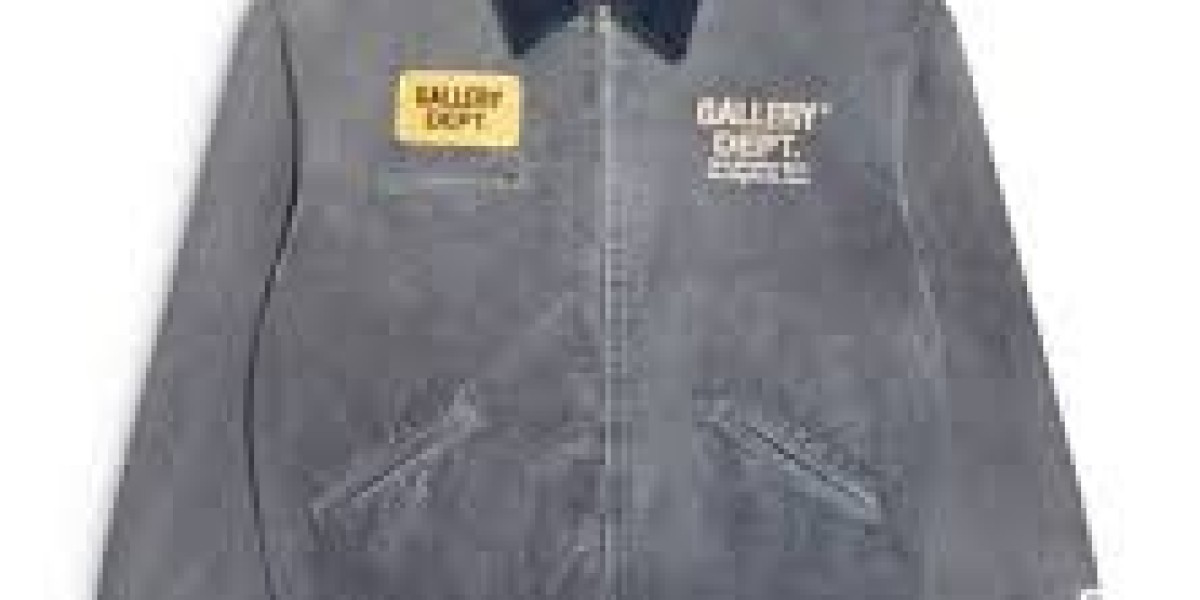
Gallery Dept. clothing is designed around the tension between old and new. A vintage-inspired garment may receive modern proportions, artwork, paint, fading, or reconstruction.
This approach gives the pieces a worn-in appearance while maintaining a luxury-streetwear position.
Gallery Dept. T-Shirts
Gallery Dept. T-shirts are among the easiest pieces through which new customers can discover the brand. Graphic prints, faded finishes, vintage-inspired colors, and recognizable branding give the shirts a distinctive appearance.
A Gallery Dept. tee can work with simple jeans, cargo trousers, shorts, or layered streetwear. Because the graphic often acts as the centerpiece, the rest of the outfit does not need to be complicated.
Gallery Dept. Hoodies
Hoodies add a relaxed and comfortable element to the brand's aesthetic. They can be styled with denim, sweatpants, cargos, or sneakers.
For a balanced outfit, an oversized Gallery Dept. hoodie can be combined with relatively simple trousers. This keeps the focus on the garment instead of making every item compete for attention.
Gallery Dept. Jeans and Denim
Denim remains one of the strongest parts of the Gallery Dept. identity. The official collection currently features denim, LA Chino Flares, pants, flare sweatpants, and other bottom categories.
The brand is particularly associated with expressive denim silhouettes and altered finishes. Flared shapes can create a dramatic look, while distressed and painted details reinforce the artistic character.
5 Frequently Asked Questions About Gallery Dept.
Is Gallery Dept. a luxury brand?
Gallery Dept. operates in the luxury streetwear space, combining artistic production, premium positioning, distinctive design, and limited or highly specialized garments. Its identity is different from traditional luxury houses because the creative process is strongly connected to art and reworking garments.
Who founded Gallery Dept.?
Gallery Dept. was founded by Los Angeles artist Josué Thomas. His artist-first approach continues to influence the label's clothing and creative direction.
Why is Gallery Dept. clothing expensive?
The price reflects several factors, including brand positioning, design, specialized finishing, materials, artistic treatment, and the labor involved in certain garments. Some pieces receive hand-applied details or customization, which can make them more labor-intensive than conventional mass-produced clothing. Gallery Dept.'s official website specifically describes in-store customization through paint, repair, and hand-applied details.
What is Gallery Dept. known for?
Gallery Dept. is especially known for reworked clothing, distressed denim, paint-splattered finishes, graphic T-shirts, hoodies, flared silhouettes, and its broader combination of art and streetwear.
Where can I buy authentic Gallery Dept. clothing?
The safest starting point is the brand's official website and official stores. Gallery Dept. currently lists physical stores in Los Angeles and Miami on its official store page.
How to Style Gallery Dept. Clothing
Styling Gallery Dept. does not require an entire outfit from the same brand. In fact, mixing the pieces with simple wardrobe essentials can make the overall look more effective.
Casual Everyday Outfit
Start with a graphic Gallery Dept. T-shirt and relaxed denim. Add clean sneakers and a simple cap. This creates a straightforward streetwear outfit without making the look overly complicated.
Oversized Streetwear Look
Choose a loose hoodie or sweatshirt with relaxed trousers. Add sneakers and understated accessories. The oversized proportions create a contemporary silhouette while allowing the artwork on the top to remain visible.
Statement Denim Outfit
Gallery Dept. denim can become the main feature of an outfit. Pair flared or distressed jeans with a relatively minimal T-shirt and sneakers.
The key is balance. If the jeans already contain strong paint, fading, or reconstruction, a simple top can prevent visual overload.
Layered Winter Styling
A Gallery Dept. hoodie can be layered underneath a jacket or coat. Relaxed trousers and sneakers complete the outfit. Neutral outerwear often works particularly well because it allows the graphic or distressed details underneath to stand out.
Gallery Dept. and the Idea of Wearable Art
The phrase "wearable art" is frequently associated with Gallery Dept. because its approach challenges the conventional idea that clothing should look perfect.
Traditional manufacturing often aims for consistency. Gallery Dept. frequently embraces variation.
That difference is important.
A paint mark that would normally be considered a manufacturing problem can become part of the artistic design. A raw hem can communicate reconstruction. Fading can create a vintage character. A repaired area can become a visible part of the garment's story.
This philosophy gives the clothing a sense of history even when the garment itself is newly purchased.
The Importance of Reworked Vintage Clothing
Reworking vintage garments has become an important part of contemporary fashion. Instead of treating older clothing as something disposable, designers can use it as a starting point for new creative work.
Gallery Dept. has built much of its identity around this concept. The result is clothing that combines historical references with modern streetwear.
The official collections continue to emphasize categories such as recycled and renewed vintage garments, reinforcing the importance of transformation within the brand's product universe.
Imperfection as a Design Feature
One of the most interesting aspects of Gallery Dept. is its relationship with imperfection.
Many fashion products are designed to look pristine. Gallery Dept. often moves in the opposite direction. Scratches, fading, paint, and distressing can be deliberately introduced to create character.
This approach has influenced how many consumers think about premium streetwear. Instead of asking whether a garment looks perfectly new, people may ask whether it has personality.
Gallery Dept. Collaborations and Creative Expansion
Gallery Dept. has expanded its creative world through collaborations and partnerships. The official website currently lists projects involving names such as Vans, UGG, ASICS, the Los Angeles Dodgers New Era, LA Rams, and Lanvin.
These collaborations allow the brand to explore different areas while maintaining its recognizable creative language.
A collaboration can also introduce Gallery Dept. to new audiences. Someone who discovers the brand through footwear, sportswear, music, or art may later explore its core clothing collections.
Gallery Dept. in 2026
Gallery Dept. continues to develop beyond conventional streetwear. In 2026, its official website features new clothing, eyewear, accessories, collaborations, and creative projects. The brand's latest dialogue section includes projects connected with Paris, Seoul, and other cultural subjects.
The current collection also demonstrates how broad the brand has become. Customers can find T-shirts, denim, pants, outerwear, bags, hats, leather pieces, sweatpants, and other categories.
This expansion has not erased the original identity. Instead, the same principles—art, individuality, reworking, and Los Angeles influence—continue to connect different collections.
How to Recognize the Gallery Dept. Aesthetic
You do not need to see a logo to understand the Gallery Dept. influence. Several visual characteristics can provide clues.
Look for:
- Vintage-inspired clothing with modern proportions.
- Paint or hand-finished details.
- Distressed denim and raw edges.
- Strong graphic artwork.
- Relaxed or exaggerated silhouettes.
- Workwear and California streetwear references.
- A deliberately worn-in appearance.
When several of these elements appear together, the aesthetic becomes immediately recognizable.
Is Gallery Dept. Worth the Hype?
Whether Gallery Dept. is worth the price depends on what a customer wants from clothing.
If someone wants a basic T-shirt with a conventional finish, there are many less expensive alternatives. But if the goal is to own a garment with a strong artistic identity, recognizable streetwear heritage, and specialized design details, Gallery Dept. offers something different.
The brand's value is not only in fabric or construction. Much of its appeal comes from the creative process and cultural meaning surrounding the garment.
That is why fans often treat Gallery Dept. pieces as more than ordinary wardrobe basics.
Tips for Buying Gallery Dept. Clothing
Choose the Right Silhouette
Before purchasing, consider whether you prefer relaxed, straight, or flared proportions. The silhouette can have as much impact as the graphic.
Check the Official Source
Because the brand is popular and frequently imitated, buyers should be careful when shopping online. The official Gallery Dept. website provides a reliable reference for current collections and products.
Think About Versatility
A dramatic piece may attract attention, but a more versatile T-shirt, hoodie, or denim style can be easier to incorporate into an existing wardrobe.
Consider the Details
Look closely at the garment's artwork, finishing, wash, construction, and proportions. These details are central to Gallery Dept.'s design language.
Final Thoughts on Gallery Dept.
Gallery Dept. has established a distinctive position between art, luxury, and streetwear. Founded by Josué Thomas in Los Angeles, the brand treats clothing as a creative medium and uses reworking, distressing, graphics, denim, and hand-finished details to develop its identity. Its appeal comes from individuality. Rather than hiding imperfections, Gallery Dept. can make them part of the story. Rather than treating vintage clothing as outdated, it can transform it into something contemporary. And rather than separating art from fashion, the label brings the two together.
For anyone interested in modern streetwear, Gallery Dept. is worth understanding because its influence extends beyond individual T-shirts, hoodies, or jeans. It represents a broader shift toward expressive clothing, creative craftsmanship, and garments that feel connected to culture. As Gallery Dept. continues developing collections, collaborations, stores, and creative projects, its central idea remains powerful: clothing can be more than something we wear—it can be a form of personal expression.