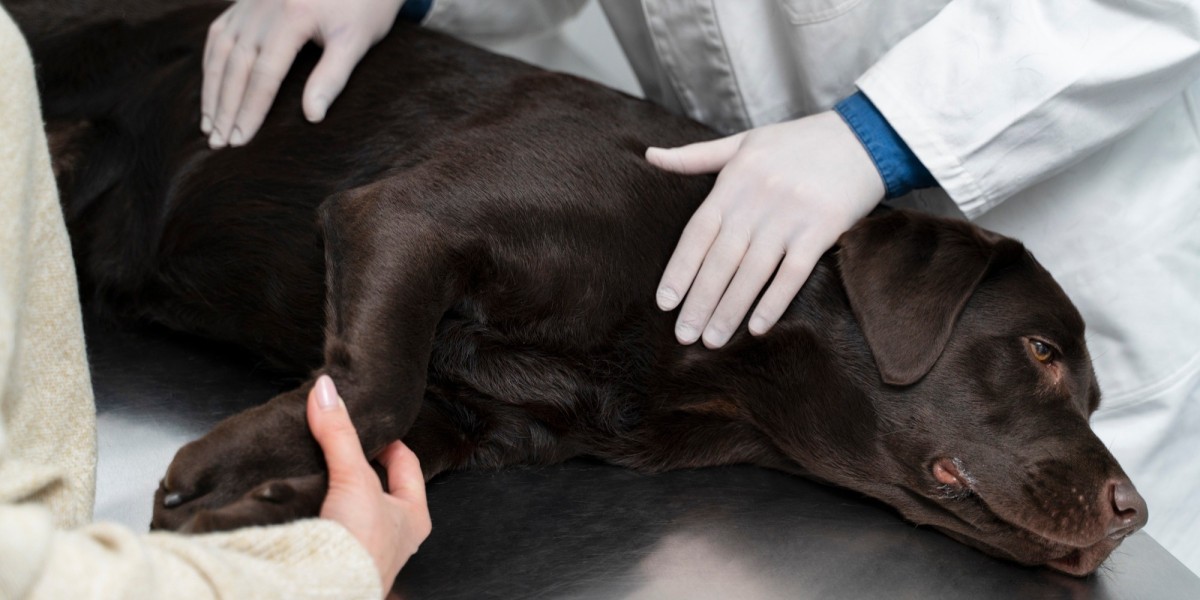

Heartworm disease can develop quietly, and a dog may appear completely healthy during the early stages. That is why prevention and routine testing are so important. Regular preventative care and testing can help identify risks early and give your veterinarian an opportunity to recommend appropriate protection for your dog.
What Is Heartworm Disease?
Heartworm disease is caused by a parasite called Dirofilaria immitis. It is primarily spread through mosquito bites. Once infected, heartworm larvae can eventually develop into adult worms that live in the blood vessels and heart.
The disease can damage the heart, lungs, and blood vessels over time. Because noticeable symptoms may not appear immediately, regular prevention and veterinary testing are important parts of responsible dog care.
What Are the Early Signs of Heartworm in Dogs?
Early heartworm disease can be difficult to recognize because symptoms may be mild. Some dogs may show no obvious signs at all.
When symptoms do appear, they can include a persistent or mild cough, reduced energy, and decreased tolerance for exercise. Your dog may become tired more quickly during walks or play than they normally would.
These signs can also occur with many other health conditions, so they do not necessarily mean your dog has heartworm disease. A veterinarian can recommend appropriate testing to determine the cause.
1. Persistent Coughing
A mild, ongoing cough can be one of the signs associated with heartworm disease. As the disease progresses, parasites can affect the blood vessels and lungs, potentially contributing to respiratory problems.
If your dog develops a cough that continues or keeps returning, it is worth discussing it with your veterinarian.
2. Reduced Energy
Does your dog seem less interested in playing or going for walks? A noticeable decrease in energy can be an early warning sign.
Dogs with developing heartworm disease may have less exercise tolerance than usual. However, tiredness can also result from age, heat, infection, pain, or many other conditions.
3. Exercise Intolerance
A dog that previously enjoyed long walks but suddenly needs more breaks may be experiencing a health problem. Exercise intolerance can occur when the heart and lungs are under increased strain.
Pay attention to changes in your dog's normal activity level and mention them during a veterinary appointment.
4. Weight Loss or Reduced Appetite
As heartworm disease becomes more advanced, some dogs may lose weight or develop a reduced appetite. These changes are not specific to heartworm and can occur with many illnesses.
Unexpected weight loss or appetite changes should be evaluated rather than ignored, especially when combined with coughing or reduced energy.
5. Breathing Changes
More advanced heartworm disease can cause breathing difficulties. You may notice faster breathing, increased effort when breathing, or other unusual respiratory changes.
Breathing problems can have many causes and should be taken seriously. If your dog is struggling to breathe, seek urgent veterinary care.
Can Heartworm Disease Be Prevented?
Prevention is one of the most effective ways to protect dogs from heartworm disease. Your veterinarian can recommend a preventative program based on your dog's age, lifestyle, and risk factors.
Regular testing may also be recommended because prevention plans can vary and no preventative approach should be started or changed without veterinary guidance.
When Should Your Dog Be Tested?
Your veterinarian can advise you on an appropriate heartworm testing schedule. Testing can be especially important when a dog has not been consistently protected or when their prevention history is unknown.
If you notice coughing, reduced energy, exercise intolerance, weight loss, or breathing changes, do not wait for symptoms to become severe. Contact your veterinarian for advice.
Protect Your Dog With Preventative Care
Heartworm disease can become serious when it is not detected and managed appropriately. The early signs can be subtle, which makes prevention, testing, and regular veterinary care especially valuable.
By keeping your dog's preventative care up to date and paying attention to changes in their normal behaviour, you can take action sooner if a potential health problem develops.
Short Summary:
Learn the early signs of heartworm disease in dogs, including coughing, reduced energy, exercise intolerance, appetite changes, and breathing problems, plus why prevention and testing matter.
FAQs
1. What is the first sign of heartworm disease in dogs?
A persistent cough or reduced exercise tolerance may occur in the early stages, although some infected dogs show no obvious symptoms.
2. Can a dog have heartworms without showing symptoms?
Yes. Dogs can have heartworm infection without noticeable symptoms, particularly during the early stages. This is one reason routine testing and prevention are important.
3. How do dogs get heartworm disease?
Heartworm disease is primarily transmitted through the bite of an infected mosquito. The parasite can eventually develop into adult worms that affect the heart and blood vessels.
4. Can heartworm disease be prevented?
Yes. Veterinary-approved preventative medications can significantly reduce the risk of heartworm disease when used appropriately. Your veterinarian can recommend a suitable prevention plan.
5. When should I take my dog to the vet for possible heartworms?
Contact your veterinarian if your dog develops a persistent cough, reduced energy, exercise intolerance, unexplained weight loss, or breathing changes. Your veterinarian can determine whether testing is appropriate.