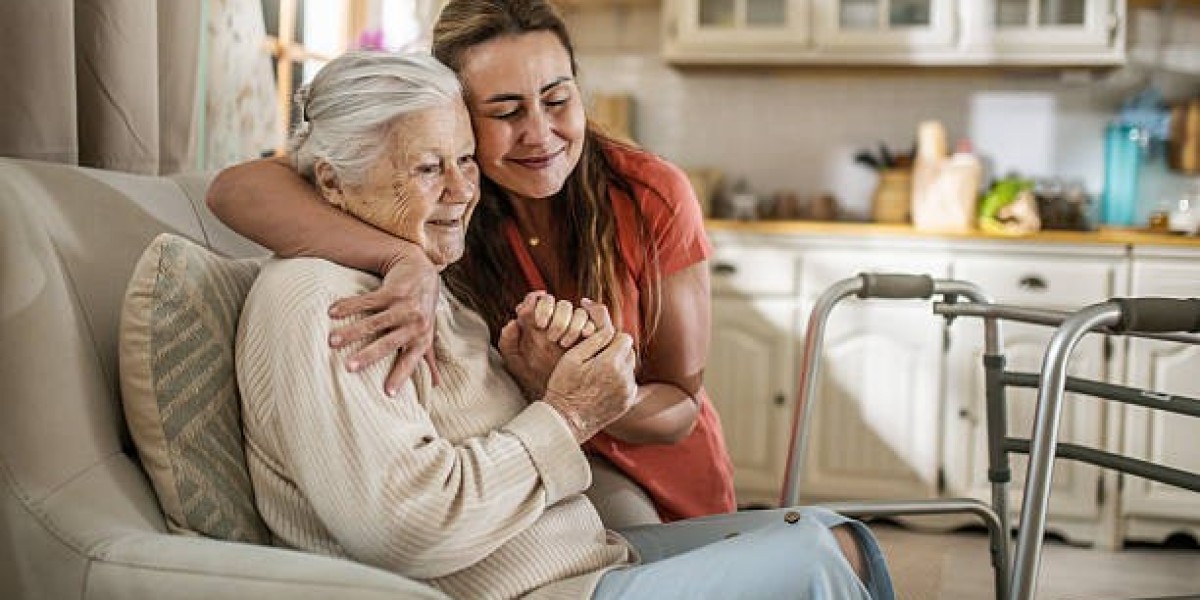

Returning home after a hospital stay can be a welcome moment for an older adult, but the transition may also bring new challenges. Seniors may need extra help with daily activities, mobility, meals, household routines, or following their discharge instructions. For families considering home care Kennebunk services, having dependable assistance at home can make the adjustment more manageable while allowing a loved one to recover in a familiar environment.
Understanding the Challenges After Hospital Discharge
A senior may feel weaker or more tired after spending time in the hospital. Even familiar activities such as getting dressed, preparing meals, walking around the house, or completing personal-care routines may require additional effort.
Families should pay attention to the individual's abilities after returning home. Understanding which activities are difficult can help relatives determine what type of assistance would be most useful during the recovery period.
Preparing the Home Before Returning
Preparing the home in advance can make the transition smoother. Frequently used belongings should be placed within easy reach, pathways should remain clear, and commonly used rooms should be easy to access.
Families can also organize the supplies and equipment recommended for the recovery period. Creating a comfortable space where the senior can rest and follow their normal routine may help them settle back into everyday life.
Providing Assistance With Daily Routines
After hospitalization, seniors may temporarily need more help than they did before. Assistance with bathing, dressing, meal preparation, light housekeeping, and mobility can make daily routines less demanding.
The goal is not necessarily to take over every task. Instead, caregivers can help with activities that have become difficult while encouraging the senior to remain involved in tasks they can safely complete.
Supporting a Gradual Return to Independence
Recovery can take time, and older adults may regain their usual abilities gradually. Providing too little assistance can make everyday activities unnecessarily difficult, while doing everything for a senior may reduce opportunities to rebuild confidence.
A balanced approach allows caregivers to offer support where needed while encouraging safe participation. As the senior becomes more comfortable and capable, the amount of assistance can be adjusted accordingly.
Considering Additional Support at Home
Some families may need assistance for only a few hours each day, while others may require more consistent supervision during the early stages of recovery. The appropriate arrangement depends on the senior's condition, daily routine, and level of independence.
For individuals who require substantial assistance throughout the day and night, live-in care Kennebunk services may be considered as part of a broader home-support plan. This type of arrangement can provide a greater level of ongoing presence for seniors who should not be left without appropriate support.
Helping With Meals and Household Tasks
Preparing nutritious meals and keeping up with household responsibilities can be difficult when someone is recovering from an illness or procedure. A caregiver can assist with meal preparation and basic household tasks, helping the senior maintain a comfortable living environment.
Having support with these responsibilities can also allow the older adult to focus more of their energy on rest and recovery rather than trying to manage every household chore independently.
Maintaining Communication With Family
Family communication remains important after a senior returns home. Relatives can stay informed about how their loved one is managing daily routines and whether additional assistance may be needed.
Caregivers and family members can also work together to identify changes in the senior's abilities. If new concerns arise, families should seek guidance from the appropriate healthcare professional rather than relying on home care alone for medical decisions.
Making the Return Home More Comfortable
A successful transition from hospital to home involves more than simply getting an older adult through the front door. Seniors may need patience, practical assistance, encouragement, and time to regain confidence in their familiar routines. With personalized home care Kennebunk support, families can arrange assistance that reflects the individual's changing needs. When a senior requires a greater level of ongoing presence, live-in care Kennebunk services may provide another option for maintaining comfort and support at home while families remain involved in their loved one's care.