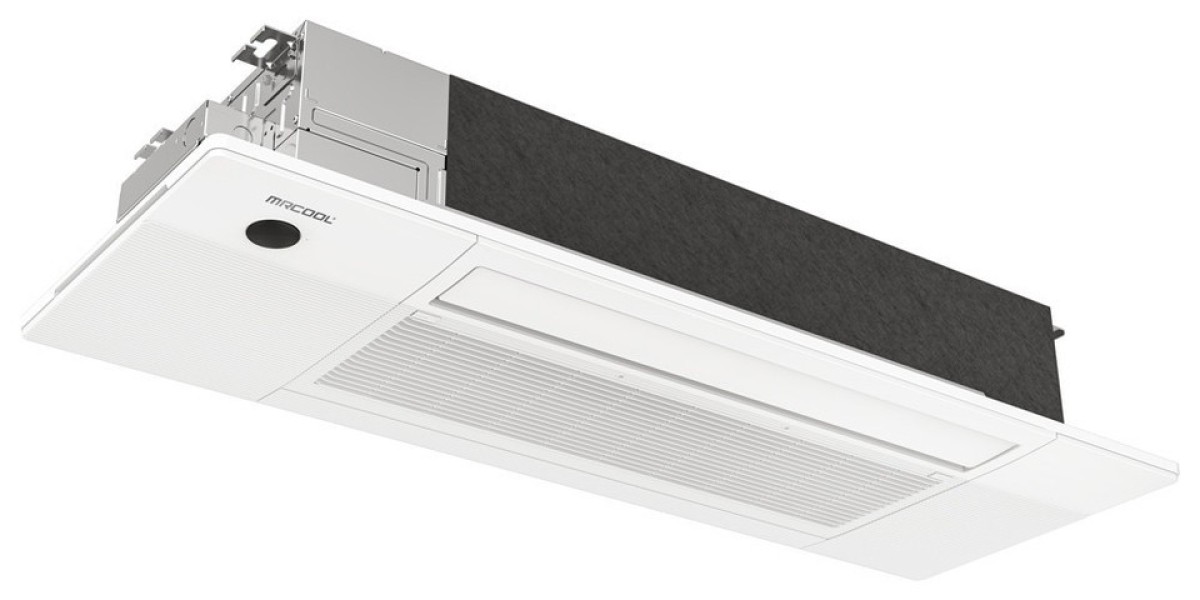

Most homeowners who purchase a ductless mini split ac system for cooling-only purposes discover within the first heating season that they have either made a sound decision or a missed opportunity — depending on whether they live in a climate where the heat pump capability they passed on would have provided meaningful value.
The difference between a cooling-only ductless mini split ac and a mini heat pump ductless split system is not just a feature difference on a specification sheet. It is the difference between a system that serves one season and one that serves all four, between a system whose value proposition is limited to the months when cooling demand exists and one whose efficiency advantage compounds across both cooling and heating seasons simultaneously.
Understanding this distinction before purchase rather than after is the kind of practical knowledge that produces better decisions, not because heat pump systems are universally superior but because the specific situation of each buyer determines which approach serves them best, and that determination requires understanding what each option actually provides rather than what its marketing description implies.
What Separates These Two System Types
A ductless mini split ac system designed for cooling only moves heat from the indoor space to the outdoor environment during cooling operation. The refrigerant circuit flows in one direction — absorbing heat at the indoor evaporator coil and rejecting it at the outdoor condenser — and that is all it does. When outdoor temperatures drop and heating becomes the priority, a cooling-only ductless system provides no assistance and the occupant relies on whatever separate heating system the home has.
A mini heat pump ductless split does everything the cooling-only system does during summer while adding the ability to reverse the refrigerant flow direction during winter, making the outdoor coil function as an evaporator that extracts heat from outdoor air and the indoor coil function as a condenser that releases this captured heat into the living space. This reversal is accomplished through a reversing valve in the outdoor unit that switches refrigerant flow direction in response to the thermostat's heating demand signal.
The practical consequence of this capability is a system that provides efficient heating through the same equipment, the same installation, and the same electrical infrastructure that provides cooling — eliminating the need for separate heating equipment in many applications and delivering that heating at two to four times the efficiency of electric resistance heating because heat pump technology moves heat rather than generating it.
The Efficiency Case for Heat Pump Systems
The efficiency advantage of a mini heat pump ductless split over electric resistance heating alternatives deserves specific illustration because the magnitude of the difference is large enough to affect the system selection economics meaningfully in any climate with a real heating season.
Electric resistance heating converts electricity to heat at a ratio of one to one — one kilowatt-hour of electricity produces one kilowatt-hour of heat. This is as efficient as resistance heating can be, and it is the baseline against which heat pump efficiency is measured.
A heat pump operating in mild heating conditions delivers two to four kilowatt-hours of heat for each kilowatt-hour of electricity consumed, by extracting heat from outdoor air rather than generating it electrically. The ratio of heat delivered to electricity consumed — called the coefficient of performance — varies with outdoor temperature. At forty-seven degrees Fahrenheit outdoor temperature, where heat pump efficiency ratings are standardized for comparison, a quality system might deliver three to four times as much heat as it consumes in electricity. As outdoor temperatures fall toward freezing and below, this ratio declines as the heat available to extract from outdoor air decreases.
In practical terms, a homeowner heating a space with a mini heat pump ductless split during a shoulder season when outdoor temperatures are forty to fifty degrees Fahrenheit is spending roughly one-third of what electric baseboard heating would cost for the same heating output. Over a full heating season in a climate with meaningful cold weather, this efficiency advantage produces energy cost savings that partially or fully offset the typically modest premium that heat pump models carry over cooling-only alternatives.
Cold Climate Performance and Its Limits
The honest conversation about mini heat pump ductless split systems in cold climates involves acknowledging the performance decline that standard heat pump technology experiences as outdoor temperatures fall — a decline that is real, progressive, and consequential for the system's ability to serve as primary heating without backup in severe cold climates.
Standard ductless heat pump systems maintain efficient heating performance at outdoor temperatures above approximately twenty-five to thirty-five degrees Fahrenheit, depending on the specific product. Below this range, the capacity and efficiency both decline as the available heat in outdoor air decreases and the refrigerant circuit must work harder to extract what remains. At temperatures approaching zero degrees Fahrenheit, many standard products deliver significantly reduced heating capacity — sometimes fifty percent or less of rated capacity — making them inadequate as primary heating sources during the coldest periods without supplemental backup.
Cold-climate enhanced products — those marketed as hyper heat, ultra heat, or similar designations by various manufacturers — extend this effective operating range through enhanced compressor technology and refrigerant circuit design that maintains meaningful capacity at temperatures considerably below what standard products handle effectively. These systems maintain useful heating at outdoor temperatures where standard products have lost significant capacity, changing the calculus for homeowners in northern climates where standard heat pump heating would require substantial backup engagement during the coldest weeks of the heating season.
The specific cold-weather performance specifications — capacity at zero degrees Fahrenheit, minimum operating temperature, and efficiency across the heating season — deserve comparison between products being evaluated for cold climate applications rather than relying on the nameplate heating capacity rating that reflects performance at the standardized forty-seven degree test condition rather than at the temperatures that actually challenge northern heating season performance.
Sizing Considerations for Heat Pump Applications
The capacity selection for a mini heat pump ductless split involves satisfying requirements in both cooling and heating modes, which occasionally produces a sizing tension that cooling-only systems do not face.
The cooling load and heating load of any specific space are different numbers whose ratio varies with climate and building characteristics. In hot climates where cooling dominates the annual conditioning hours, the cooling load determines the appropriate system size and the heating capability the selected size provides is typically more than adequate for the modest heating demand those climates create. In cold climates where heating is the primary conditioning challenge, the heating load may drive the sizing requirement toward a larger system than the cooling load alone would suggest.
When heating load is the binding constraint, the selected system should be verified to deliver adequate heating capacity at the outdoor design temperature for the climate rather than only at the standard forty-seven degree test condition. A system delivering thirty-six thousand BTU of heating capacity at forty-seven degrees Fahrenheit that retains only eighteen thousand BTU at zero degrees Fahrenheit — a common performance decline for standard products — may be adequate for a climate whose heating design temperature is twenty degrees but inadequate for one whose design temperature is zero or below.
This performance-at-design-temperature consideration is what makes cold-climate product specifications particularly relevant for northern homeowners — not the nameplate capacity at standard test conditions but the actual capacity at the conditions the climate actually produces during the heating season.
Application Scenarios and Which System They Favor
When Cooling-Only Makes Sense
The cooling-only ductless mini split ac makes straightforward economic sense in applications where the space being conditioned has existing adequate heating from another source and where adding heat pump capability would provide no practical benefit because the heating need is already met.
A garage with a gas-fired unit heater that provides adequate cold-weather heating but has no cooling capability is a natural cooling-only ductless mini split ac application. The existing heating meets the cold-weather requirement, and the ductless system addresses only the summer cooling gap. Paying the modest premium for heat pump capability in this application purchases a function the space does not need.
A server room or equipment space that requires year-round cooling but where heating demand is minimal or nonexistent because the equipment inside generates sufficient heat is another application where cooling-only may be the appropriate selection. The heat pump capability adds cost without providing practical function in spaces where heating is never actually required.
When Heat Pump Capability Pays
The mini heat pump ductless split earns its modest premium over cooling-only alternatives in any application where the space genuinely requires both heating and cooling conditioning and where the heat pump's efficiency advantage over alternative heating approaches produces operating cost savings that compound across the heating season over the system's service life.
A home addition that requires conditioning in both summer and winter, currently served by neither adequate cooling nor efficient heating, is the ideal heat pump ductless application. A single mini heat pump ductless split installation addresses both requirements at efficiency levels that separate heating and cooling equipment cannot match in aggregate.
A bedroom where window air conditioning provided inadequate cooling and electric baseboard provided expensive heating represents another high-value heat pump application. The ductless heat pump replaces both the inadequate cooling and the expensive heating with a single efficient system whose combined operating cost savings over separate alternative equipment typically justify the installation cost difference within a few years of operation.
Installation Considerations Specific to Heat Pump Systems
Heat pump outdoor units require placement consideration beyond what cooling-only outdoor units need because they must operate effectively in winter heating mode as well as summer cooling mode — and winter operating conditions introduce challenges that cooling-only placement decisions do not need to account for.
Snow accumulation around and above the outdoor unit restricts airflow in ways that heat pump heating operation depends on being clear. Outdoor unit placement that keeps the unit above typical snow accumulation depth in the installation climate, or mounting arrangements that prevent drifting snow from covering the unit, maintains the operating conditions that winter heating performance specifications assume. A unit buried in snow cannot extract heat from outdoor air effectively and will either operate at severely reduced capacity or shut down on low-pressure protection.
Defrost cycle drainage requires planning for winter conditions where the water produced by defrost coil thawing can freeze on surfaces below the outdoor unit. Placement that allows defrost drainage to drain away from the building and from walking surfaces prevents the ice accumulation that creates both slip hazards and conditions that can refreeze around the unit itself.
FAQs About Ductless Mini Split AC and Mini Heat Pump Ductless Split
Is the heat pump capability in a mini heat pump ductless split system worth the additional cost in mild climates?
In climates where winter temperatures rarely fall below forty degrees Fahrenheit and where heating seasons are short, the heat pump capability provides real but modest value — the efficiency advantage over alternative heating is present but exercised infrequently enough that the operating cost savings may take many years to recover the premium. In these climates the decision often comes down to the convenience value of year-round comfort from a single system versus the alternative of separate cooling and heating equipment. In climates with meaningful cold weather where heating represents substantial annual energy cost, the heat pump's efficiency advantage produces operating cost savings that recover the premium more quickly and continue producing savings across the system's service life.
How do I know if a mini heat pump ductless split system can serve as the primary heat source for my space without backup?
Determine the peak heating load for the space through load calculation that accounts for insulation quality, window area, building envelope characteristics, and local climate design conditions. Compare this peak heating load against the selected system's published heating capacity at the local climate's design outdoor temperature — not at the standard forty-seven degree test condition but at the actual design temperature for the location. If the system's documented capacity at design conditions meets or exceeds the calculated peak heating load, it can serve as primary heating without backup for conditions within the design parameters. If it does not, either a larger system, a cold-climate enhanced product with better low-ambient performance, or a supplemental heating provision for the coldest periods is appropriate.
What is the difference between standard mini heat pump ductless split systems and cold-climate enhanced versions?
Standard products maintain efficient heating performance at outdoor temperatures above approximately twenty-five to thirty-five degrees Fahrenheit, with declining capacity and efficiency below this range. Cold-climate enhanced products use modified compressor technology, enhanced refrigerant circuits, and improved defrost management to maintain meaningful heating capacity and efficiency at temperatures significantly below this range — sometimes to negative thirteen degrees Fahrenheit or lower. The performance difference between standard and cold-climate products is most significant during the coldest portions of the heating season and is most consequential for homeowners using the system as primary heating without backup in climates that regularly produce temperatures below the standard product's effective range.
Can I add a mini heat pump ductless split to a home that already has a gas furnace for heating?
Yes, and this combination — sometimes called a dual-fuel or hybrid heating approach — provides practical and economic advantages in many climates. The ductless heat pump provides highly efficient heating during the mild-to-moderate temperature range when heat pump efficiency is highest, and the existing gas furnace provides backup heating during the coldest periods when the heat pump's efficiency advantage over gas may narrow or reverse depending on local gas and electricity prices. This approach captures the heat pump's efficiency advantage across the majority of heating hours while maintaining the reliable high-capacity heating of the gas system for the coldest days when the heat pump alone may not be adequate.
How does the mini heat pump ductless split defrost cycle affect indoor comfort during heating operation?
When frost accumulates on the outdoor coil during heating operation — a normal consequence of operating the outdoor coil as an evaporator in cold, humid conditions — the control system initiates a defrost cycle that temporarily reverses refrigerant flow to warm the outdoor coil and melt accumulated frost. During this reversal period, typically lasting two to ten minutes, the indoor coil is not receiving heated refrigerant and the air delivered to the indoor space feels cool or ambient temperature rather than warm. Modern systems manage defrost cycle frequency through demand-based algorithms that minimize unnecessary defrost cycles, and systems with supplemental electric resistance elements in the indoor unit can maintain warm air delivery during defrost rather than allowing the temporary cooling effect that systems without this feature produce.