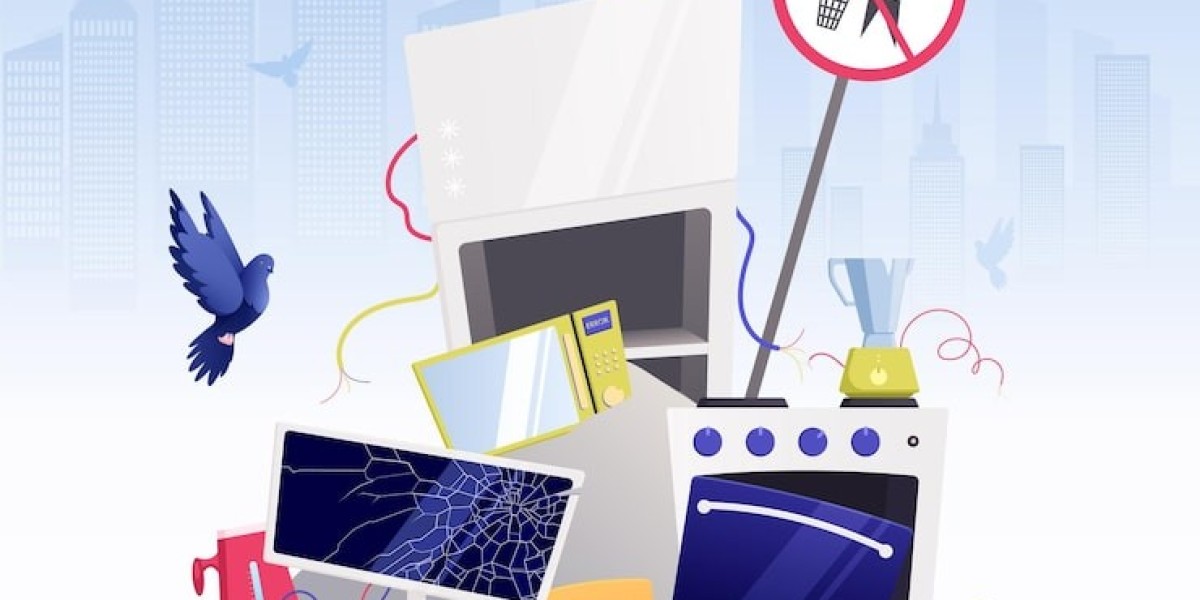

Indonesia’s rapid adoption of smartphones, computers, household appliances, telecommunications equipment, and other electronic products is creating a larger stream of end-of-life devices. As consumption expands, the need for organized collection, responsible dismantling, material recovery, refurbishment, and safe treatment is becoming more important. The transition is also bringing greater attention to formal recycling infrastructure and policies that can improve the management of discarded electronics.
According to MarkNtel Advisors, Indonesia’s e-waste management sector was valued at USD 1.4 billion in 2025 and is projected to grow from USD 1.6 billion in 2026 to USD 2.1 billion by 2032, registering a CAGR of 4.64% during 2026–2032. The assessment identifies increasing electronic-device adoption, regulatory interventions, technology-driven recycling, and the expansion of formal recycling infrastructure as important factors shaping sector development.
Rising Device Adoption Expands E-Waste Volumes
The increasing penetration of electronic devices is one of the principal factors influencing Indonesia’s e-waste management requirements. Growing ownership of mobile phones, computers, household electronics, and information and communication technology equipment means that more products eventually enter end-of-life streams.
The International Telecommunication Union reports that Indonesia generated approximately 1,886 million kilograms of e-waste in 2022, making it the largest e-waste generator in Southeast Asia and the fourth-largest generator in Asia. The ITU’s Indonesia e-waste assessment also notes that the country is exploring Extended Producer Responsibility for electrical and electronic equipment.
The scale of discarded electronics creates pressure on collection systems because increasing consumption does not automatically translate into higher formal recycling rates. Collection accessibility, public awareness, processing capacity, and regulatory coordination all influence whether obsolete devices enter appropriate treatment channels.
Extended Producer Responsibility Gains Attention
Indonesia is increasingly examining Extended Producer Responsibility (EPR) as a mechanism for improving electronic-waste management. EPR can assign greater responsibility to producers for managing products throughout their lifecycle, including collection and recycling after products reach the end of their useful lives.
In May 2026, Indonesia’s Ministry of Communication and Digital, working with the International Telecommunication Union, the National Research and Innovation Agency, and other partners, discussed strengthening the regulatory framework for EPR in electronics. The initiative focuses on clarifying responsibilities among producers and other stakeholders while examining the costs associated with collection, transportation, and final processing.
This policy direction is significant because the development of formal e-waste systems requires coordination across manufacturers, distributors, consumers, recyclers, local authorities, and national regulators.
Metals Remain a Major Recovery Opportunity
Metals represented approximately 50% of processed materials in 2026, according to the study, making them the leading material category. Electronic devices contain recoverable materials such as copper, aluminum, gold, and other metals that can potentially be returned to productive use through appropriate recycling processes.
The economic value of these materials provides an incentive for recycling operators to improve collection and recovery systems. More advanced sorting, dismantling, separation, and refining technologies can increase the efficiency with which valuable materials are recovered from discarded electronics.
However, recovery depends on the quality of the incoming waste stream. When electronics are mixed with general waste or processed through informal channels, valuable materials may be lost and hazardous components may be handled without appropriate environmental safeguards.
Residential Users Generate the Largest Share
The residential segment accounted for approximately 57% of e-waste generation in 2025, according to the study. Households generate discarded smartphones, laptops, televisions, small appliances, and other electronic products as devices are replaced or become obsolete.
Residential e-waste is particularly challenging because individual households generate relatively small quantities across geographically dispersed locations. Efficient management therefore requires accessible collection channels, including take-back programmes, retail collection points, municipal services, and other dedicated systems.
Public awareness is equally important. Without sufficient understanding of appropriate disposal methods, households may continue to store obsolete devices, dispose of them with general waste, or transfer them through informal channels.
Technology-Driven Recycling Improves Processing
Technology-driven recycling is emerging as an important trend in Indonesia’s e-waste ecosystem. Artificial intelligence, automated sorting, robotics, and digital monitoring can help improve material identification and processing accuracy while reducing dependence on manual handling.
The use of mechanized sorting systems can also improve throughput and reduce residual waste. According to the MarkNtel Advisors assessment, Waste4Change has implemented digital and equipment-based sorting technologies at its Material Recovery House facility, demonstrating how technology can improve operational efficiency within waste processing.
Digital systems can also support collection planning by analyzing waste-generation patterns, optimizing collection routes, and tracking materials as they move through different stages of the recycling chain.
Regulatory Enforcement Strengthens Waste Controls
Indonesia is also increasing enforcement against illegal electronic-waste movements. In October 2025, the Ministry of Environment and Environmental Management Agency announced that 73 containers of illegally imported e-waste from the United States had been stopped at Batam Port and were being processed for re-export.
The Indonesian government’s enforcement announcement illustrates the regulatory attention being given to hazardous electronic-waste movements. Stronger controls can reduce the risk of Indonesia becoming a destination for improperly managed waste while encouraging greater reliance on compliant domestic processing.
Infrastructure Gaps Create Development Pressure
Indonesia’s expanding e-waste volumes are placing greater pressure on formal recycling infrastructure. Major urban centers such as Jakarta, Surabaya, Bandung, and Medan have relatively stronger collection and recycling activity, while infrastructure coverage remains more limited in other areas.
The geographic concentration of collection systems can create logistical challenges because electronic waste must be transported from dispersed generation points to suitable processing facilities. Investment in collection networks, regional processing centers, sorting facilities, and advanced material-recovery systems can help address these gaps.
Public Awareness Remains Important
Awareness is another important challenge, particularly in areas where formal collection options are limited. Households may lack information about the environmental risks associated with inappropriate e-waste disposal or may have limited access to dedicated recycling services.
The Indonesian government has previously identified the need for stronger public participation, producer take-back systems, and integrated involvement from national authorities, local governments, businesses, manufacturers, and communities. Improving awareness alongside infrastructure development can help increase the quantity of e-waste entering formal management channels.
Toward a More Organized Circular E-Waste System
Indonesia’s e-waste management landscape is being shaped by increasing device adoption, rising waste volumes, regulatory development, technology-driven recycling, and growing interest in circular economy principles. Metals remain a major recovery opportunity, while households represent the largest end-user source of discarded electronics.
The sector’s longer-term development will depend on the expansion of formal collection and recycling infrastructure, clearer producer responsibilities, improved public awareness, stronger enforcement, and wider adoption of digital and automated processing technologies. These elements can collectively support a more organized system in which electronic waste is managed as both an environmental responsibility and a source of recoverable resources.