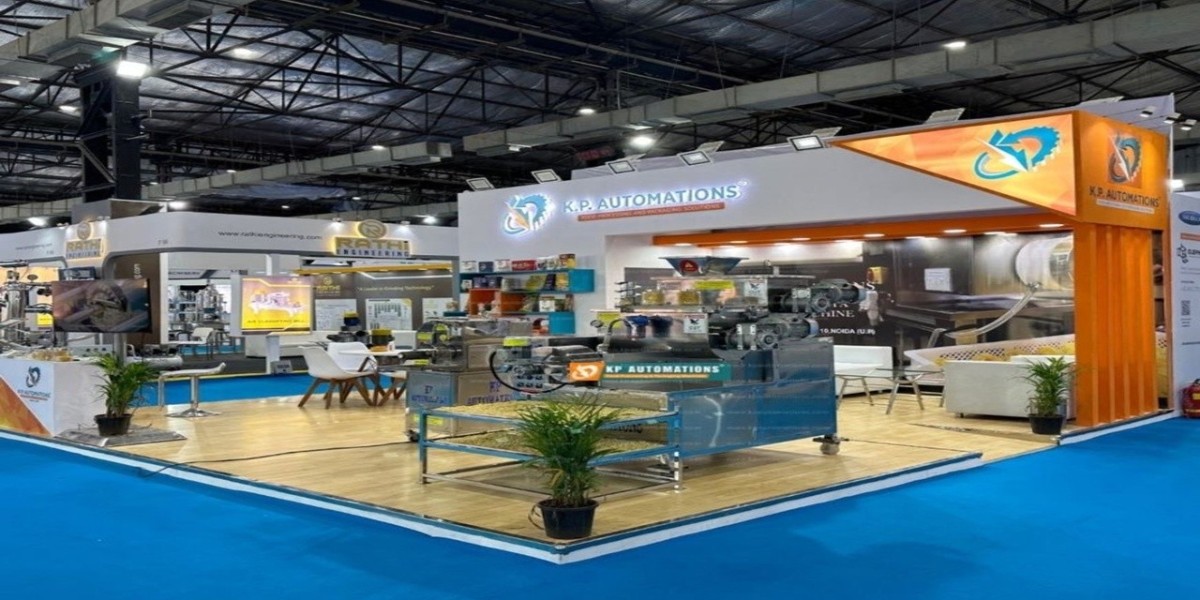

A continuous pasta dryer is a vital part of a modern pasta manufacturing facility where consistent output, controlled processing, and efficient material flow are important. After pasta is formed through extrusion, the product must undergo controlled moisture reduction before it can move toward cooling, packaging, storage, and distribution. A properly designed continuous drying system helps manufacturers maintain a steady production workflow while reducing unnecessary manual handling.
For businesses planning commercial pasta production, the drying system should be selected alongside the main processing equipment. KP AUTOMATIONS provides pasta machinery solutions for manufacturers seeking equipment that can support different production capacities and automation requirements.
What Is a Continuous Pasta Dryer?
A continuous pasta dryer is designed to dry pasta while the product continuously travels through controlled drying zones. Unlike a batch-based approach, continuous drying allows the product to move through the drying process as part of an integrated production line.
The drying environment can be managed according to the requirements of the pasta being manufactured. Factors such as temperature, humidity, airflow, product thickness, pasta shape, and drying duration can influence the final result.
For larger production facilities, continuous operation can make the drying stage more compatible with automated extrusion, conveying, cooling, and packaging systems.
Why Is a Pasta Dryer Important?
Freshly produced pasta contains moisture that must be reduced before the product is ready for subsequent handling. Drying therefore has an important role in the overall production process.
A controlled pasta dryer provides a structured environment for moisture reduction. This is especially important for manufacturers producing large quantities, where inconsistent drying can affect production uniformity and create operational difficulties.
The drying system should be designed around the specific product and production capacity rather than selected only according to its physical size or price.
How a Pasta Continuous Dryer Works
After extrusion and shaping, freshly produced pasta is transferred toward the drying section. Conveying equipment moves the product through controlled drying zones where air circulation and environmental conditions support gradual moisture reduction.
The exact drying parameters depend on the product being manufactured. Different pasta shapes and thicknesses can require different processing conditions.
Once the drying stage is completed, the product can continue toward cooling, handling, and packaging. This continuous movement can help create a more organized production process.
Connecting an Automatic Pasta Machine With Continuous Drying
An automatic pasta machine can provide a consistent flow of freshly produced pasta into the drying system. For this reason, the capacities of both machines should be evaluated together.
If the automatic pasta machine produces more pasta than the dryer can process, the drying section can become a production bottleneck. If the dryer has considerably greater capacity than the extrusion section, the manufacturer may invest in unused capacity.
Matching the two stages allows manufacturers to create a better-balanced production line.
Advantages of an Automatic Pasta Machine
An automatic pasta machine can simplify repetitive processing activities and reduce dependence on manual intervention. Depending on the configuration, automation can support dough preparation, extrusion, shaping, and cutting.
Consistent processing is valuable for manufacturers serving commercial markets because product uniformity can influence customer expectations and production efficiency.
Automation can also make it easier to integrate the main production machine with downstream drying, cooling, conveying, and packaging systems.
Automatic Pasta Dryer for Better Process Control
An automatic pasta dryer can provide greater control over the drying stage by reducing the amount of manual adjustment required during operation.
Automated controls can help operators monitor the drying environment and maintain the selected processing conditions. This can be particularly useful for facilities operating continuously or across multiple shifts.
However, automation should be selected according to the manufacturer's actual requirements. Production volume, pasta varieties, workforce, factory layout, and expansion plans should all be considered.
Factors Affecting Pasta Making Machine Price
Pasta making machine price can vary depending on the specifications and configuration selected by the manufacturer.
Production capacity is one of the main factors, but the overall investment can also be influenced by automation level, construction, extrusion requirements, pasta shapes, control systems, drying integration, conveying equipment, and packaging requirements.
A standalone machine will naturally have a different cost structure from a complete production system containing automated extrusion, continuous drying, cooling, and packaging.
Manufacturers should therefore compare complete technical specifications rather than selecting equipment only on the basis of its quoted purchase price.
Choosing the Right Drying Capacity
Before purchasing a pasta dryer, manufacturers should determine their expected production output. The dryer needs to accommodate the amount of pasta generated by the upstream processing equipment.
Businesses should also consider the types of pasta they plan to manufacture. Different shapes, dimensions, and formulations may have different drying requirements.
Factory space is another important consideration. A continuous drying system should be incorporated into the overall plant layout along with extrusion, conveying, cooling, packaging, storage, and utility requirements.
Pasta Continuous Dryer and Industrial Efficiency
Continuous drying can be particularly valuable for industrial manufacturers because it allows the product to move through the drying stage without repeated manual transfers.
A well-planned system can help maintain a predictable production flow. This can make it easier to coordinate the drying stage with upstream and downstream equipment.
For manufacturers looking to increase production, continuous processing can provide a practical foundation for developing a more automated manufacturing environment.
Maintenance and Equipment Reliability
Regular maintenance remains essential even when pasta machinery is automated. Drying equipment contains components that operate continuously and therefore require routine inspection.
Conveyors, airflow components, sensors, controls, and other mechanical elements should be checked according to operating requirements.
Manufacturers should also consider access to pasta machine parts when selecting equipment. Having appropriate replacement components available can help reduce downtime when maintenance or repairs are required.
Integrating Drying With Packaging
Once the pasta has completed the drying process, it generally moves toward cooling and packaging. A production line should therefore be planned so that these stages have compatible capacities.
An automatic packaging system can reduce manual handling after drying and help create a smoother transition from processed pasta to finished packaged products.
When extrusion, continuous drying, cooling, conveying, and packaging are properly coordinated, manufacturers can achieve a more streamlined production workflow.
Why Choose KP AUTOMATIONS?
KP AUTOMATIONS provides pasta machinery solutions for commercial and industrial manufacturers. Its equipment can be considered according to production capacity, automation requirements, pasta varieties, drying needs, and factory conditions.
For manufacturers establishing a new pasta production facility, it is important to evaluate the entire process rather than selecting individual machines without considering how they will operate together.
KP AUTOMATIONS can be contacted to discuss production requirements and identify suitable equipment configurations.
Company Information
KP AUTOMATIONS
G.B D-372, D Block, Sector 10, Noida, Uttar Pradesh – 201301
Phone: +91-9310738142
Email: kpautomations372@gmail.com
Website: pastamachines.in
Planning a Scalable Pasta Production Facility
A scalable pasta production facility begins with accurate capacity planning. Manufacturers should determine expected output, pasta varieties, operating shifts, factory space, automation requirements, and future growth objectives.
The automatic pasta machine, pasta dryer, conveyors, cooling equipment, and packaging machinery should then be selected with compatible capacities.
This approach can help businesses avoid production bottlenecks while making their machinery investment more practical for long-term operation.
Long-Term Value of Automated Drying
The value of a pasta continuous dryer extends beyond the initial purchase price. Manufacturers should also consider productivity, process consistency, labor requirements, maintenance, energy consumption, and future expansion.
A properly integrated drying system can support a more predictable production workflow and reduce unnecessary manual handling.
Businesses should therefore evaluate equipment according to its overall operational value rather than focusing exclusively on its initial cost.
Conclusion
A pasta continuous dryer is an important component of an efficient commercial and industrial pasta production system. By allowing pasta to move continuously through controlled drying conditions, it can support consistent moisture reduction and a smoother transition toward cooling and packaging.
When combined with an automatic pasta machine and automatic pasta dryer technology, continuous drying can contribute to a more organized and scalable manufacturing operation. Manufacturers evaluating pasta making machine price should consider the complete system, including production capacity, drying requirements, automation, conveying, packaging, and maintenance.
KP AUTOMATIONS provides pasta machinery solutions for businesses planning new facilities or upgrading existing production operations. Contact KP AUTOMATIONS to discuss your production requirements and find a suitable machinery configuration.
FAQs
What is a continuous pasta dryer?
A continuous pasta dryer is a drying system that continuously moves freshly produced pasta through controlled drying conditions to reduce moisture before further processing.
What are the benefits of a pasta dryer?
A pasta dryer helps control moisture reduction and can support consistent processing before cooling, packaging, storage, and distribution.
Can an automatic pasta machine be connected to a continuous dryer?
Yes. An automatic pasta machine can be integrated with a continuous drying system when both machines are appropriately matched for production capacity and product requirements.
What affects pasta making machine price?
Pasta making machine price can depend on production capacity, automation, machine configuration, construction, product requirements, drying integration, and additional production equipment.
What is an automatic pasta dryer used for?
An automatic pasta dryer is used to control the drying process while reducing the need for continuous manual adjustments.
How should manufacturers select a continuous pasta dryer?
Manufacturers should consider production capacity, pasta varieties, drying requirements, factory layout, operating schedule, automation, maintenance, and future expansion.