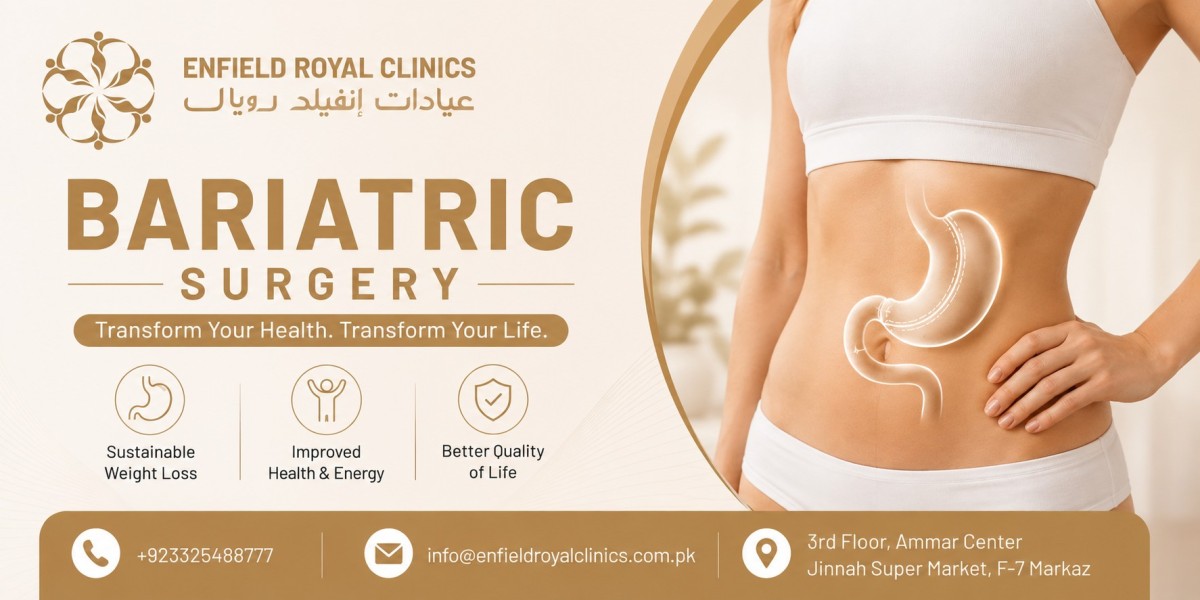

Living with obesity can affect daily comfort, mobility, confidence, and overall health. For some people, lifestyle changes and medical weight-management treatments may not provide enough long-term results. In these situations, Bariatric Surgery may be considered as part of a comprehensive approach to treating obesity.
However, bariatric surgery is not suitable for everyone. It is a major medical decision that requires careful assessment of your weight, health conditions, previous weight-loss efforts, and readiness for long-term lifestyle changes. Understanding these factors can help you decide whether it is worth discussing surgery with a qualified specialist.
What Is Bariatric Surgery?
Bariatric Surgery includes several procedures designed to help people with obesity achieve significant and sustained weight loss.
Common procedures include gastric sleeve and gastric bypass. Gastric sleeve surgery reduces the size of the stomach, while gastric bypass creates a smaller stomach pouch and changes part of the digestive pathway.
These procedures can reduce food intake and, depending on the operation, influence appetite and metabolic processes.
The goal is not simply to reduce weight quickly. Bariatric surgery is intended to support long-term improvements in weight and health when other appropriate approaches have not been sufficient.
Do You Have Significant Obesity?
One of the first considerations is the severity of obesity. BMI is commonly used as a screening measurement when evaluating eligibility.
Traditional criteria have often considered bariatric surgery for people with a BMI of 40 or higher, or for people with a BMI of 35 or higher who have significant obesity-related health conditions.
Current clinical recommendations may also consider surgery for selected patients with lower BMI levels, particularly when obesity-related medical problems are present.
Because criteria can vary, your BMI should be evaluated alongside your overall health.
Do You Have Obesity-Related Health Conditions?
Your health may be an important factor when deciding whether Bariatric Surgery is appropriate.
Obesity can be associated with conditions such as:
- Type 2 diabetes
- High blood pressure
- Sleep apnea
- Fatty liver disease
- Joint problems
- Cardiovascular risk factors
- Other metabolic conditions
For eligible patients, significant weight loss may help improve the management of some of these problems.
A medical evaluation can determine whether surgery could potentially provide meaningful health benefits in your particular situation.
Have Other Weight-Loss Methods Been Successful?
Before considering surgery, many patients have already tried different approaches to weight management.
These may include:
- Structured diets
- Exercise programs
- Calorie management
- Behavioral changes
- Medical weight-loss treatments
- Supervised lifestyle programs
If these approaches have not resulted in sufficient or sustainable weight loss, bariatric surgery may be discussed.
However, previous attempts do not mean that surgery is automatically required. A healthcare professional can help determine which treatment approach is most appropriate.
Are You Prepared for Lifestyle Changes?
Being ready for long-term lifestyle changes is one of the most important considerations.
After Bariatric Surgery, your relationship with food will change. Portions are generally smaller, meals need to be carefully selected, and eating too quickly may cause discomfort.
Patients may also need to take recommended vitamins and minerals and attend regular follow-up appointments.
Surgery can provide an important tool for weight management, but it does not eliminate the need for healthy habits.
Are You Medically Fit for Surgery?
Because bariatric surgery is a major operation, your general health needs to be evaluated.
Your healthcare team may review:
- Medical history
- Current medications
- Previous operations
- Heart and lung health
- Blood tests
- Nutritional status
- Existing medical conditions
Some health problems may need to be treated or stabilized before surgery.
The purpose of this assessment is to identify potential risks and determine whether the expected benefits justify proceeding.
Are You Mentally Prepared?
Emotional and psychological readiness can also be important.
Weight-loss surgery involves significant changes to eating habits, body weight, daily routines, and sometimes social situations. Patients should understand these changes and have realistic expectations about the process.
Some bariatric programs include behavioral or psychological assessments before surgery. These evaluations can help identify areas where additional support may be beneficial.
Being prepared does not mean that you need to have a perfect relationship with food or lifestyle. It means understanding the commitment involved and being willing to seek support when needed.
Which Bariatric Procedure Might Be Right for You?
There is no single procedure that is best for every patient.
Gastric sleeve and gastric bypass have different mechanisms and may be recommended based on individual factors.
For example, your health conditions, eating patterns, BMI, previous abdominal surgery, and weight-loss goals may influence the recommended procedure.
A bariatric specialist can explain the advantages, limitations, risks, and expected recovery associated with each option.
What Are the Potential Benefits?
For appropriate candidates, Bariatric Surgery can provide significant weight loss and may improve several obesity-related health conditions.
Potential benefits may include:
- Improved blood sugar control
- Better blood pressure management
- Reduced sleep apnea symptoms
- Improved mobility
- Less stress on weight-bearing joints
- Greater ability to participate in physical activity
- Improvements in quality of life
The results vary between individuals, and surgery cannot guarantee a particular amount of weight loss or improvement in a specific condition.
What Are the Possible Risks?
Bariatric surgery also has potential risks. These can include bleeding, infection, blood clots, reactions to anesthesia, digestive problems, nutritional deficiencies, and procedure-specific complications.
Some risks occur shortly after surgery, while others may develop later.
Understanding both the benefits and risks is essential before making a decision. Your surgeon should explain the complications associated with the specific procedure being considered.
Can Weight Return After Surgery?
Yes, some weight regain can occur following Bariatric Surgery.
Surgery provides physical and metabolic changes that support weight management, but long-term results are influenced by eating habits, activity, medical conditions, and follow-up care.
Maintaining healthy habits and staying connected with your healthcare team can help you manage changes in weight over time.
Weight regain should not automatically be considered a treatment failure. If it occurs, professional support can help identify possible causes and appropriate next steps.
What Should You Ask Your Bariatric Specialist?
Before making a decision, consider asking questions such as:
- Which procedure is suitable for me?
- What amount of weight loss is realistic?
- What are the potential risks?
- How long will recovery take?
- What will I eat after surgery?
- Will I need nutritional supplements?
- How often will I need follow-up appointments?
- What lifestyle changes will I need to maintain?
Clear answers can help you make an informed decision.
Final Thoughts
So, is Bariatric Surgery right for you? There is no simple yes-or-no answer based only on weight or BMI. Your overall health, obesity-related conditions, previous weight-loss efforts, medical fitness, and readiness for long-term changes all matter.
For some people, bariatric surgery can be a valuable tool for achieving significant weight loss and improving obesity-related health problems. For others, medication, lifestyle treatment, or other approaches may be more appropriate.
The best way to determine whether surgery is suitable is to have a personalized assessment with a qualified bariatric specialist. They can review your circumstances, explain your options, and help you understand the potential benefits and risks before you make a decision.
For more information visit Enfield royal clinic in islamabad