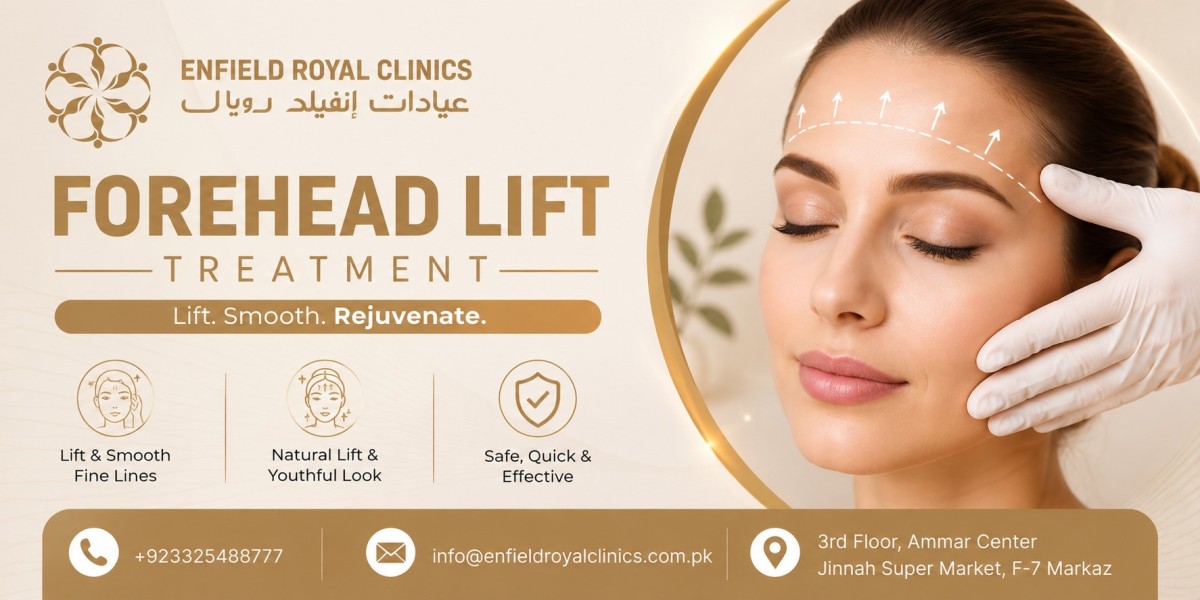

Hooded brows can make the upper part of the face appear heavy, tired, or less defined. For some people, this appearance is naturally present because of their facial structure, while for others, it develops gradually as the skin and tissues lose firmness with age.
When brow descent contributes to a hooded appearance, Forehead Lift Treatment may help improve the position of the eyebrows and create a more open-looking upper face. However, the treatment is not suitable for every type of hooding. Understanding what causes the hooded appearance is important before deciding on a procedure.
What Are Hooded Brows?
Hooded brows generally refer to an eyebrow and upper-eye appearance where tissue above the eyelid creates a heavier or more covered look. This can happen because of naturally positioned brows, excess skin, reduced tissue support, or age-related changes.
Some people have hooded eyes from a young age, while others notice the change later in life.
Common features may include:
- Low or downward-positioned eyebrows
- Heavy skin above the upper eyelids
- A tired-looking eye area
- Reduced visible eyelid space
- Forehead or brow skin that appears loose
Because several factors can create a hooded appearance, the appropriate treatment varies from person to person.
Can Forehead Lift Treatment Improve Hooded Brows?
Yes, in selected cases, Forehead Lift Treatment can improve a hooded brow appearance when brow descent is a major contributing factor.
The procedure works by repositioning tissues around the forehead and eyebrows. Raising the brows can reduce some of the heaviness above the eyes and create a more open appearance.
However, a forehead lift does not directly remove all excess eyelid skin. If hooding is primarily caused by excess upper-eyelid skin rather than a low eyebrow position, another procedure may be more appropriate.
How Does a Forehead Lift Change the Brow Area?
During a forehead lift, the surgeon carefully accesses the tissues beneath the forehead skin. Depending on the technique, tissues can be released, repositioned, and secured at an improved height.
The eyebrows are then positioned according to the patient's facial proportions and treatment goals.
The aim is not simply to raise the eyebrows as high as possible. Excessive elevation can create an unnatural or surprised appearance. Instead, the surgeon generally seeks a balanced position that works with the patient's existing features.
What Causes Hooded Brows to Develop?
A hooded appearance can result from several different factors.
Natural Facial Structure
Some individuals naturally have lower eyebrows or more prominent tissue around the upper eyelid area. In these cases, the appearance may exist without significant aging.
Aging
With age, collagen and skin elasticity decrease. The supporting tissues can become less firm, causing the eyebrows to descend and the upper face to appear heavier.
Genetics
Genetic factors can influence forehead shape, brow position, eyelid structure, and skin characteristics. These features can affect how hooding appears.
Skin Laxity
Loose forehead or upper-eyelid skin can contribute to a heavier appearance. The appropriate treatment depends on where the excess tissue is located.
Can It Open Up the Eye Area?
When low eyebrows contribute to upper-face heaviness, Forehead Lift Treatment may create a more open-looking eye area.
Raising the brows can increase the visible space between the eyebrows and upper eyelids. This may make the eyes appear more refreshed without directly changing the shape of the eyes.
The degree of improvement depends on the original brow position, skin laxity, facial anatomy, and surgical technique.
Is a Forehead Lift the Same as Eyelid Surgery?
No. A forehead lift and upper eyelid surgery address different areas.
A forehead lift primarily focuses on the forehead and eyebrow position. Upper eyelid surgery, also called blepharoplasty, focuses on excess skin and tissue around the eyelid itself.
Some people may benefit from one procedure, while others may require a combination approach. A professional examination can determine which area is primarily responsible for the hooded appearance.
Who May Benefit From Forehead Lift Treatment?
People whose hooded appearance is mainly caused by low or sagging eyebrows may be potential candidates.
A suitable candidate should generally have realistic expectations and be medically appropriate for elective cosmetic surgery.
During a consultation, the surgeon can examine the forehead, eyebrows, eyelids, hairline, and facial proportions. This helps determine whether a forehead lift can provide meaningful improvement.
What Happens During Recovery?
Following Forehead Lift Treatment, temporary swelling, bruising, tightness, and tenderness may occur. The eyebrow position may initially appear higher than expected because of swelling and early tissue changes.
As healing progresses, the tissues gradually settle and the result becomes more natural.
Recovery time varies between individuals and depends on the surgical technique and extent of correction. Patients should follow their surgeon's specific instructions regarding activity, wound care, and follow-up appointments.
Will the Result Look Natural?
A properly planned forehead lift should aim for a natural and balanced appearance. The surgeon considers facial proportions, eyebrow shape, forehead height, hairline, and individual aesthetic goals when planning the amount of elevation.
The objective is generally to reduce unwanted heaviness without creating an excessively raised or artificial brow.
Because facial anatomy varies considerably, the same amount of lifting is not appropriate for everyone.
Can Non-Surgical Treatments Help Hooded Brows?
Some non-surgical treatments may create a modest temporary brow-lifting effect in selected individuals. For example, carefully placed botulinum toxin can alter muscle activity and sometimes produce subtle brow elevation.
However, non-surgical treatments generally cannot reposition significantly sagging tissues or remove substantial excess skin.
If hooding is mild, a non-surgical option may be worth discussing. More noticeable structural changes may require a surgical approach.
Final Thoughts
Forehead Lift Treatment can improve hooded brows when low or sagging eyebrows are a significant cause of the heavy upper-face appearance. By repositioning tissues and elevating the brow, the procedure can create a more open and refreshed look.
However, hooded brows can have different causes. Some cases are related mainly to the eyebrows, while others involve excess eyelid skin or natural facial anatomy. This distinction is important when selecting treatment.
A consultation with a qualified cosmetic surgeon can help identify the underlying cause of hooding and determine whether a forehead lift, eyelid procedure, non-surgical treatment, or another approach is most suitable.
For more information visit Enfield royal clinic in islamabad