
Microdiscectomy surgery is a minimally invasive procedure used to treat certain types of lower back and leg pain caused by a herniated disc. As surgical techniques continue to improve in 2026, microdiscectomy surgery remains an important option for patients who have persistent symptoms that do not improve with conservative treatments. Understanding how the procedure works, who may benefit from it, and what recovery involves can help patients make informed decisions with their healthcare providers.
What Is Microdiscectomy Surgery?
A microdiscectomy is a spinal procedure designed to remove a small portion of a herniated disc or surrounding tissue that is pressing on a spinal nerve. This pressure can cause symptoms such as sciatica, leg pain, numbness, tingling, or weakness.
Unlike traditional open back surgery, microdiscectomy generally uses a smaller incision and specialized surgical instruments. The surgeon carefully moves muscles and tissues aside to reach the affected area while minimizing disruption to surrounding structures. The primary goal is to relieve pressure on the affected nerve and reduce symptoms.
Why Might a Patient Need Microdiscectomy?
A herniated disc does not always require surgery. Many people improve with conservative treatments such as physical therapy, activity modification, medications, and other non-surgical approaches. However, surgery may be considered when symptoms continue despite appropriate treatment.
Patients may be candidates for microdiscectomy when a herniated disc is causing significant nerve compression and symptoms interfere with daily activities. Persistent leg pain, numbness, or weakness may be signs that further evaluation is needed. In some situations, progressive neurological problems require more urgent medical attention.
A physician typically considers the patient's symptoms, physical examination, medical history, and imaging studies before recommending surgery.
What Happens During the Procedure?
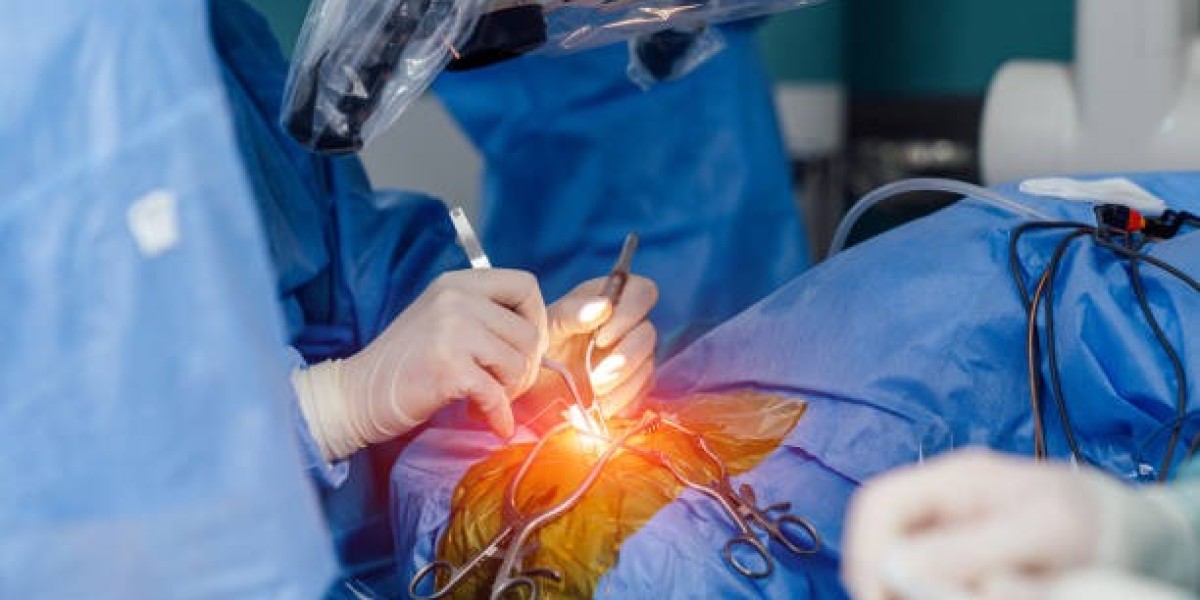
Microdiscectomy is usually performed under general anesthesia. The surgeon makes a small incision in the back near the affected spinal level. Specialized instruments and magnification may be used to identify the compressed nerve and herniated disc material.
The surgeon carefully removes the portion of the disc or tissue responsible for nerve compression. The remaining disc is generally left in place whenever possible. Once the nerve has been decompressed, the incision is closed.
The exact technique varies depending on the location of the herniated disc, the patient's anatomy, and the surgeon's approach.
What Is Recovery Like After Microdiscectomy?
Recovery after microdiscectomy varies from person to person. Some patients experience significant improvement in leg pain relatively quickly, while numbness or weakness may take longer to improve because nerves can require time to recover.
Patients are generally encouraged to walk and gradually increase activity according to their surgeon's instructions. Heavy lifting, excessive bending, and strenuous activities may be restricted during the early recovery period.
Physical therapy may also be recommended to improve strength, flexibility, posture, and body mechanics. Following postoperative instructions carefully can help support recovery and reduce the risk of complications.
What Are the Potential Benefits?
The primary purpose of microdiscectomy is to relieve nerve compression. For appropriately selected patients, the procedure can provide substantial relief from radiating leg pain caused by a herniated disc.
Potential benefits may include improved mobility, reduced leg pain, better ability to perform daily activities, and improved quality of life. However, results vary, and surgery does not guarantee that every symptom will completely disappear.
It is also important to understand that microdiscectomy primarily addresses nerve compression from a specific disc problem. It may not eliminate every source of back pain.
Are There Risks?
Like any surgical procedure, microdiscectomy has potential risks. These can include infection, bleeding, nerve injury, spinal fluid leakage, blood clots, or reactions to anesthesia. There is also a possibility that a disc herniation can recur or that symptoms may persist.
Patients should discuss their individual risks and expected benefits with a qualified spine surgeon before making a treatment decision.
Is Microdiscectomy Right for You in 2026?
Advances in minimally invasive spinal surgery continue to provide surgeons with improved tools and techniques, but surgery is not automatically the best choice for everyone with a herniated disc. The decision should be based on the severity and duration of symptoms, neurological findings, imaging results, previous treatments, and overall health.
If you have persistent sciatica, numbness, weakness, or other symptoms associated with a herniated disc, speak with a qualified healthcare professional for an individualized evaluation.
Final Thoughts
Microdiscectomy surgery continues to be an important treatment option for selected patients with nerve compression caused by a herniated disc. Understanding the procedure, potential benefits, risks, and recovery process can help patients have more productive conversations with their healthcare team. In 2026, the focus remains on careful patient selection, minimally invasive techniques when appropriate, and personalized recovery plans designed to help patients safely return to their daily lives.