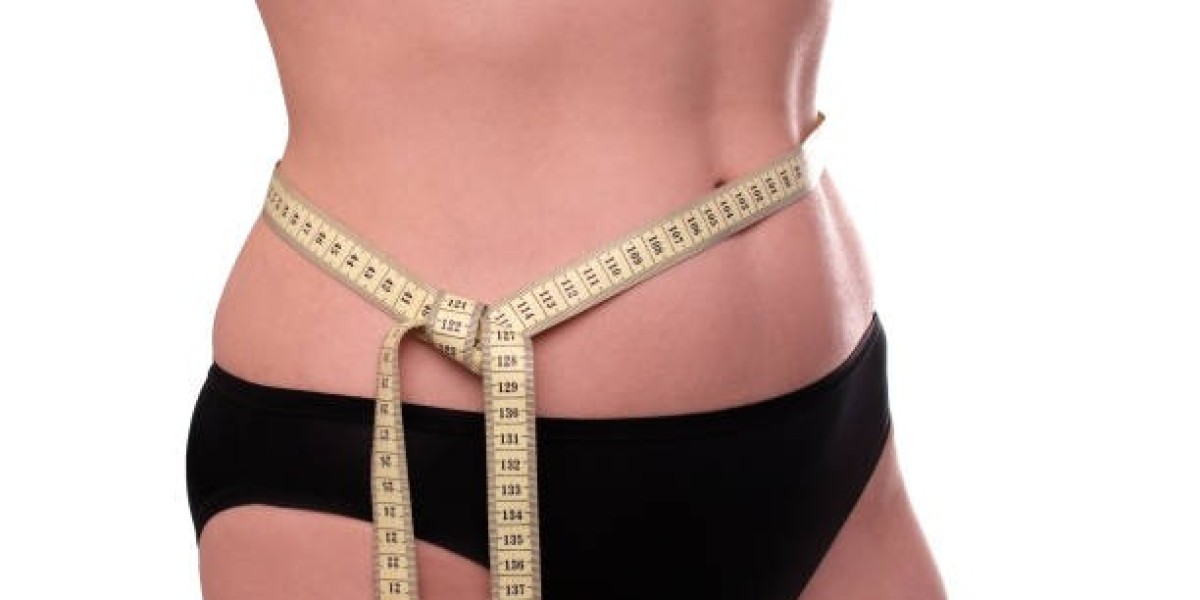

Exercise is an important part of a healthy lifestyle, but returning to physical activity too quickly after body-contouring surgery can place unnecessary stress on healing tissues. After lipo abdominopalasty and Tummy Tuck in Riyadh (عملية شفط البطن وشد البطن في الرياض), the body needs time to recover from abdominal tightening, skin removal, and liposuction. While gentle movement may be encouraged relatively early, strenuous workouts should be postponed until the surgical team confirms that healing has progressed sufficiently. Understanding the different stages of exercise recovery can help patients stay active while protecting their results.
Why Exercise Restrictions Matter
Lipo abdominoplasty affects several layers of tissue, including the abdominal skin, underlying tissues, and areas treated with liposuction. The healing process requires the body to repair these tissues and gradually reduce postoperative swelling. Intense exercise increases physical strain and can make discomfort or swelling more noticeable. Following a gradual activity plan allows the body to adapt without unnecessarily stressing healing areas.
Gentle Movement After Surgery
Light walking is commonly introduced during the early recovery period according to the surgeon's instructions. Short, gentle walks can encourage mobility and help prevent extended periods of inactivity. The goal at this stage is not fitness training but safe movement. Patients should avoid turning early walking into a workout and should stop if they experience significant discomfort or other concerning symptoms.
When Can You Start Light Exercise?
The timing for light exercise varies between patients. Once the initial healing period has progressed and your surgeon confirms that your recovery is going normally, you may gradually increase everyday movement. Activities should remain low intensity at first, with no sudden stretching, heavy resistance, or movements that strongly engage the abdominal muscles.
Pay Attention to Your Body
Mild tightness or fatigue may occur as activity increases, but exercise should not cause significant or progressively worsening pain. If swelling becomes noticeably greater after activity, it may be a sign that you are doing too much. Rest and follow your surgical team's instructions rather than attempting to push through discomfort.
Returning to Cardio Workouts
Cardiovascular exercise such as brisk walking, cycling, or other low-impact activities may eventually be reintroduced as healing progresses. The transition should be gradual rather than an immediate return to your previous workout intensity. Start with manageable sessions and increase duration or intensity only when your body tolerates the activity and your healthcare provider approves the progression.
Avoid High-Impact Activity Initially
Running, jumping, intense aerobic workouts, and similar activities can create repeated movement and strain around the abdomen. These exercises may also increase swelling during the early recovery period. They should generally remain restricted until the surgeon determines that the tissues have healed enough for higher-impact movement.
When Can You Lift Weights?
Weight training requires particular caution because lifting can engage the abdominal muscles even when the exercise appears to target another area. Heavy weights, resistance exercises, and movements that require strong core stabilization should not be resumed without appropriate medical clearance.
Gradually Rebuild Strength
Once resistance training is permitted, restarting with lighter loads and controlled movements can help your body adjust. Avoid immediately returning to your pre-surgery weights or training volume. Exercises should progress according to your recovery rather than your previous fitness level.
When Can You Exercise Your Abdominal Muscles?
Abdominal exercises such as crunches, sit-ups, planks, and intense core workouts place direct demand on the abdominal region. Because a tummy tuck can involve tightening abdominal muscles, these exercises typically require more patience than gentle walking. Your surgeon can determine when your abdominal tissues are sufficiently healed for targeted core training.
Why Core Exercises Need Extra Care
The abdominal wall needs time to recover after surgery. Attempting intense core exercises prematurely can cause discomfort and unnecessary strain. When your surgeon clears you for abdominal training, gradually rebuilding core strength is generally more appropriate than immediately performing advanced exercises.
Exercise After Lipo Abdominoplasty in Riyadh
For patients planning lipo abdominopalasty and Tummy Tuck in Riyadh, discussing exercise expectations before surgery can make postoperative planning easier. Your surgeon can explain how the specific procedure, treatment areas, and individual healing progress may affect your activity restrictions. Keeping follow-up appointments is also important because exercise clearance can change as your recovery develops.
Follow Your Personalized Recovery Plan
There is no universal date when every patient can safely resume every type of exercise. The appropriate timeline can depend on the extent of surgery, healing progress, postoperative symptoms, and the type of activity you want to perform. Your surgeon's recommendations should take priority over general timelines found online or experiences shared by other patients.
Signs You May Be Doing Too Much
Increasing pain, excessive swelling, unusual drainage, wound changes, or significant discomfort during or after exercise should not be ignored. These symptoms can have different causes, so contacting your healthcare provider is important if they occur. Even when recovery is progressing normally, fatigue can indicate that you need more rest between activities.
Make a Gradual Return
A successful return to exercise is usually based on progression rather than speed. Begin with activities approved by your medical team, monitor how your body responds, and increase intensity in stages. This approach can help you regain confidence in movement while respecting the healing process.
Maintaining Your Results Through Exercise
Once your surgeon has cleared you for regular exercise, physical activity can become part of a long-term healthy lifestyle. Maintaining stable habits involving movement, balanced nutrition, and general wellness can support overall body health. Exercise should complement the surgical results rather than being used to accelerate recovery before the tissues are ready.
Book an Appointment With Royal Clinic Saudia
If you are considering lipo abdominopalasty and Tummy Tuck in Riyadh, Royal Clinic Saudia (عيادات رويال كلينك) can provide a consultation to discuss the procedure, recovery stages, exercise restrictions, and the factors that may affect your return to physical activity. A personalized consultation can help you understand what to expect before and after treatment.
FAQs:
When can I start walking after lipo abdominoplasty?
Gentle walking may be introduced early in recovery when recommended by your surgical team. It should remain light and controlled rather than being treated as exercise training.
When can I return to the gym?
Returning to the gym depends on your healing and the type of exercises you plan to perform. Your surgeon should clear you for progressively more demanding activity before you resume your normal routine.
When can I do abdominal exercises after a tummy tuck?
Core exercises generally require additional healing time because they directly engage the abdominal muscles and surrounding tissues. Wait until your surgeon specifically approves them.
What should I do if exercise causes increased swelling?
Stop or reduce the activity and allow your body to rest. If swelling is significant, persistent, or accompanied by worsening pain or other concerning symptoms, contact your healthcare provider for advice.