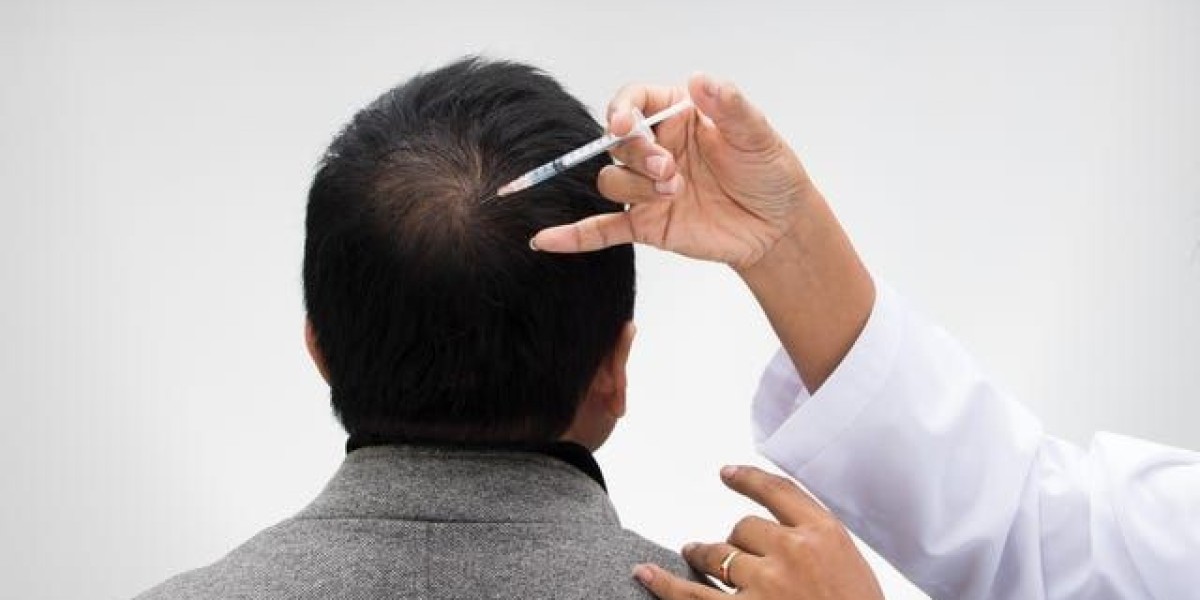

Hair loss and thinning can affect confidence in both men and women. Genetics, hormonal changes, stress, nutritional deficiencies, and certain medical conditions can contribute to excessive shedding or reduced hair density. Among the newer non-surgical approaches for hair restoration, GFC Treatment For Hair In Islamabad has gained attention for using concentrated growth factors derived from the patient's own blood to support weakened hair follicles.
GFC stands for Growth Factor Concentrate. The treatment is designed to deliver growth factors directly into areas of the scalp where hair is thinning. Early clinical evidence suggests that concentrated growth-factor injections may improve hair density and thickness, although results can vary and larger, high-quality studies are still needed.
What Is GFC Treatment for Hair?
GFC is a regenerative hair treatment that uses growth factors obtained from a small sample of the patient's own blood. During processing, growth factors are concentrated and prepared for injection into the scalp.
These growth factors act as biological signals that may support tissue repair and follicular activity. The objective is to create a healthier environment around weakened follicles and encourage existing hair to grow more effectively. Unlike a hair transplant, GFC does not involve removing or surgically implanting hair follicles.
Benefits of GFC Hair Treatment
GFC may offer several potential benefits for people experiencing certain types of hair thinning.
May reduce hair shedding: By supporting weakened follicles, GFC may help reduce ongoing hair fall in suitable patients.
May improve hair density: Research has reported improvements in hair density following concentrated growth-factor treatments. A recent systematic review found progressive increases in hair density over follow-up periods, although the researchers also noted limitations in study quality and treatment standardization.
May improve hair thickness: Existing fine or miniaturized hairs may become stronger and thicker when follicles respond to treatment.
Uses the patient's own blood: Because the growth-factor preparation is autologous, it comes from the patient's own body rather than a donor.
Minimally invasive: GFC involves scalp injections rather than surgical hair implantation, so there is generally little downtime.
Suitable for men and women: Depending on the cause and severity of hair loss, GFC may be considered for both male and female patients.
How Does GFC Treatment Work?
The procedure generally begins with collecting a small amount of blood from the patient. The sample is processed using a specialized system to separate and concentrate the desired growth factors. The resulting concentrate is then prepared for scalp injection.
After preparing the scalp, the clinician uses fine needles to administer the GFC into targeted areas where hair is thinning. The injections are typically distributed across the affected scalp to support the follicles in those areas.
The exact protocol, number of injections, and treatment intervals can vary depending on the patient's condition and the system being used. A published clinical study, for example, evaluated three concentrated-growth-factor injection sessions spaced three to four weeks apart.
Who May Benefit From GFC?
GFC may be considered for people with early or moderate hair thinning, particularly when viable hair follicles are still present. It may be useful as part of a broader hair-loss management plan rather than as a guaranteed standalone cure.
Before treatment, a qualified dermatologist or hair-restoration professional should assess the cause of hair loss. Conditions such as nutritional deficiencies, hormonal problems, scalp disorders, or scarring alopecia may require different treatments.
What Results Can You Expect?
GFC results are not immediate because hair grows through a natural cycle. Some patients may notice reduced shedding or changes in hair texture before visible improvements in density become apparent.
Clinical research has reported improvements in hair density within several months of treatment. One study found significant improvement at three months, with benefits sustained during six months of follow-up. However, that study was small and did not include a control group, so its results should be interpreted cautiously.
A recent systematic review also found promising improvements in hair density and thickness over 12 months but highlighted substantial differences between studies and a high risk of bias.
GFC Treatment Aftercare
Following treatment, patients should carefully follow the provider's instructions. Common recommendations may include avoiding unnecessary scalp irritation immediately after injections and keeping the scalp clean according to professional guidance.
Temporary tenderness, redness, or mild swelling can occur after scalp injections. Patients should contact their healthcare provider if they experience unusual or persistent symptoms.
Is GFC Better Than PRP?
GFC and PRP both use components derived from the patient's blood, but their preparation methods differ. GFC focuses on concentrating growth factors, while PRP uses platelet-rich plasma. GFC is a newer approach, and although emerging research is encouraging, the evidence base is currently less established than that for PRP.
The best option depends on the cause and stage of hair loss, scalp condition, medical history, and treatment goals.
Frequently Asked Questions
Is GFC treatment painful?
Most patients experience some discomfort during scalp injections. A topical or local numbing method may be used to make the procedure more comfortable.
How many GFC sessions are required?
The number of sessions varies according to the patient's hair-loss pattern and treatment plan. Some clinical protocols have used multiple sessions several weeks apart.
When can I see GFC hair treatment results?
Hair growth takes time. Visible changes may become more noticeable over several months rather than immediately after treatment.
Is GFC suitable for severe baldness?
GFC may be more useful when functioning hair follicles are still present. Advanced baldness may require evaluation for other options, including hair transplantation.
Are GFC results permanent?
GFC should not be considered a guaranteed permanent solution. Hair loss can continue because its underlying causes may persist, and maintenance or additional treatments may sometimes be recommended.
Final Thoughts
GFC is an emerging non-surgical approach that aims to support weakened hair follicles using concentrated growth factors obtained from the patient's own blood. It may help improve hair density, thickness, and follicular health in appropriately selected patients, but expectations should remain realistic because research is still developing.
For people considering GFC Treatment For Hair In Islamabad , a professional assessment is important to identify the underlying cause of hair loss and determine whether GFC is appropriate. A personalized treatment plan can help set realistic expectations and improve the chances of achieving natural-looking hair improvement.